Sri Lanka's Garment Sector Faces Serious Threat Under EU Trade Scheme, Industry Body Cautions
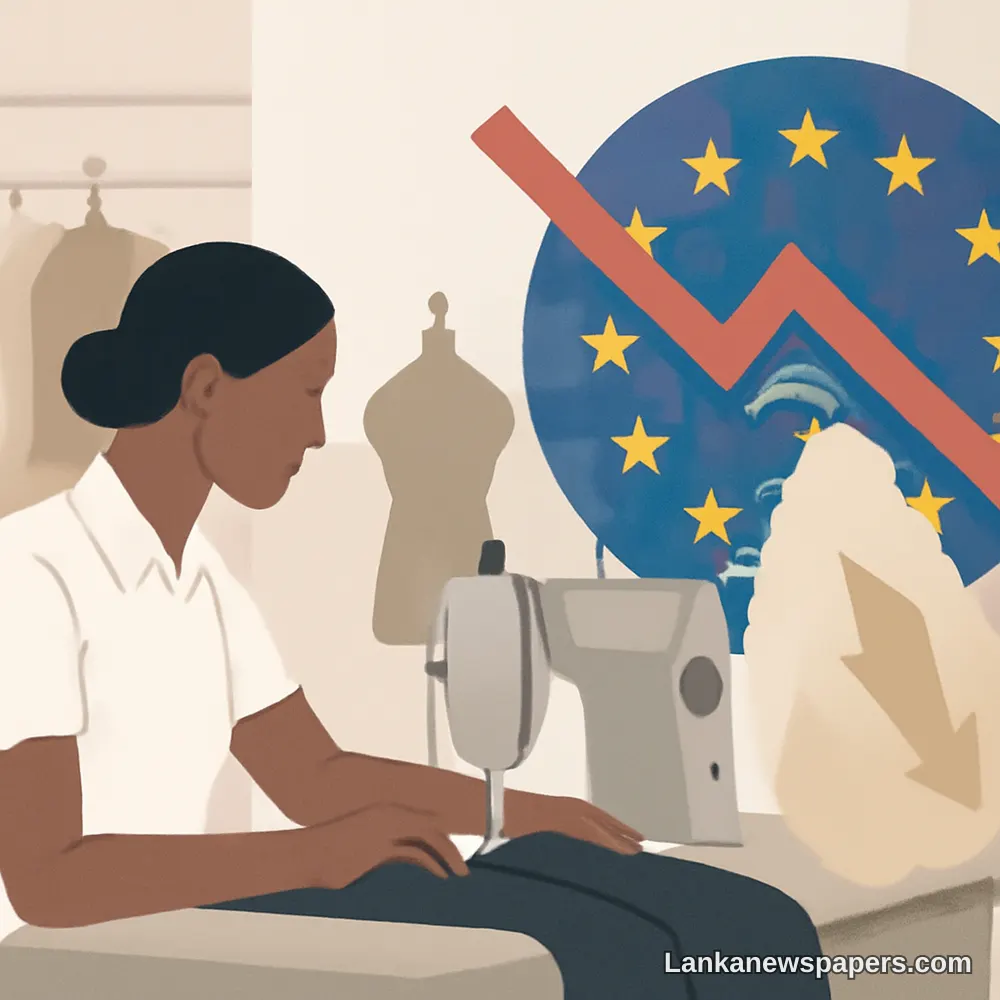
Sri Lanka's vital apparel industry is facing significant risks under the European Union's Generalised Scheme of Preferences Plus (GSP+) trade arrangement, the Joint Apparel Association Forum (JAAF) has warned, raising fresh concerns about the country's export competitiveness at a critical economic juncture.
A Lifeline Under Pressure
The GSP+ scheme has long served as a cornerstone of Sri Lanka's apparel export strategy, granting the island nation preferential tariff access to European markets in exchange for commitments to uphold international conventions on human rights, labour standards, and environmental governance. The garment sector, which remains one of Sri Lanka's largest foreign exchange earners and employers, depends heavily on this arrangement to maintain its competitive edge against rival manufacturing nations.
However, JAAF has sounded the alarm that the industry's position under the scheme is increasingly precarious, urging stakeholders and policymakers to take the matter seriously before irreversible damage is done to one of the economy's most critical pillars.
What Is at Stake
Sri Lanka's apparel industry supports hundreds of thousands of jobs, the majority of which are held by women, particularly in rural and semi-urban communities. Any disruption to GSP+ benefits could trigger a sharp decline in export volumes to Europe, undermine factory viability, and ultimately threaten livelihoods across the supply chain.
- The EU is one of Sri Lanka's largest export destinations for garments
- GSP+ status allows Sri Lankan exporters to benefit from reduced or zero tariffs on a wide range of products
- Loss or suspension of the scheme would place Sri Lankan exporters at a disadvantage compared to competitor countries that retain preferential access
Industry Calls for Urgent Action
JAAF's warning comes at a time when Sri Lanka is still navigating its path to economic recovery following the severe financial crisis of recent years. The apparel sector has been one of the more resilient segments of the economy, but industry leaders stress that this resilience cannot be taken for granted.
The risks associated with Sri Lanka's standing under GSP+ must not be underestimated — the consequences for workers, factories, and the broader economy could be profound if swift and decisive action is not taken.
The forum has called on the government to engage proactively with EU authorities, ensure full compliance with the conventions underpinning the scheme, and demonstrate tangible progress on areas that may be under scrutiny by Brussels.
Broader Economic Implications
For a country still working to stabilise its public finances and restore investor confidence, protecting the GSP+ status is not merely a trade policy issue — it is an economic imperative. Policymakers in Colombo will need to act with urgency to safeguard a sector that continues to anchor Sri Lanka's export economy and provide stable employment for a significant portion of its workforce.
JAAF has indicated it will continue to engage with both government ministries and international partners to navigate the challenges ahead and secure the long-term future of the industry.


💬 Join the Discussion 4
See what readers are saying — and add your view.
JAAF been warning about this for years, ppl just dont listen
what exactly is EU asking us to change? article doesnt say clearly
goverment sleeping as usual, garment workers will suffer in the end
exactly, 350,000 jobs at risk and nobody is doing anything