Shadow War on the Press: The Military Intelligence Cell That Allegedly Targeted Sri Lanka's Journalists
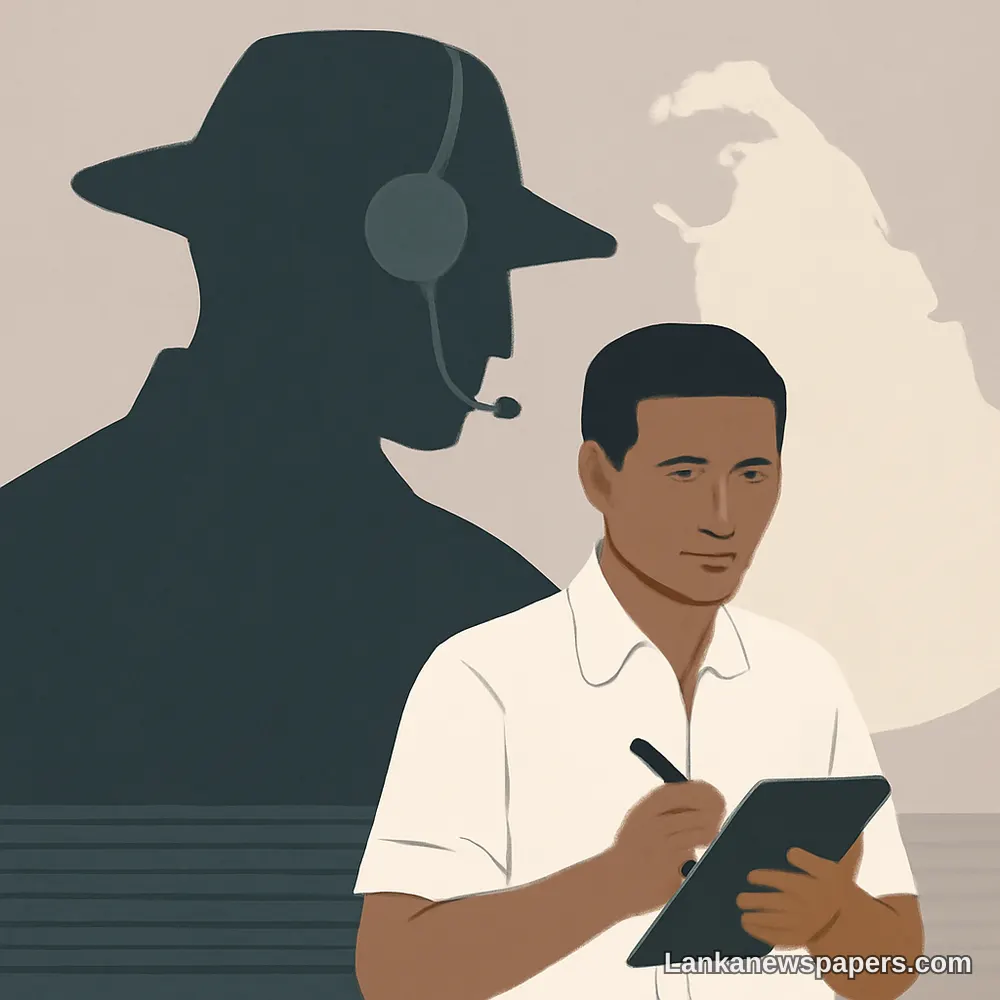
For years, a shadowy military intelligence unit allegedly operated in the dark corners of Sri Lanka's security establishment, systematically targeting journalists, editors, and media organisations that dared to challenge those in power. Despite mounting evidence and widespread international concern, not a single individual has been brought to justice — a failure that continues to cast a long shadow over press freedom in the island nation.
A Covert Campaign Against the Media
According to investigations and testimonies gathered over several years, a clandestine cell embedded within Sri Lanka's military intelligence apparatus allegedly waged a deliberate and coordinated campaign against the free press. The unit is said to have monitored, harassed, and in some cases facilitated violence against journalists who were seen as threats to the political and military establishment, particularly during and in the aftermath of the country's prolonged civil war.
Reporters covering sensitive topics — including alleged human rights abuses, wartime atrocities, and political corruption — are believed to have been among the primary targets. The methods reportedly employed ranged from surveillance and intimidation to enforced disappearances and outright killings.
High-Profile Cases That Shocked the Nation
Several prominent media figures paid an irreversible price for their journalism. The murders and disappearances of a number of Sri Lankan journalists during the peak years of this alleged campaign drew fierce condemnation from international press freedom organisations. In many instances, the attacks bore the hallmarks of coordinated, state-linked operations rather than random acts of violence.
Families of slain and missing journalists have spent years demanding answers, navigating a legal and political system that critics argue has been deliberately slow to pursue accountability. Their pleas have largely gone unanswered at the highest levels of government.
Accountability Remains Elusive
Despite successive governments pledging investigations and justice, the prosecutorial record remains deeply troubling. No senior military or intelligence official has been convicted in connection with the alleged campaign against the press. Cases have stalled in courts, witnesses have reported intimidation, and key evidence has reportedly gone missing or been withheld.
Press freedom advocates argue that this culture of impunity is not accidental — it is structural. When those responsible for investigating such crimes belong to the same institutions accused of perpetrating them, meaningful accountability becomes nearly impossible to achieve.
The silence from those in authority is itself a message — that the targeting of journalists carries no consequences, and that the state will protect its own before it protects the truth.
International Pressure and Domestic Indifference
Organisations including Reporters Without Borders, the Committee to Protect Journalists, and various United Nations bodies have repeatedly raised alarm over Sri Lanka's record on journalist safety and press freedom. Sri Lanka has consistently ranked poorly in global press freedom indices, with the alleged activities of military intelligence units cited as a key contributing factor.
Despite this external pressure, domestic political will to pursue justice has remained weak. Successive administrations have either actively shielded accused individuals or allowed investigations to wither through bureaucratic neglect.
What It Means for Sri Lanka's Democracy
The failure to hold any individual accountable for the alleged war on Sri Lanka's free press carries consequences that extend far beyond the journalism community. A media landscape shaped by fear and impunity ultimately impoverishes public discourse, weakens democratic institutions, and leaves citizens without the independent information they need to hold power to account.
For Sri Lanka, a country working to rebuild its democratic credibility after decades of conflict and political turbulence, the unresolved fate of its silenced journalists remains an open wound — one that no government has yet shown the courage to properly address.

💬 Join the Discussion 2
See what readers are saying — and add your view.
this is old news no. everyone knows military was doing this for years
then why nobody arrested machan? thats the real question