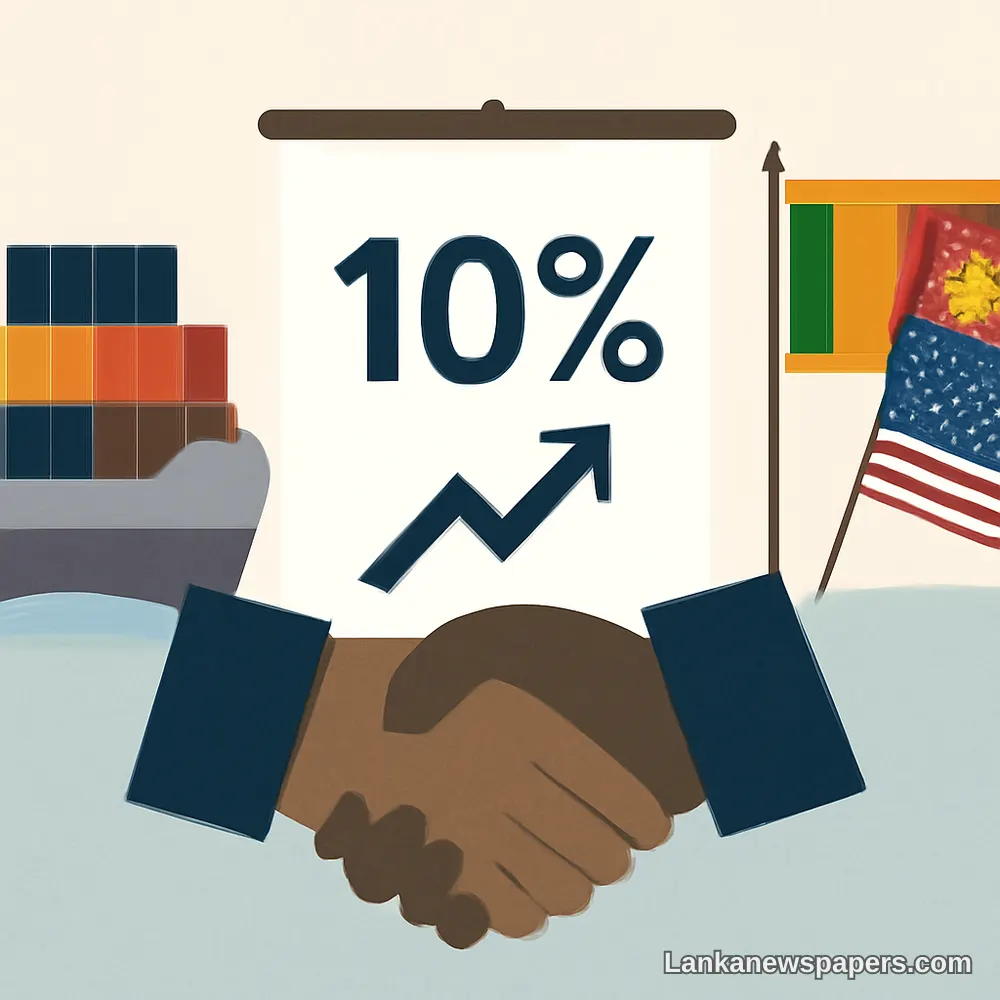
Sri Lanka has been assigned a 10% tariff rate by the United States, a development that trade observers are linking to the island nation's progress in addressing forced labour concerns within its export supply chains.
A Significant Trade Milestone
The tariff figure, which positions Sri Lanka more favourably compared to several regional competitors, comes as Washington continues to scrutinise the labour practices of its trading partners. The move signals a degree of confidence from US trade authorities in Sri Lanka's regulatory reforms, particularly its enforcement of import bans tied to forced labour violations.
Forced Labour Ban Bearing Fruit
Sri Lanka's compliance measures around forced labour in its manufacturing and export sectors appear to have played a meaningful role in securing this outcome. The United States has grown increasingly stringent in recent years about ensuring that goods entering American markets are not produced under exploitative labour conditions, making such compliance a critical factor in bilateral trade negotiations.
For Sri Lanka, which relies heavily on garment and textile exports to the US market, maintaining a competitive tariff rate is of considerable economic importance. The apparel sector in particular employs hundreds of thousands of Sri Lankans, and any adverse shift in US trade policy could have had significant consequences for workers and businesses alike.
What This Means for Sri Lanka
The 10% rate is seen as a relative advantage, offering Sri Lankan exporters a degree of cost competitiveness when their products reach American shelves. Industry stakeholders are expected to welcome the development as the country continues its broader economic recovery.
- Sri Lanka's garment and textile industry stands to benefit most directly from the favourable rate.
- The decision reflects positively on the government's efforts to align with international labour standards.
- Trade analysts suggest this could strengthen Sri Lanka's case for deeper engagement with US markets going forward.
Broader Context
The announcement arrives at a critical period for Sri Lanka, which is still navigating its recovery from the severe economic crisis of recent years. Securing stable and favourable trade terms with major economies such as the United States is considered a key pillar of the country's path toward long-term economic stabilisation.
Government officials and trade bodies are yet to issue a full formal response, but the development is widely anticipated to be received as a positive step in strengthening Sri Lanka's standing in international commerce.


💬 Join the Discussion 1
See what readers are saying — and add your view.
finally some good news from this goverment, 10% is not bad at all