Sri Lankan Bonds Tumble as Trump's New Tariffs Send Shockwaves Across Asian Emerging Markets
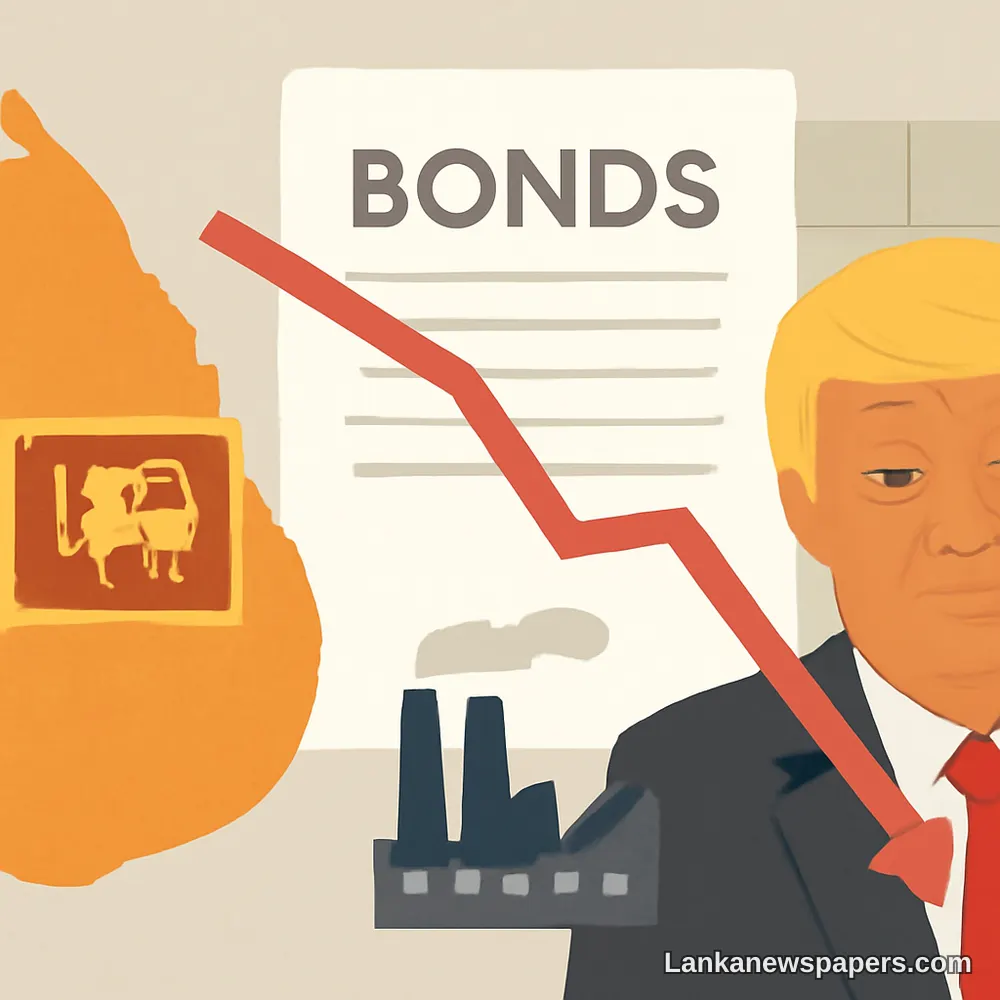
Sri Lanka's sovereign bonds have fallen sharply following the announcement of sweeping new tariffs by United States President Donald Trump, with Pakistan and Indonesia also coming under significant financial pressure as markets across Asia react to the latest escalation in global trade tensions.
Bonds Under Pressure
Sri Lankan bonds slid in value as investors grew increasingly cautious about the outlook for emerging market economies in the wake of Trump's latest tariff measures. The development is a worrying sign for a country that has only recently begun to stabilise its finances following a devastating economic crisis that forced it to default on its foreign debt in 2022.
The new tariffs, which target a broad range of goods and trading partners, have rattled global financial markets and prompted a sell-off in assets linked to developing economies. Sri Lanka, still in the delicate process of rebuilding investor confidence, finds itself particularly vulnerable to such external shocks.
Regional Neighbours Also Hit
Sri Lanka is not alone in feeling the heat. Pakistan, which is itself navigating a fragile economic recovery supported by International Monetary Fund assistance, has also come under pressure as investor sentiment soured. Indonesia, one of Southeast Asia's largest economies, similarly faced headwinds as the tariff announcement triggered concern over export revenues and currency stability.
- Sri Lanka bonds declined following the tariff announcement
- Pakistan faces renewed financial pressure amid its own economic recovery
- Indonesia's markets also came under strain from the global trade uncertainty
What This Means for Sri Lanka
For Sri Lanka, the timing is particularly sensitive. The country is working to maintain momentum in its debt restructuring process and restore access to international capital markets. Any sustained rise in borrowing costs or decline in bond prices could complicate those efforts and make external financing more expensive.
Emerging markets with weaker fiscal positions are typically the first to feel the impact when global risk appetite retreats, and Sri Lanka remains in a vulnerable position despite recent progress.
Economists and market analysts will be closely watching how the government and the Central Bank of Sri Lanka respond to the external pressure, particularly in terms of managing the exchange rate and maintaining macroeconomic stability in the months ahead.
The developments serve as a reminder of how deeply interconnected Sri Lanka's economic recovery is with global market conditions, and how decisions made in Washington can send immediate ripples through financial markets in Colombo and beyond.



💬 Join the Discussion 4
See what readers are saying — and add your view.
goverment better have a plan, cant keep depending on IMF every time
what does bonds tumbling mean for normal ppl like us? genuine question
again we suffer because of America's problems. so tired of this.
exactly, we just recovered and now this again.