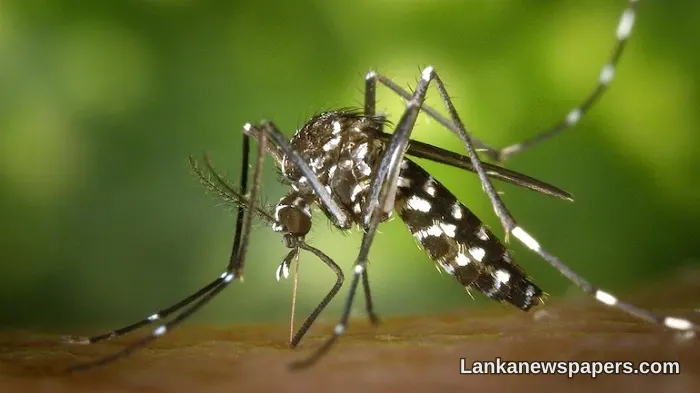
Island-wide dengue surge raises urgent public health concerns
Sri Lanka is grappling with a significant dengue outbreak this year, with official surveillance figures confirming that the number of reported infections has crossed the 80,000 threshold, reaching 80,114 cases nationwide.
The sharp acceleration in case numbers has alarmed health authorities and public health officials, who are urging communities across the island to take immediate preventive action to curb the further spread of the mosquito-borne disease.
A growing burden on the healthcare system
Dengue fever, transmitted through the bite of the Aedes aegypti mosquito, continues to place considerable strain on Sri Lanka's hospitals and healthcare infrastructure. The disease, which can escalate into life-threatening dengue haemorrhagic fever if left untreated, requires timely medical attention and careful case management.
Health authorities have repeatedly emphasised that stagnant water in and around homes remains the primary breeding ground for the mosquitoes responsible for transmission.
What the public can do
Officials are calling on all Sri Lankans to take proactive steps in eliminating potential mosquito breeding sites. Key preventive measures include:
- Removing or regularly emptying containers that collect rainwater, such as flower pots, tyres, and buckets
- Ensuring water storage tanks and barrels are tightly covered at all times
- Keeping home surroundings clean and free of debris that may trap water
- Seeking immediate medical attention if symptoms such as high fever, severe headache, joint pain, or skin rash develop
A recurring seasonal challenge
Dengue outbreaks have long been a recurring public health challenge in Sri Lanka, typically intensifying during and after the monsoon seasons when rainfall creates abundant breeding conditions for mosquitoes. Western, North Western, and Central provinces have historically reported some of the highest case concentrations.
Health officials stress that dengue is preventable, and that community participation in source reduction efforts remains the single most effective tool in controlling transmission.
With the case count continuing to rise, the Ministry of Health is expected to intensify surveillance operations and public awareness campaigns in the coming weeks, as Sri Lanka works to bring the outbreak under control before the situation deteriorates further.


💬 Join the Discussion 0
Be the first to share your view on this story.