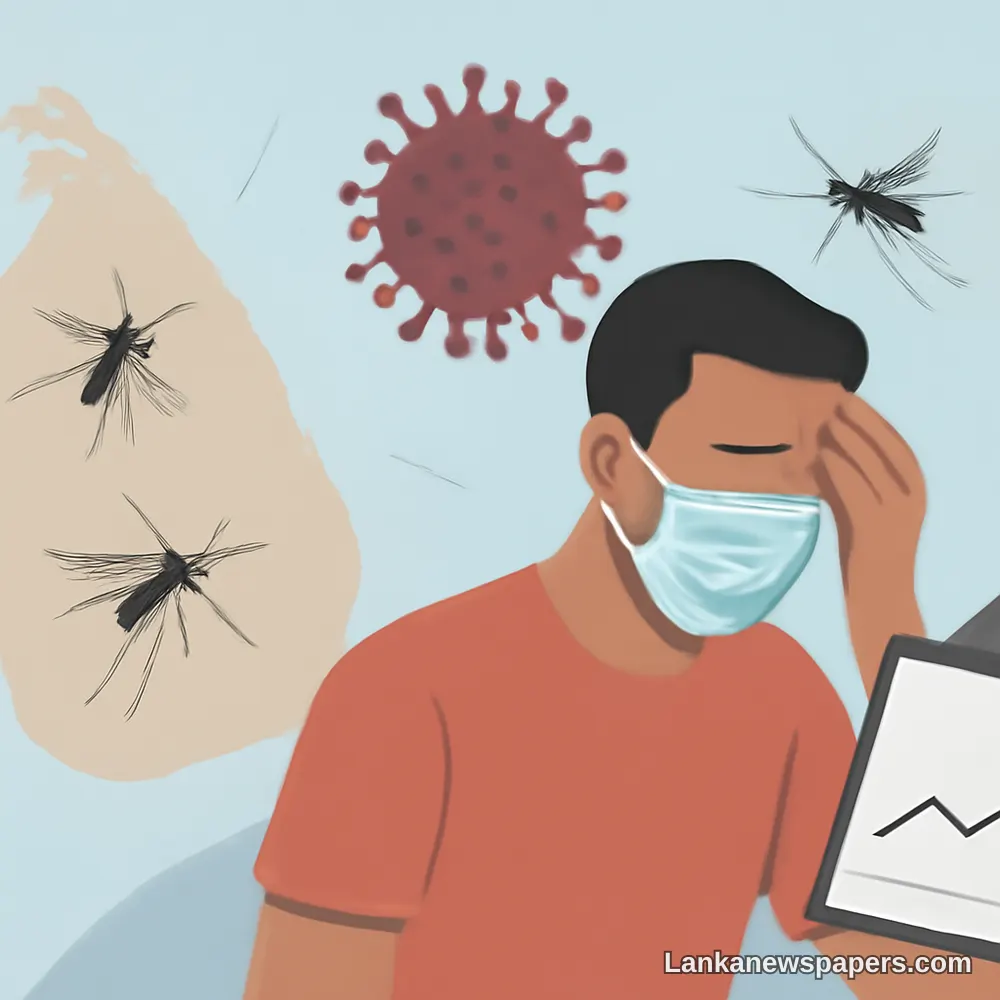
Island-wide outbreak raises serious public health concerns
Sri Lanka is grappling with a worsening dengue outbreak, with the total number of reported cases this year surging past the 80,000 mark — a figure that has alarmed health authorities and underscored the urgent need for nationwide preventive action.
The sharp rise in infections places significant pressure on the country's healthcare system, with hospitals across multiple provinces reporting increased admissions of dengue patients. Medical professionals have urged the public to remain vigilant as the mosquito-borne illness continues to spread at an alarming pace.
A nationwide threat demanding immediate response
Dengue fever, transmitted primarily through the bite of the Aedes aegypti mosquito, thrives in stagnant water and humid conditions — environments that are particularly prevalent during and after Sri Lanka's monsoon seasons. Health experts warn that without coordinated community-level action, case numbers could climb even further in the weeks ahead.
Authorities have called on households, businesses, and local government bodies to take proactive steps in eliminating potential mosquito breeding grounds. Key preventive measures recommended by health officials include:
- Removing stagnant water from containers, tyres, and flower pots around homes and workplaces
- Using mosquito repellents and protective clothing, especially during early morning and late afternoon hours
- Ensuring proper disposal of solid waste that may collect rainwater
- Seeking immediate medical attention upon experiencing symptoms such as high fever, severe headache, and joint pain
Public urged not to underestimate the danger
Health authorities have repeatedly stressed that early diagnosis and timely medical care are critical in preventing dengue from progressing to its more severe and potentially fatal forms.
The outbreak serves as a stark reminder of the persistent challenge dengue poses to Sri Lanka year after year. Despite ongoing public awareness campaigns and vector control efforts by the Ministry of Health, the disease continues to re-emerge with force, particularly in densely populated urban areas and waterlogged rural communities.
Citizens are encouraged to cooperate with local health inspectors and participate actively in community clean-up drives as the country works to bring the outbreak under control before conditions deteriorate further.



💬 Join the Discussion 4
See what readers are saying — and add your view.
is this worse than 2017? that year was really bad also.
our area no fogging at all this year. cant even remember last time they came.
80,000 cases and goverment still doing nothing. every year same story.
exactly, they just talk and do nothing about the drains.