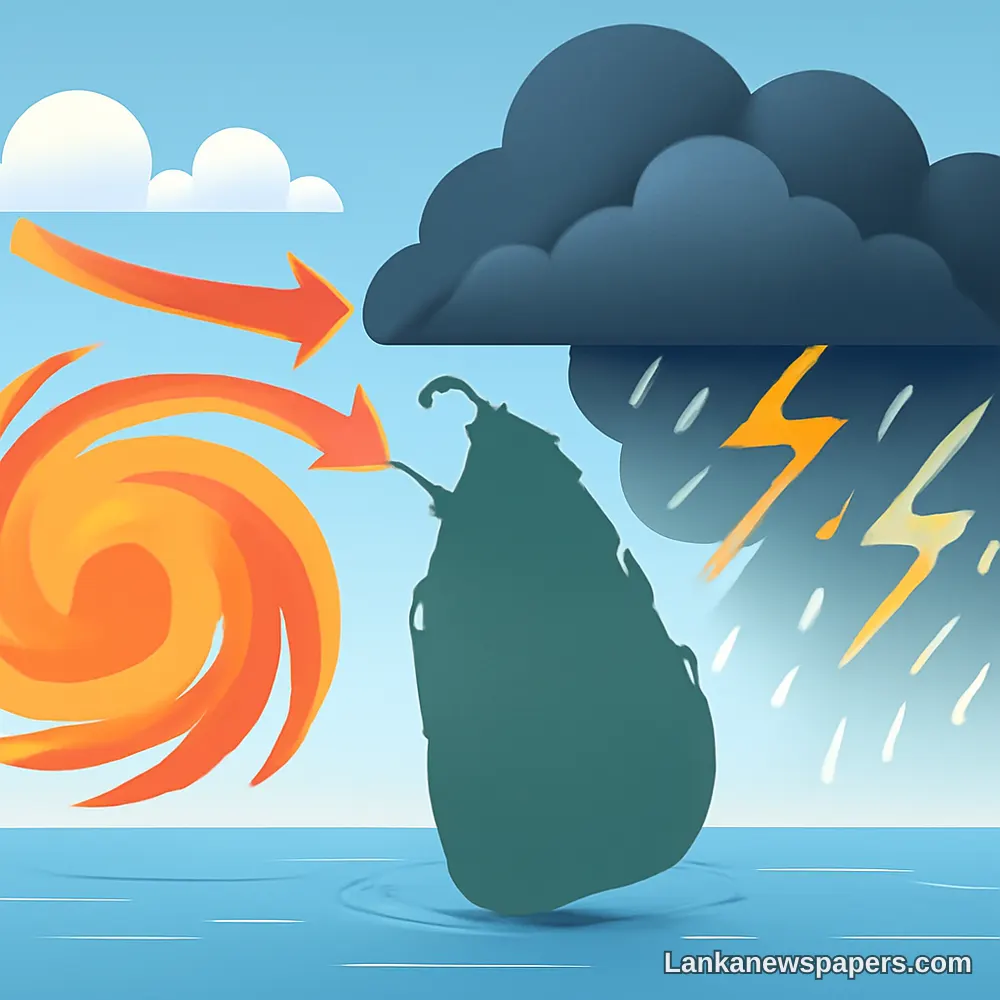
Weather Authorities Raise Concerns Over Strengthening El Niño Pattern
Sri Lanka is bracing for a period of potentially severe weather as the El Niño climate phenomenon continues to intensify, with authorities warning that the island nation could face significant meteorological disruptions in the weeks and months ahead.
What Is El Niño and Why Does It Matter for Sri Lanka?
El Niño is a naturally occurring climate pattern characterised by the unusual warming of surface waters in the central and eastern Pacific Ocean. This warming disrupts normal atmospheric circulation, triggering a cascade of weather anomalies across the globe — including in South Asia, where Sri Lanka sits as a particularly vulnerable nation.
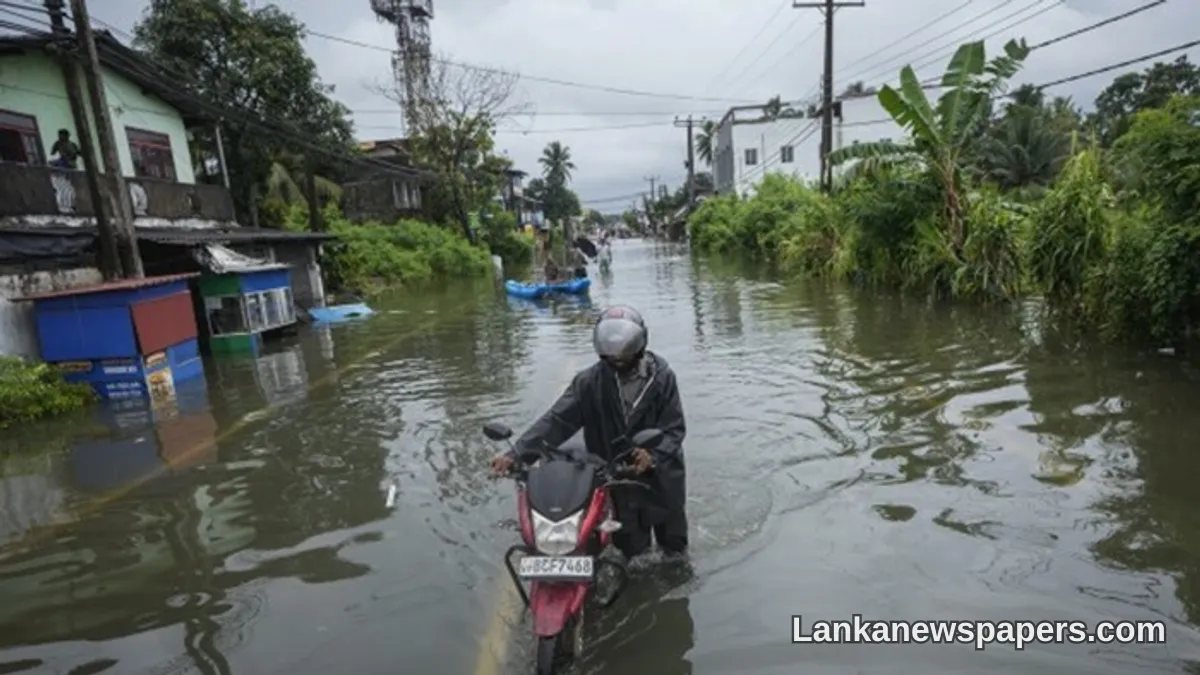
For Sri Lanka, the effects of a strengthening El Niño can be wide-ranging and damaging. The country may experience erratic rainfall patterns, prolonged dry spells in certain regions, and unpredictable bursts of intense precipitation that raise the risk of flash flooding and landslides.
Impact on Agriculture and Daily Life
The agricultural sector, which remains a vital pillar of Sri Lanka's rural economy, faces heightened risk during El Niño episodes. Farmers dependent on seasonal monsoon rains for paddy cultivation and other crops could see harvests severely affected if rainfall patterns shift significantly from historical norms.
- Reduced or delayed monsoon rainfall threatening crop yields
- Increased risk of drought conditions in the dry zone
- Potential for flash floods and landslides in elevated and coastal areas
- Disruption to water reservoir levels affecting both agriculture and drinking water supply
Calls for Preparedness and Public Vigilance
Meteorological and disaster management officials are urging both government agencies and the general public to remain vigilant and take proactive steps to mitigate potential harm. Communities in landslide-prone districts such as Kandy, Ratnapura, Kegalle, and Nuwara Eliya are being advised to stay alert to early warning communications issued by authorities.
Preparedness at every level — from national institutions to individual households — is critical when facing a climatic event of this magnitude.
Authorities are also calling on local government bodies to inspect and maintain drainage infrastructure ahead of anticipated heavy rainfall episodes, while disaster relief agencies are being placed on standby to respond swiftly if conditions deteriorate.
A Nation No Stranger to Climate Extremes
Sri Lanka has endured the consequences of extreme weather events in recent years, with flooding and landslides claiming lives and displacing thousands of families across multiple districts. The intensification of El Niño serves as a stark reminder of the country's ongoing vulnerability to climate variability and the urgent need for long-term resilience planning.
Residents are encouraged to monitor official weather bulletins issued by the Department of Meteorology and to heed any evacuation or safety advisories issued by the Disaster Management Centre without delay.

💬 Join the Discussion 4
See what readers are saying — and add your view.
el nino el nina whatever, just fix the drainage in Colombo first men.
so should we start storing water or what? nobody giving clear advice.
every year same warning, then nothing happens. goverment just trying to look busy.
no this time looks serious, my uncle in Hambantota said wells already drying up.