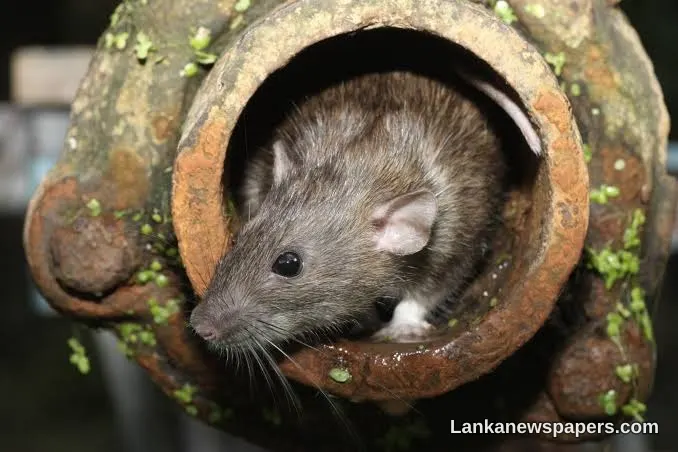
Health authorities in Sri Lanka are raising urgent concerns over a growing threat of leptospirosis, commonly known as rat fever, with the Sri Lanka Public Health Inspectors' Union calling on the public to take immediate precautionary measures.
A Seasonal Threat on the Rise
The Sri Lanka Public Health Inspectors' Union has issued a stark warning regarding an increased risk of leptospirosis spreading across the island. The bacterial infection, which is primarily transmitted through contact with water or soil contaminated by the urine of infected animals — particularly rats — poses a significant danger especially during and after periods of heavy rainfall.
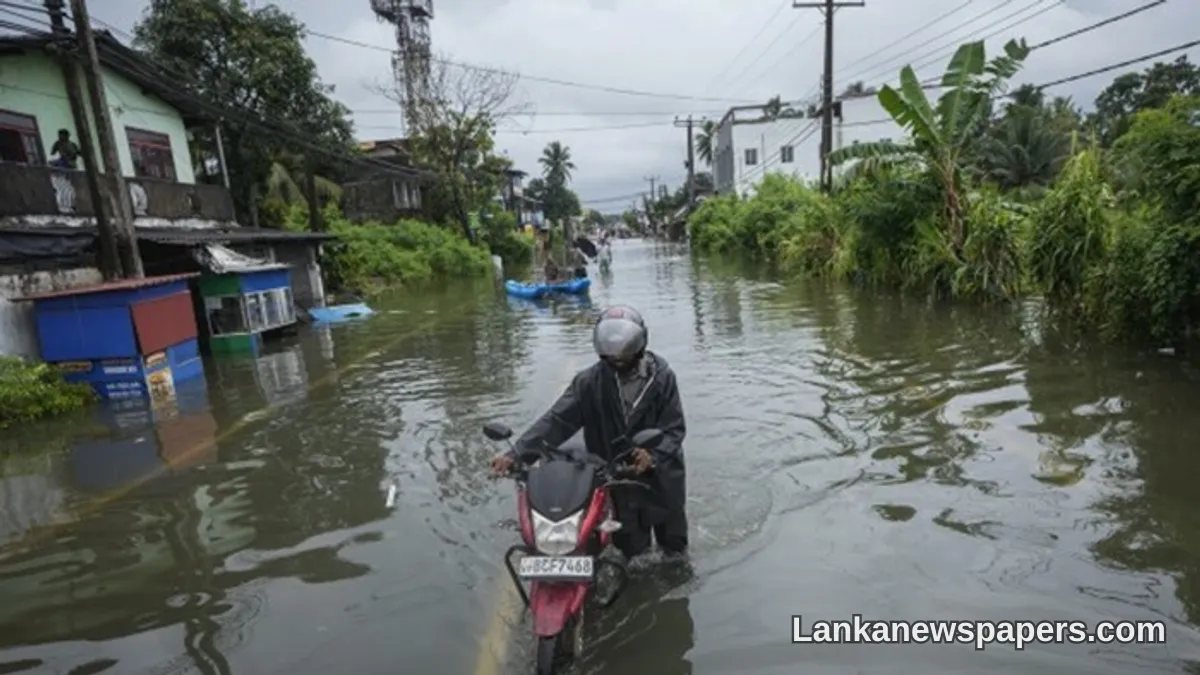
Health inspectors have stressed that the current conditions are particularly conducive to the spread of the disease, urging members of the public to exercise extreme caution when coming into contact with floodwaters, muddy terrain, or stagnant pools.
Who Is Most at Risk?
Certain groups face a heightened level of exposure to leptospirosis, including:
- Farmers and agricultural workers who wade through paddy fields and waterlogged land
- Residents in flood-prone areas who are exposed to contaminated water
- Sanitation and drainage workers handling waste in open environments
- Children who play in or near stagnant water sources
Recognising the Symptoms
Leptospirosis can initially present with symptoms similar to common illnesses, making early detection critical. The public has been advised to watch for sudden high fever, severe headaches, muscle pain particularly in the calves, redness of the eyes, and chills. In severe cases, the infection can lead to organ failure and prove fatal if left untreated.
Health officials emphasise that early medical attention is vital — anyone experiencing these symptoms following exposure to floodwaters or soil should seek treatment without delay.
Preventive Measures Recommended
The Sri Lanka Public Health Inspectors' Union has outlined several key steps the public can take to reduce the risk of infection:
- Wear protective footwear and clothing when working in fields or waterlogged areas
- Avoid wading through floodwater with open wounds or cuts on the skin
- Wash hands and exposed body parts thoroughly with soap after contact with soil or water
- Keep surroundings clean and free of rodents by eliminating potential nesting and feeding sites
- Seek medical attention promptly if symptoms develop after potential exposure
A Call for Public Vigilance
Health inspectors have called on both urban and rural communities to remain vigilant, particularly as Sri Lanka navigates its wet season. Authorities have also encouraged local government bodies to step up rodent control programmes and ensure proper drainage maintenance in high-risk areas.
Leptospirosis remains one of Sri Lanka's most persistent zoonotic diseases, with outbreaks historically recorded following flooding events. Public health officials continue to monitor the situation closely and urge citizens not to underestimate the severity of the threat.


💬 Join the Discussion 2
See what readers are saying — and add your view.
every rainy season same warning. goverment does nothing after tho.
true, drains in our area still blocked from last year.