Trump Warns of Infrastructure Strikes as US-Iran Conflict Costs Soar to $37.5 Billion
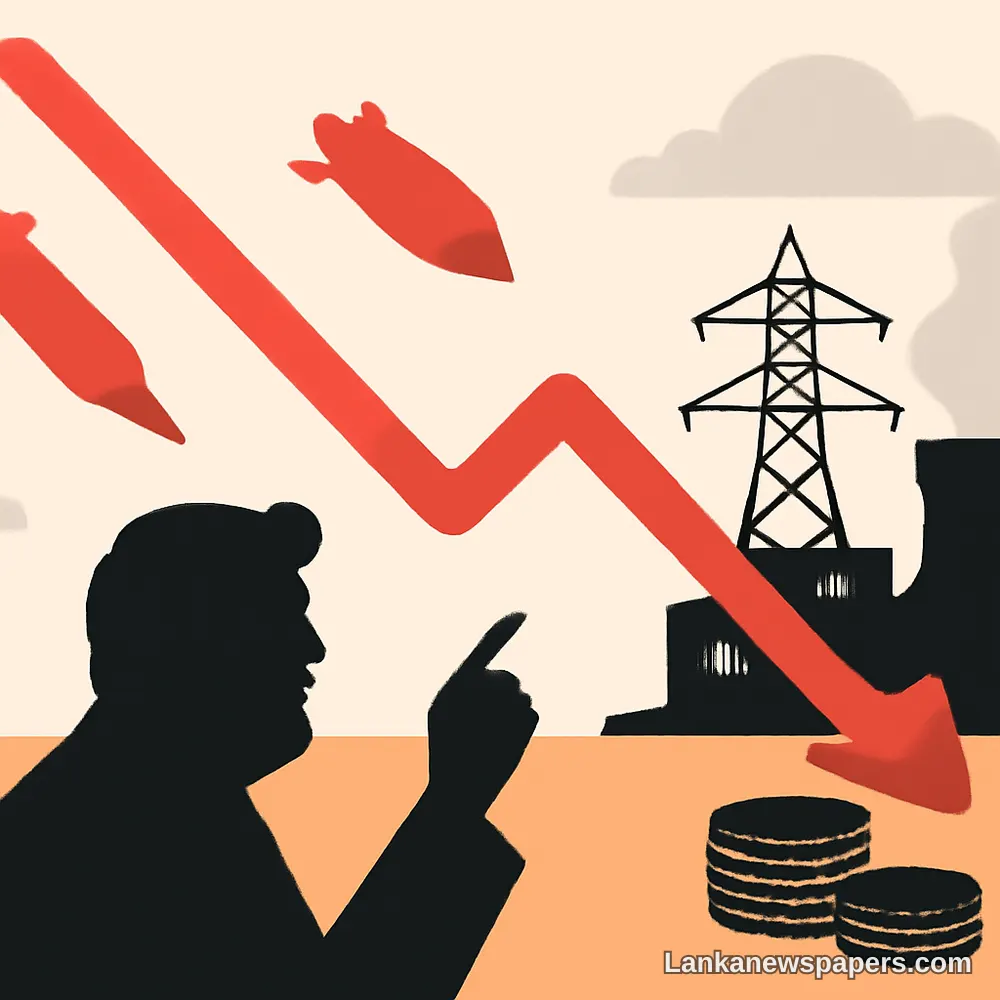
United States President Donald Trump has issued a stark warning to Iran, threatening to bomb and destroy critical Iranian infrastructure each time Tehran targets ships passing through the Strait of Hormuz, as the conflict between the two nations continues to escalate with no immediate sign of resolution.
Tit-for-Tat Threat Over Hormuz Shipping Lanes
Trump's warning marks a significant escalation in rhetoric, directly linking Iranian attacks on commercial and military shipping in one of the world's most strategically vital waterways to the destruction of Iran's key power and infrastructure assets. The Strait of Hormuz serves as a critical chokepoint for global oil shipments, and any sustained disruption there carries serious consequences for international energy markets, including for Sri Lanka, which relies heavily on imported fuel.
The threat came as United States forces carried out strikes against Iran for the eleventh consecutive night, underscoring the sustained and intensifying nature of the military campaign that Washington has launched against Tehran.
Staggering Financial Cost of the Campaign
United States Defense Secretary Pete Hegseth confirmed that the financial toll of the ongoing conflict has now reached an estimated $37.5 billion, a figure that reflects the enormous military resources being deployed in the operation. The disclosure has prompted debate within political circles in Washington over the long-term sustainability of the campaign and its broader strategic objectives.
Global Implications
The intensifying confrontation between the United States and Iran is being closely watched across the globe, with particular concern over its potential impact on oil supply chains and shipping insurance premiums. Analysts warn that any prolonged disruption to the Strait of Hormuz could send fuel prices sharply higher in import-dependent nations.
For Sri Lanka, which has only recently begun stabilising its economy following a devastating foreign currency crisis, a spike in global oil prices driven by Middle East instability would pose a renewed and serious economic challenge.
As the situation continues to develop, international calls for diplomatic engagement have grown louder, though there are currently no confirmed indications of direct negotiations between Washington and Tehran to bring the hostilities to a halt.

💬 Join the Discussion 2
See what readers are saying — and add your view.
37.5 billion dollars and they still going for round 11. madness
that money could fix half the world no