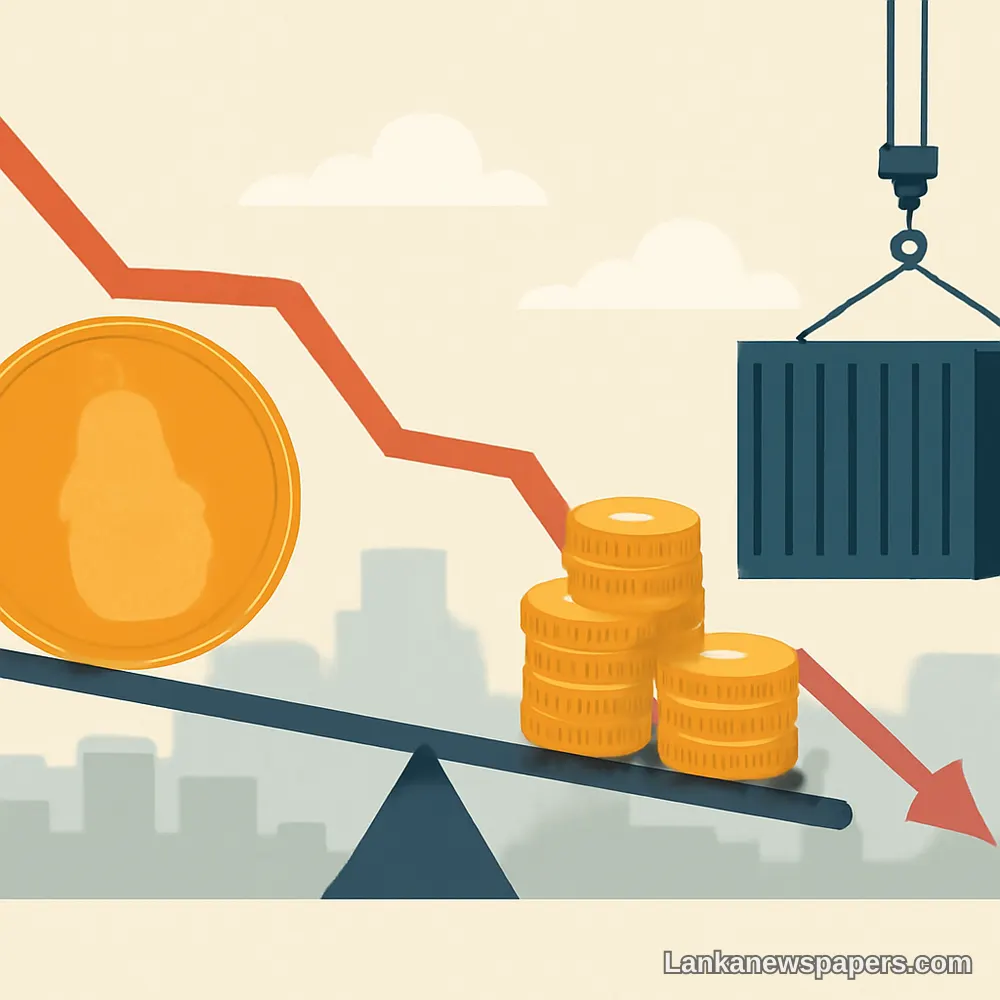
Sri Lanka's foreign exchange reserves have declined to $6.4 billion, with the Central Bank attributing the drop primarily to increased import expenditure rather than any deliberate intervention to defend the rupee's exchange rate.
Import Pressure Behind the Decline
The Central Bank of Sri Lanka has moved to clarify the nature of the reserve reduction, emphasising that the fall was driven by higher outflows related to imports rather than efforts to prop up the local currency. This distinction is considered significant, as exchange rate intervention typically draws down reserves more rapidly and raises greater concerns among financial analysts and international creditors.
Rising import costs have placed sustained pressure on the country's external finances, reflecting a gradual pickup in economic activity and consumer demand as Sri Lanka continues its post-crisis recovery. Increased imports, while a strain on reserves in the short term, are also seen as an indicator of improving domestic consumption.
Central Bank Expects Reserves to Recover
Despite the decline, the Central Bank has expressed confidence that the foreign reserve position will recover in the months ahead. Officials indicated that expected inflows — including tourism earnings, remittances from Sri Lankans abroad, and continued disbursements under the country's International Monetary Fund programme — are anticipated to help rebuild the reserve buffer.
Sri Lanka has been working to stabilise its economy following the unprecedented foreign exchange crisis of 2022, which led to severe shortages of fuel, medicines, and other essential goods. Rebuilding reserve levels has been a central objective of the government's economic recovery strategy.
IMF Programme Remains a Key Anchor
The ongoing IMF Extended Fund Facility arrangement continues to serve as a critical anchor for Sri Lanka's economic management. Regular reviews under the programme have kept international confidence relatively steady, and successful completion of programme targets has unlocked successive tranches of financial support.
Analysts note that while the current reserve level remains above the critically low figures seen during the peak of the economic crisis, maintaining and growing the reserve buffer will be essential for long-term economic stability and investor confidence.
The Central Bank has urged the public and markets not to read undue alarm into the latest figures, reiterating its commitment to prudent monetary management and exchange rate flexibility as the country works toward sustained economic recovery.


💬 Join the Discussion 4
See what readers are saying — and add your view.
how long until we hit 2022 levels again, anyone knows?
CB always has an explanation. last year it was something else also
imports going up means economy is recovering no? people buying things again
or just fuel and essentials bro, dont celebrate too early