Sri Lanka Deploys Military Drones and Police Patrols in Battle Against Worst Dengue Outbreak in Ten Years
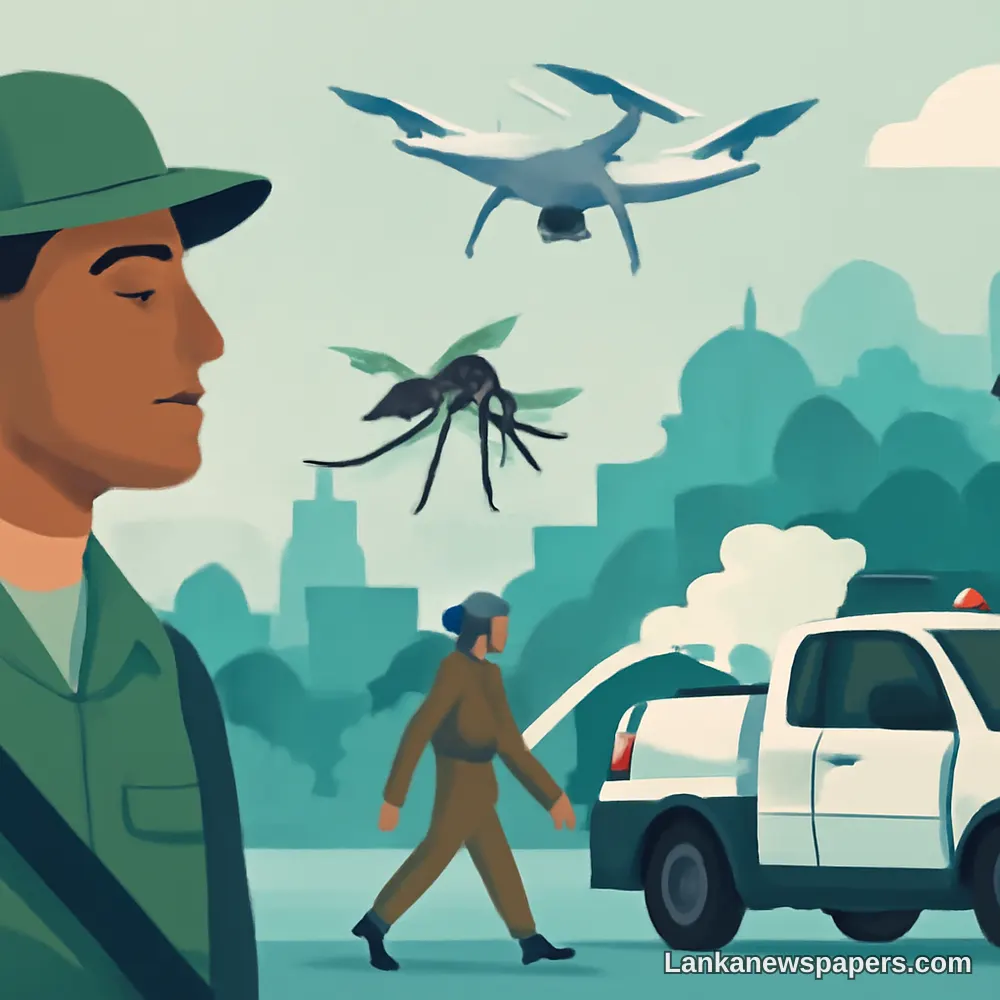
Island Nation Mobilises Unprecedented Resources as Dengue Cases Surge to Alarming Levels
Sri Lanka is waging an aggressive, multi-agency campaign against what health authorities are describing as the country's most severe dengue outbreak in a decade, deploying military drones and police enforcement teams in an effort to bring the crisis under control.
A Public Health Emergency Demanding Extraordinary Measures
The scale of this year's dengue surge has prompted the government to move well beyond conventional mosquito control methods. Rather than relying solely on public health workers and fumigation teams, authorities have now drawn in the military and law enforcement as active participants in the national response — a reflection of just how serious the situation has become.
Military drones are being used to conduct aerial surveillance, identifying pools of stagnant water and other mosquito breeding grounds across urban and suburban areas that would be difficult or time-consuming to detect on foot. The technology allows authorities to rapidly map high-risk zones and direct ground teams to act swiftly.
Police Playing a Key Enforcement Role
In a notable development, police officers are now conducting property check-ups, visiting homes and business premises to ensure that residents are not inadvertently maintaining conditions that allow the Aedes aegypti mosquito — the primary carrier of the dengue virus — to breed. Households found with stagnant water in containers, flowerpots, tyres, or other receptacles face warnings and potential legal consequences.
This enforcement dimension signals a shift in approach, with the government treating negligent mosquito breeding not merely as a public health concern but as a matter of civic and legal responsibility.
Why This Year Has Been Particularly Devastating
Health officials attribute the spike in cases to a combination of factors, including erratic rainfall patterns that have left standing water across many parts of the island, alongside gaps in public awareness and waste management. The outbreak has placed significant pressure on hospitals, with medical staff managing a surge in patients presenting with high fever, severe joint pain, and other characteristic dengue symptoms.
Dengue is a mosquito-borne viral infection that, in its more severe forms, can cause internal bleeding and organ failure. While Sri Lanka has battled recurring dengue outbreaks for years, the current situation is being flagged as the worst the country has seen in ten years.
Public Urged to Take Personal Responsibility
Health authorities are urging Sri Lankans not to wait for government teams to arrive at their doorsteps. Citizens are being called upon to:
- Empty and scrub water storage containers at least once a week
- Dispose of tyres, bottles, and other items that collect rainwater
- Use mosquito nets and repellents, particularly for young children and the elderly
- Seek immediate medical attention if dengue symptoms appear
Health officials stress that community participation remains the single most effective tool in reducing mosquito breeding sites, and that no level of government intervention can substitute for vigilance at the household level.
A Test of Coordinated Governance
The deployment of military and police resources alongside public health teams represents one of the most coordinated governmental responses to a dengue outbreak Sri Lanka has mounted in recent memory. Whether this integrated approach will succeed in reversing the trajectory of infections remains to be seen, but officials have signalled that enforcement and surveillance efforts will continue until case numbers begin to fall decisively.
For now, Sri Lankans across the island are being urged to treat dengue prevention as an urgent shared responsibility — one that no single ministry or agency can shoulder alone.



💬 Join the Discussion 0
Be the first to share your view on this story.