Sri Lanka Calls In Military Drones to Battle Worst Dengue Crisis in Nearly Ten Years
Armed Forces Join National Dengue Response as Case Numbers Surge
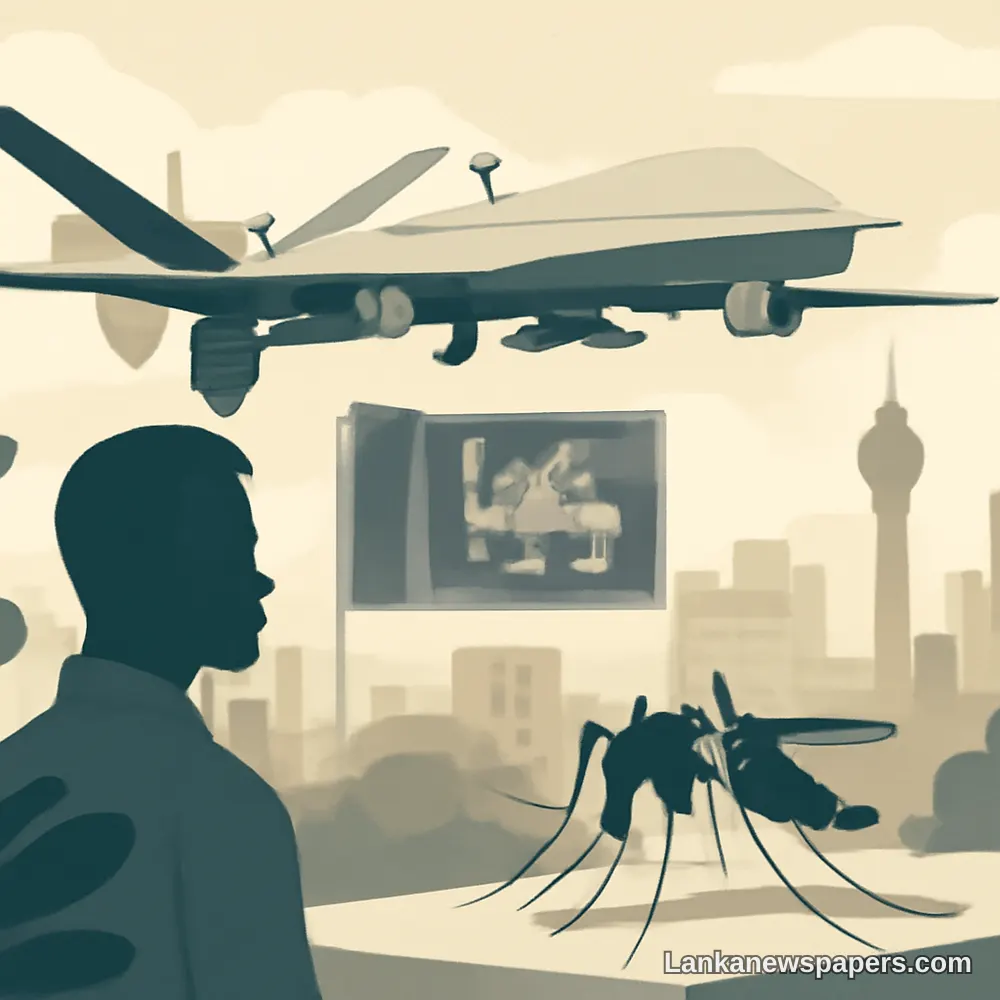
Sri Lanka has deployed military drones as part of an intensified campaign to combat what health authorities are describing as the country's worst dengue fever outbreak in almost a decade, with the situation raising serious alarm among public health officials across the island.
The use of military-grade drone technology marks a significant escalation in the government's response, reflecting the severity of the crisis and the urgency with which authorities are now treating the mosquito-borne disease. The drones are being used to identify and target stagnant water bodies — the primary breeding grounds for the Aedes aegypti mosquito responsible for transmitting dengue — across both urban and rural areas that are otherwise difficult to reach through conventional ground-level inspection.
A Crisis Years in the Making
Dengue fever has long been a recurring public health challenge in Sri Lanka, particularly during and after periods of heavy rainfall when standing water accumulates in communities. However, the current outbreak has surpassed levels seen in recent years, prompting the involvement of the armed forces in what is traditionally a civilian health matter.
Health officials have urged the public to take immediate preventive measures at the household level, emphasising that community participation remains one of the most effective tools in reducing mosquito breeding sites.
What the Public Can Do
- Regularly empty and clean water containers around the home
- Ensure proper disposal of items that collect rainwater, such as tyres and polythene
- Use mosquito nets and repellents, particularly for young children and the elderly
- Seek medical attention promptly if dengue symptoms such as high fever, severe headache, or joint pain develop
Technology Taking the Fight Aerial
The deployment of drones allows authorities to survey large areas rapidly and with far greater precision than traditional inspection teams on foot. By mapping hotspots from the air, health and military teams can coordinate targeted fogging and larvicide operations more efficiently, potentially reducing transmission rates in high-risk zones.
This approach signals a broader shift in how Sri Lanka is willing to mobilise national resources — including its defence infrastructure — when confronted with large-scale public health emergencies.
Citizens are being urged to cooperate fully with inspection teams and to report potential mosquito breeding sites in their neighbourhoods to local health authorities without delay.



💬 Join the Discussion 0
Be the first to share your view on this story.