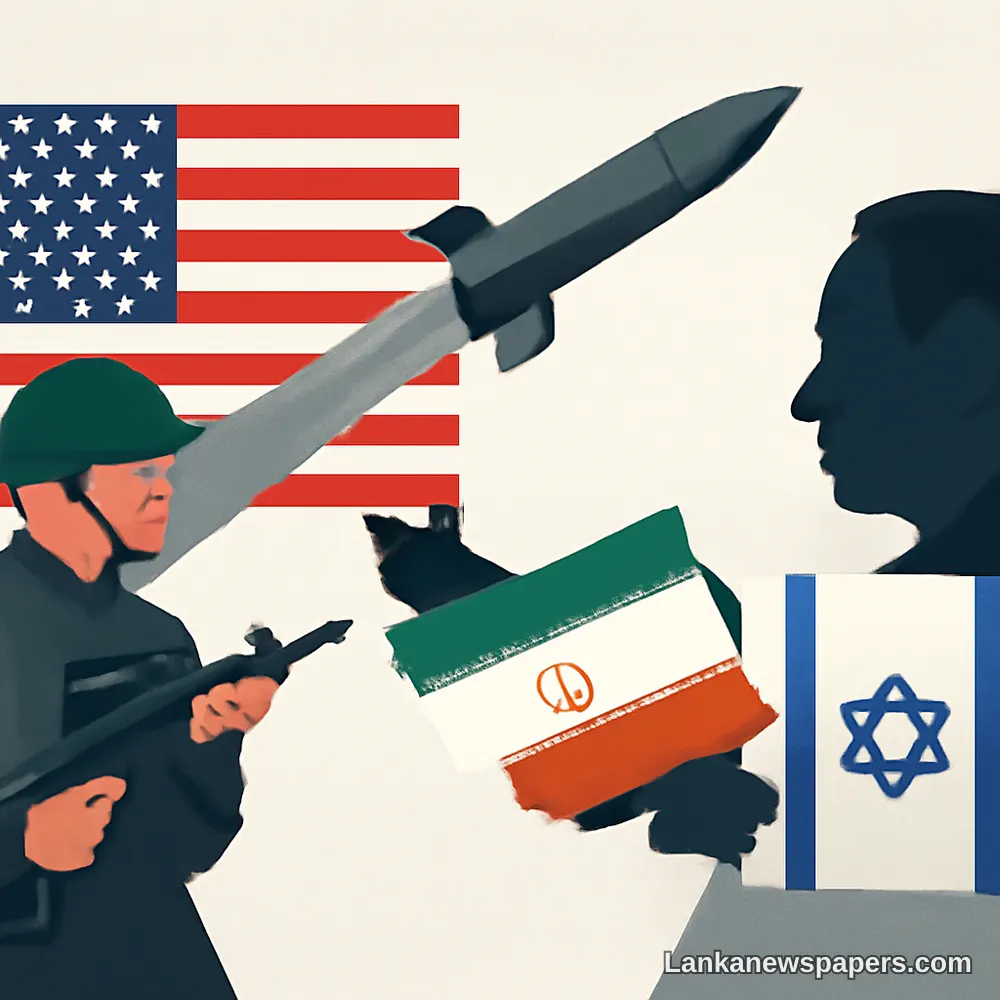
A Strategic Shift in the Middle East
Israeli Prime Minister Benjamin Netanyahu has every reason to feel vindicated. The United States has moved to directly strike Iran — without Israeli forces playing any visible role — in what analysts are describing as a significant and potentially defining moment in the long-running confrontation between Washington and Tehran.
Israel Steps Back as America Steps Forward
Israeli officials have indicated to international media that they do not anticipate Israel becoming directly involved in the current military action against Iran. For Netanyahu, this represents a remarkable diplomatic and strategic achievement — drawing the world's most powerful military into a conflict that Israel has long sought to bring to a decisive conclusion, while keeping Israeli forces out of the immediate line of fire.
The Realisation of a Long-Held Israeli Goal
For years, Israeli leadership has lobbied Washington to take a harder, more direct stance against Iran's nuclear ambitions and its broader regional influence. Critics of Netanyahu argued that Israel was pushing the United States toward a conflict that could destabilise the entire Middle East. Supporters, however, insisted that diplomatic pressure alone would never be sufficient to neutralise what Tel Aviv regards as an existential threat.
The current situation appears to have delivered Israel precisely the outcome it sought — American military engagement against Iran, with Israel positioned at arm's length from the immediate hostilities.
What This Means for the Region
The development carries enormous consequences not only for Iran and Israel, but for the broader Middle East and the international community. A direct US military confrontation with Iran — one of the region's most powerful states and a significant player in global energy markets — risks triggering a wider conflict involving Iranian-backed militias across Lebanon, Iraq, Syria, and Yemen.
For Sri Lanka, as with many other nations heavily dependent on Middle Eastern oil supplies and remittances from Sri Lankan workers employed across the Gulf region, any prolonged escalation could have serious economic consequences, including renewed pressure on fuel prices and foreign exchange inflows.
A Delicate Balancing Act
By keeping Israeli forces out of the direct engagement, Netanyahu's government also avoids handing Iran a politically convenient narrative — that this is purely an Israeli war being fought on its behalf. Instead, the framing becomes a broader international response to Iranian aggression and nuclear defiance, lending the operation a degree of legitimacy that direct Israeli strikes could never have achieved alone.
Whether this carefully constructed strategy ultimately delivers the security outcomes Israel seeks — or whether it opens the door to an unpredictable and dangerous escalation — remains to be seen. What is clear is that the Middle East has entered a new and volatile chapter, with consequences that will reverberate far beyond the region's borders.



💬 Join the Discussion 1
See what readers are saying — and add your view.
America doing all the dirty work while Israel sits back and watches. classic.