Northern Communities Push Back Against Government Celebrations Marking Kilinochchi's Fall
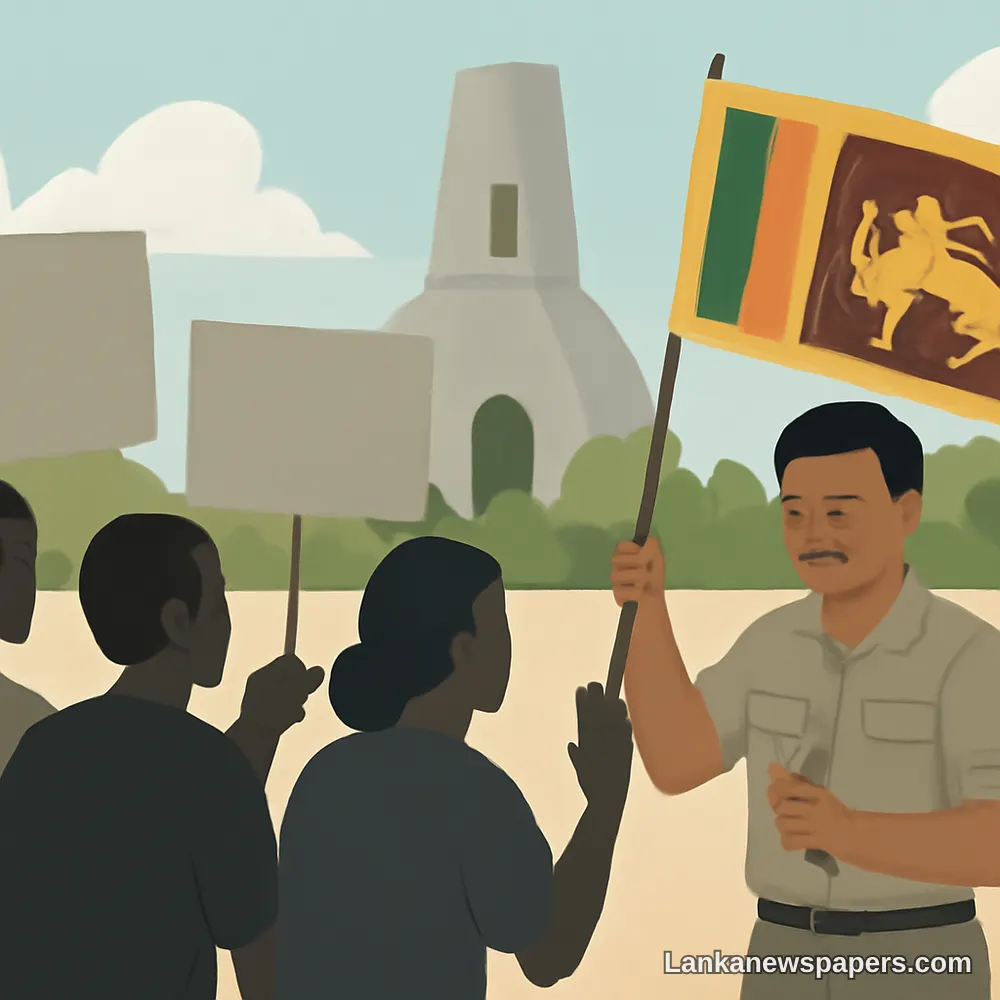
Residents of Sri Lanka's Northern Province have voiced strong opposition to official celebrations commemorating the capture of Kilinochchi, the former administrative capital of the Liberation Tigers of Tamil Eelam (LTTE), rekindling long-standing tensions between the north and the country's political establishment.
A Victory for Some, a Wound for Others
While the fall of Kilinochchi in January 2009 marked a decisive military turning point in Sri Lanka's decades-long civil war, many Tamil residents of the north view the anniversary not as cause for celebration but as a painful reminder of loss, displacement, and suffering endured during the final stages of the conflict.
For communities in the north, the commemorations are seen as deeply insensitive, given that thousands of civilians perished or were uprooted from their homes during the military campaign that led to the town's capture. Survivors and local civil society groups argue that victory parades and state-sponsored festivities effectively celebrate a chapter of history that brought immense grief to Tamil families.
Calls for Reconciliation Over Triumphalism
Community leaders and Tamil political representatives have urged the government to reconsider the manner in which such milestones are marked, emphasising that genuine national reconciliation cannot take root while one community's trauma is treated as another's triumph.
Rather than staging celebrations, authorities should be focusing on addressing the unresolved grievances of war-affected communities and building meaningful bridges between all ethnic groups in Sri Lanka.
Critics argue that annual military-style commemorations deepen ethnic divisions at a time when the country continues to grapple with post-war reconciliation challenges, transitional justice, and the resettlement needs of former conflict zones.
A Nation Still Divided by Memory
The opposing reactions to Kilinochchi's anniversary highlight the broader challenge Sri Lanka faces in constructing a shared national narrative. While the end of the civil war brought relief to many in the south, the war's conclusion left deep psychological and physical scars across the north and east of the island.
- Thousands of civilians were killed or injured during the final military offensive.
- Hundreds of thousands were displaced into internment camps following the war's end in May 2009.
- Many families in the north are still seeking answers about missing relatives.
- Post-war development in the region has been widely criticised as uneven and militarised.
Human rights organisations have consistently called on successive Sri Lankan governments to prioritise accountability and truth-seeking over commemorations that risk being perceived as triumphalist by affected communities.
As Sri Lanka continues its search for lasting peace and ethnic harmony, the protests from northern residents serve as a stark reminder that the wounds of war remain far from healed, and that any path forward must be rooted in empathy, acknowledgement, and genuine inclusion of all communities in the national story.

💬 Join the Discussion 0
Be the first to share your view on this story.