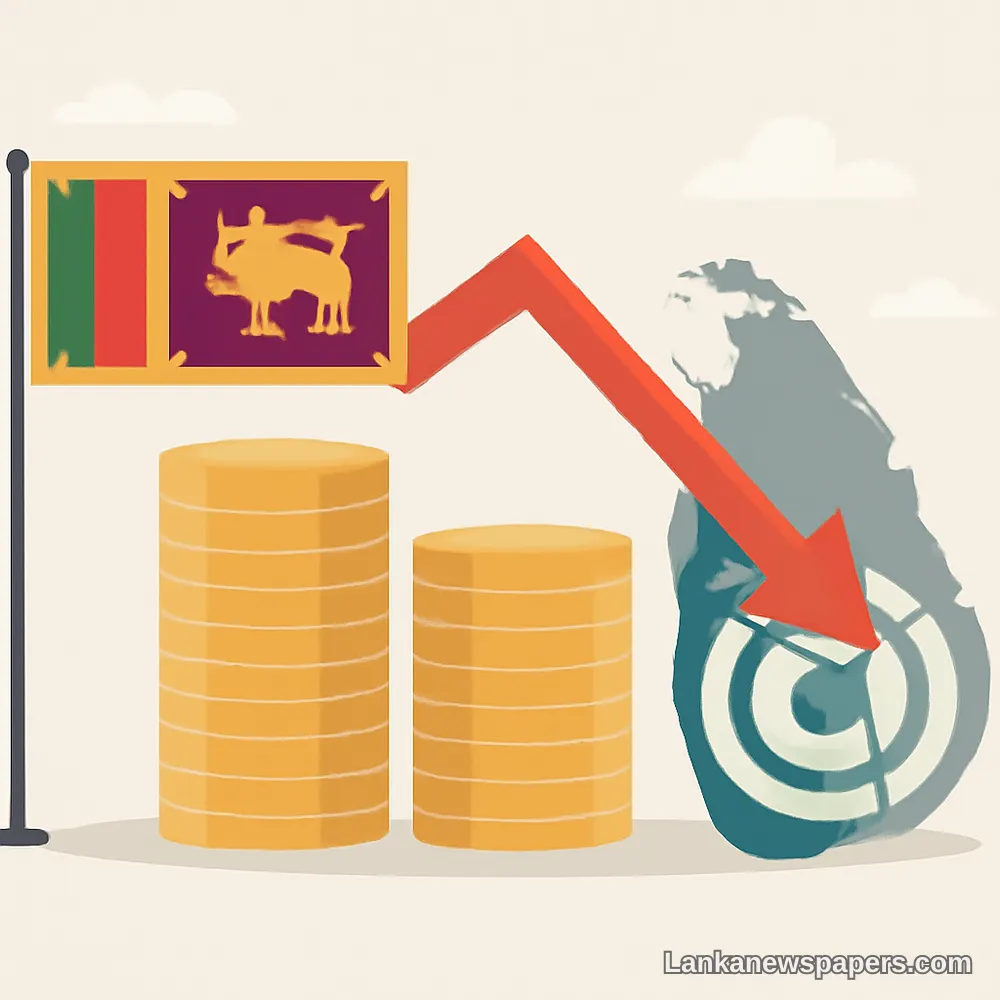
Sri Lanka's efforts to meet reserve targets set under its International Monetary Fund (IMF) programme are facing increasing pressure, according to a new assessment by global audit and advisory firm KPMG.
Reserve Build-Up Proving Difficult
The warning comes as Sri Lanka continues its economic recovery journey following the devastating financial crisis of 2022, which saw the island nation default on its external debt for the first time in its history. While the country has made notable progress under the IMF's Extended Fund Facility (EFF), maintaining the momentum required to hit reserve benchmarks remains a significant challenge.
KPMG's analysis highlights that external pressures, including global economic uncertainty and the ongoing need to service debt obligations, are among the key factors weighing on the country's foreign reserve accumulation efforts.
IMF Programme Requirements
Under the terms of Sri Lanka's IMF bailout programme, the country is required to build up its gross official reserves to agreed minimum levels across successive review periods. These targets are designed to restore confidence in the country's external sector and ensure adequate buffers against future economic shocks.
Meeting these benchmarks is considered critical not only for the continuation of IMF disbursements but also for Sri Lanka's broader credibility with international creditors and investors.
Broader Economic Concerns
KPMG's cautionary note adds to growing scrutiny over Sri Lanka's fiscal and monetary management at a time when the government is also navigating complex debt restructuring negotiations with bilateral and commercial creditors.
- Global commodity price fluctuations continue to affect Sri Lanka's import bill and foreign exchange outflows.
- Tourism and remittance inflows, while recovering, remain below the levels needed to comfortably sustain reserve growth.
- Debt repayment obligations are expected to place continued strain on available foreign exchange reserves.
Economists and financial observers in Colombo have stressed that consistent policy discipline, combined with the successful conclusion of debt restructuring, will be essential for Sri Lanka to remain on track with its IMF commitments.
What This Means for Sri Lanka
For ordinary Sri Lankans, the health of the country's foreign reserves has direct implications — influencing the stability of the rupee, the availability of essential imports, and the government's ability to maintain economic reforms that have begun to bring inflation and living costs under control.
KPMG's assessment serves as a timely reminder that while Sri Lanka has stepped back from the brink of total economic collapse, the road to full recovery remains long and requires sustained effort from both policymakers and the private sector.
The IMF programme has provided Sri Lanka with a critical lifeline, but meeting its reserve targets will require careful management of both domestic finances and external pressures in the months ahead.
Sri Lanka is currently undergoing periodic IMF programme reviews, with each review determining whether the country qualifies for the next tranche of financial assistance under the multi-year bailout arrangement.

💬 Join the Discussion 3
See what readers are saying — and add your view.
what does "under strain" even mean, are we heading for another crisis or not
goverment will just blame global economy as usual, nothing new
exactly, same story every year no accountability at all