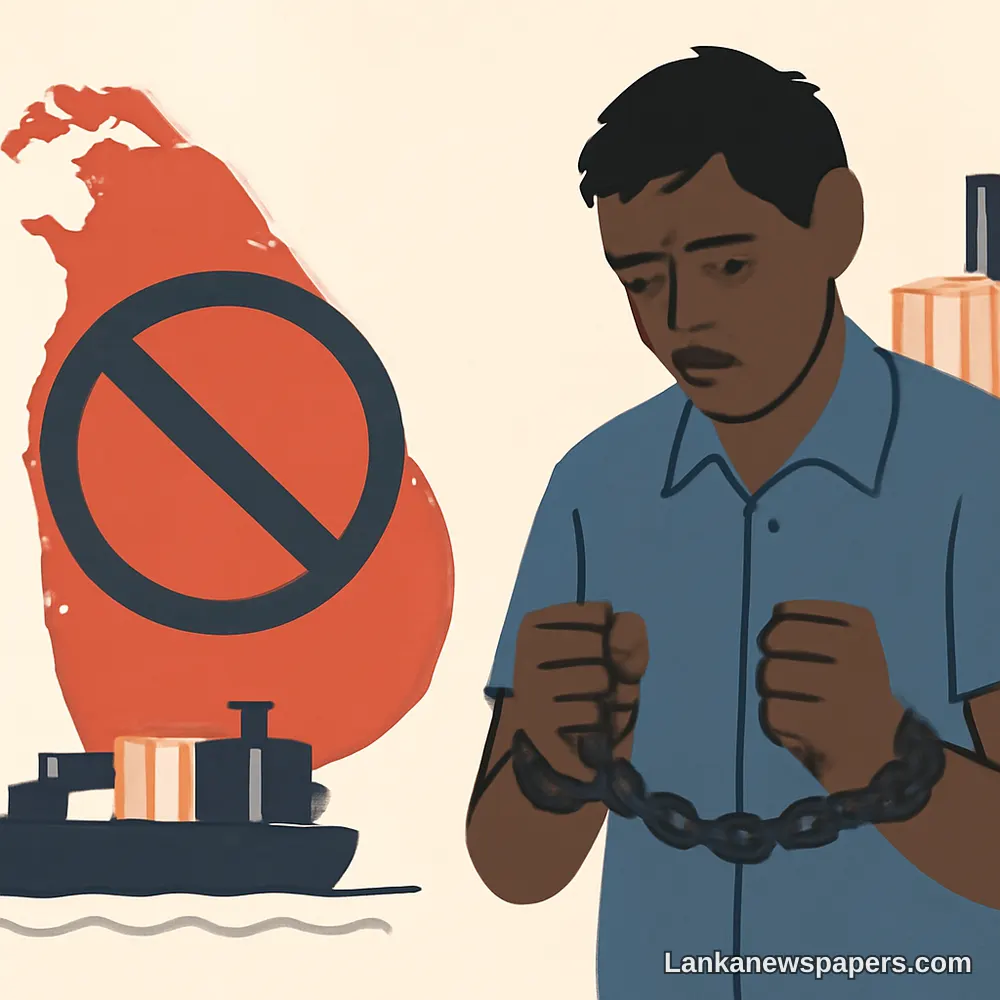
Sri Lanka has moved to ban the importation of goods produced using forced labour, a significant policy shift that comes in direct response to pressure from the United States, which threatened to impose tariffs on Sri Lankan exports found to contain such inputs.
The American Tariff Threat
Washington proposed a 12.5% tariff on Sri Lankan exports on the grounds that certain goods entering the United States contained components or materials sourced from supply chains reliant on forced labour. The threat sent a clear signal to Colombo: address the issue or face a serious blow to one of the country's most vital economic lifelines — its export sector.
Why This Is a Critical Issue for Sri Lanka
Sri Lanka depends heavily on export revenue, particularly from the garment and textile industry, which supplies major international brands and retailers. The United States is among the island nation's most important export markets. Any tariff hike would not only reduce the competitiveness of Sri Lankan goods abroad but could also prompt global buyers to shift their sourcing to other countries, with potentially devastating consequences for local employment and foreign exchange earnings.
What the Ban Entails
The forced labour import ban prohibits Sri Lankan manufacturers and exporters from incorporating into their products any raw materials, components, or intermediate goods that were produced under conditions of forced labour elsewhere. In practical terms, this means Sri Lankan businesses are now obligated to exercise greater scrutiny over their supply chains and verify that their imported inputs meet internationally accepted labour standards.
The Broader Global Context
Sri Lanka is not alone in facing this kind of pressure. The United States has been increasingly aggressive in enforcing trade measures linked to labour rights, having already enacted the Uyghur Forced Labor Prevention Act, which effectively bans imports from China's Xinjiang region unless companies can prove goods were not made with forced labour. Sri Lanka's situation reflects a growing global trend in which human rights considerations are becoming deeply embedded in international trade policy.
The move signals that Colombo recognises the reputational and economic risks of being associated — even indirectly — with forced labour practices anywhere in its supply chain.
Challenges Ahead
While the ban is a positive step in principle, implementation will be far from straightforward. Key challenges include:
- Establishing a credible monitoring and enforcement mechanism to verify supply chain compliance
- Building capacity within Sri Lankan customs and trade authorities to identify non-compliant imports
- Supporting smaller manufacturers who may lack the resources to conduct thorough supply chain audits
- Navigating diplomatic and commercial relationships with supplier countries that may be implicated
What Happens Next
The effectiveness of the ban will ultimately be judged by Washington, whose decision on whether to proceed with or withdraw the proposed 12.5% tariff will depend on whether Sri Lanka demonstrates genuine and verifiable compliance. For Sri Lankan exporters, the message is unambiguous — due diligence on labour standards is no longer optional but a commercial and legal imperative.
As Sri Lanka continues to rebuild its economy following the severe financial crisis of recent years, maintaining and expanding access to the American market remains a top priority. This ban, if properly enforced, could serve as a cornerstone of a broader effort to align Sri Lanka's trade practices with the standards demanded by its most important international partners.
💬 Join the Discussion 2
See what readers are saying — and add your view.
garment industry will suffer most, those workers didnt do anything wrong
exactly, why punish our ppl for what someone else did