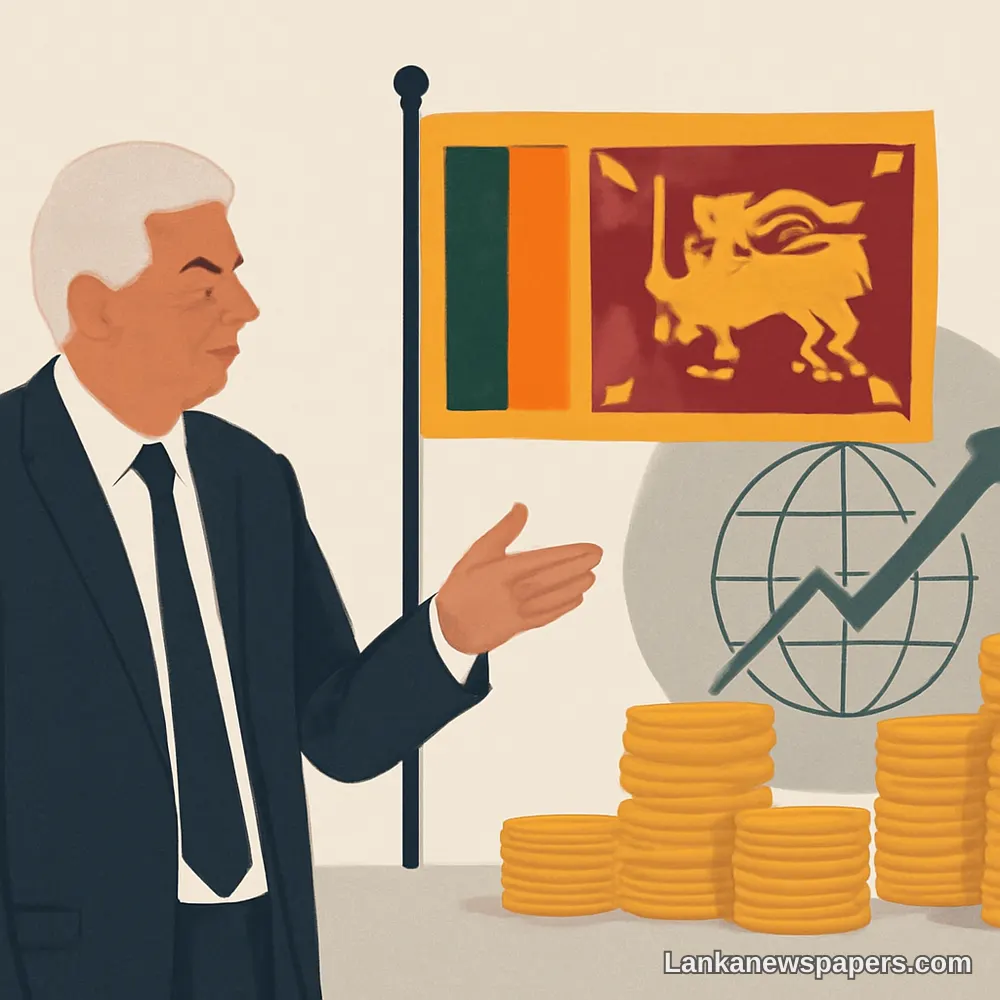
Former President Ranil Wickremesinghe has asserted that it was not the International Monetary Fund (IMF) that rescued Sri Lanka from its devastating economic crisis, pushing back against narratives that credit the global lender with the country's turnaround.
A Bold Claim on the Road to Recovery
Wickremesinghe, who steered Sri Lanka through one of the worst economic collapses in its post-independence history, maintained that the groundwork for the country's stabilisation was laid through domestic decisions and leadership rather than solely through the intervention of the IMF.
The former president's remarks challenge the widely held perception that the IMF bailout programme was the primary lifeline that pulled Sri Lanka back from the brink of total economic collapse, which saw the country run out of foreign reserves, face crippling fuel and medicine shortages, and endure widespread power cuts in 2022.
Sri Lanka's Economic Crisis in Context
Sri Lanka entered a formal IMF programme in 2023, securing a nearly three billion US dollar extended fund facility following months of painful negotiations. The agreement came after the country defaulted on its foreign debt for the first time in its history and was widely seen internationally as a critical anchor for restoring economic confidence.
However, Wickremesinghe appeared keen to highlight that the structural reforms, fiscal adjustments, and diplomatic engagement undertaken by his administration were the true drivers of recovery — with the IMF serving as a supporting framework rather than the rescuer itself.
Significance for Sri Lankan Politics
The remarks carry considerable political weight as Sri Lanka continues its recovery path under a new administration. Debates over who deserves credit for stabilising the economy remain a sensitive and contested issue among political parties and the public alike.
Critics of Wickremesinghe argue that austerity measures tied to the IMF programme placed an enormous burden on ordinary Sri Lankans, while his supporters contend that tough decisions made under his watch prevented an even deeper catastrophe.
As Sri Lanka moves forward with its debt restructuring process and works to meet IMF programme targets, the question of ownership over the country's economic recovery is likely to remain a defining theme in the nation's political discourse for years to come.
💬 Join the Discussion 1
See what readers are saying — and add your view.
then who saved us? definitely not the goverment lah