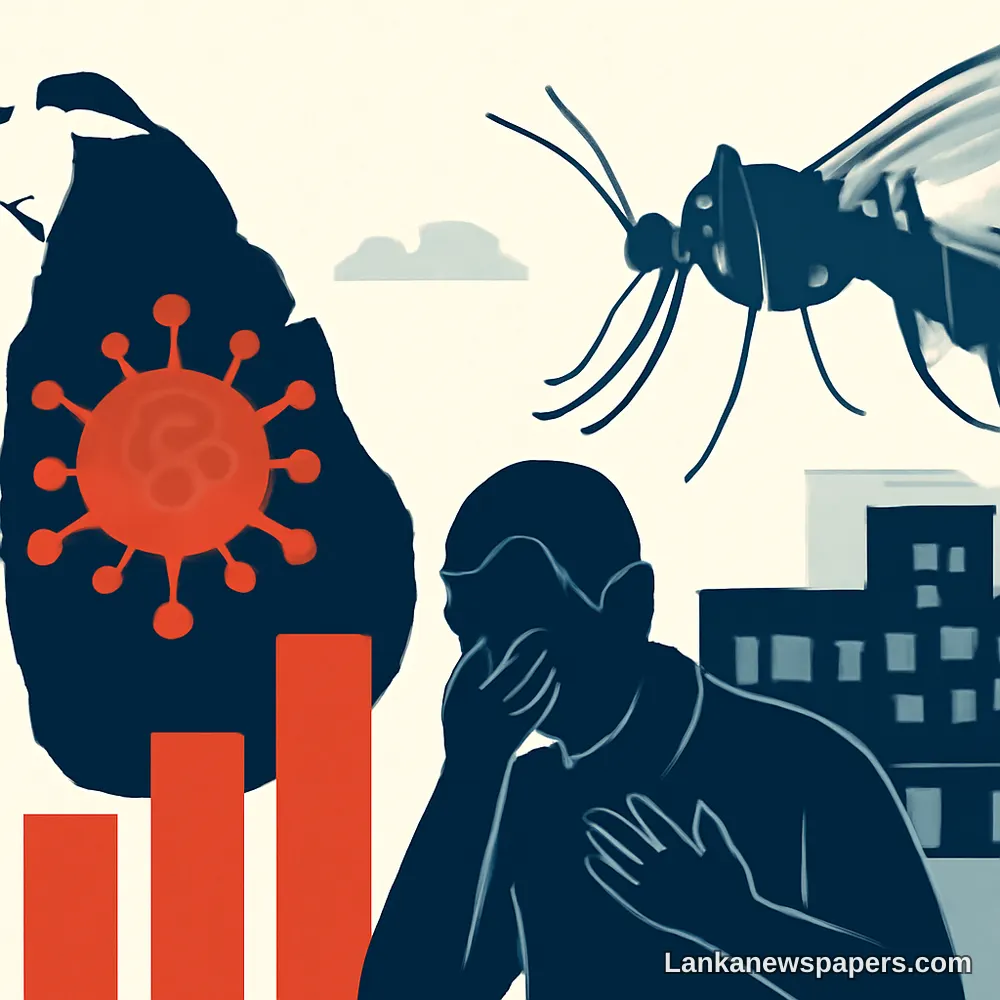
Sri Lanka is facing a worsening dengue fever crisis, with the death toll climbing to 50 as confirmed cases across the country have surged past the 73,000 mark, raising serious public health concerns among authorities and medical professionals alike.
A Rapidly Escalating Health Emergency
The sharp rise in both fatalities and infections has placed considerable pressure on the country's healthcare system, with hospitals in multiple provinces reporting increased admissions of dengue patients. Health officials are urging the public to take immediate preventive action as the mosquito-borne illness continues to spread at an alarming rate.
The figures represent a significant escalation compared to previous periods, signalling that Sri Lanka is in the grip of one of its more severe dengue outbreaks in recent times. Medical experts warn that the situation could deteriorate further if breeding grounds for the Aedes aegypti mosquito, the primary carrier of the dengue virus, are not systematically eliminated.
What the Public Can Do
Health authorities are reminding residents of the steps they can take to protect themselves and their communities from further spread of the disease. Key preventive measures include:
- Removing stagnant water from flowerpots, tyres, buckets, and other containers around the home
- Using mosquito repellent regularly, especially during dawn and dusk hours
- Wearing long-sleeved clothing to minimise skin exposure
- Ensuring windows and doors are fitted with proper mosquito screens
- Seeking immediate medical attention if symptoms such as high fever, severe headache, or rash develop
Authorities Called to Act Swiftly
Dengue is preventable, and community participation is absolutely critical to bringing this outbreak under control before the situation worsens further.
Local government bodies and public health inspectors have been urged to intensify fumigation drives and community awareness campaigns, particularly in high-density urban areas and regions reporting the highest case concentrations.
Sri Lanka has historically experienced seasonal dengue outbreaks, often peaking during and after monsoon periods when rainfall creates ideal breeding conditions for mosquitoes. With the current numbers already surpassing 73,000, health officials are calling on every citizen to treat dengue prevention as a shared national responsibility.



💬 Join the Discussion 2
See what readers are saying — and add your view.
50 deaths already and goverment still doing nothing properly
every year same story, they never learn