Sri Lanka's Fractured Opposition Struggles to Find Unity Amid Fierce Alliance Rivalries
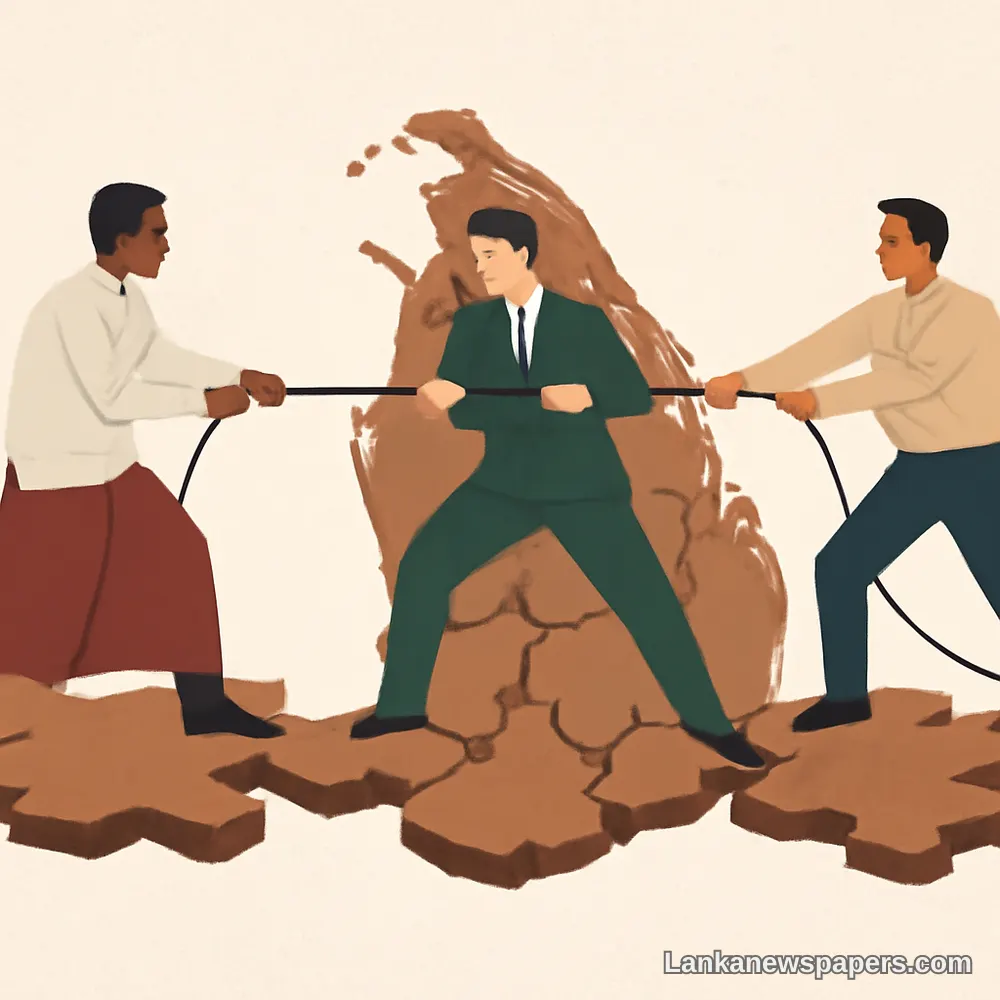
Opposition Landscape Grows Increasingly Fragmented
Sri Lanka's opposition political landscape is showing deepening signs of fragmentation, as competing alliances jostle for position and relevance in a rapidly shifting post-election environment. The once-formidable blocs that challenged the ruling National People's Power government now find themselves locked in internal disputes and external rivalries that threaten to undermine their collective effectiveness.
Alliances at Odds Over Direction and Leadership
Multiple opposition groupings, each claiming to represent the true voice of the Sri Lankan people, have been unable to forge a coherent unified front. Instead of presenting a strong, consolidated challenge to the government, these factions have turned their energies inward, battling one another for political credibility and voter loyalty.
The splintering has raised serious questions about the future of mainstream opposition politics in Sri Lanka, with analysts warning that a divided opposition could allow the ruling party to consolidate its authority further without meaningful parliamentary pushback.
Stakes High for Established Political Parties
For long-established parties such as the Samagi Jana Balawegaya and the Sri Lanka Podujana Peramuna, the struggle for relevance has become increasingly urgent. Both formations, which once commanded significant electoral support, are now navigating a political terrain dramatically reshaped by the NPP's sweeping victory.
- Rival opposition alliances competing for the same voter base
- Leadership disputes complicating efforts to present a united front
- Public confidence in traditional opposition parties remaining fragile
Observers Warn of Long-Term Consequences
Political observers in Colombo have cautioned that prolonged disunity within the opposition could have lasting consequences for Sri Lanka's democratic balance of power. A weakened opposition, they argue, reduces accountability and diminishes the checks and balances essential to good governance.
A functioning democracy requires a strong and credible opposition — without it, the government of the day faces little institutional pressure to remain answerable to the public.
As Sri Lanka continues its economic recovery journey and faces pressing policy decisions, the ability of opposition parties to reorganise, recalibrate, and offer credible alternatives will be closely watched by voters, civil society, and international observers alike.
💬 Join the Discussion 0
Be the first to share your view on this story.