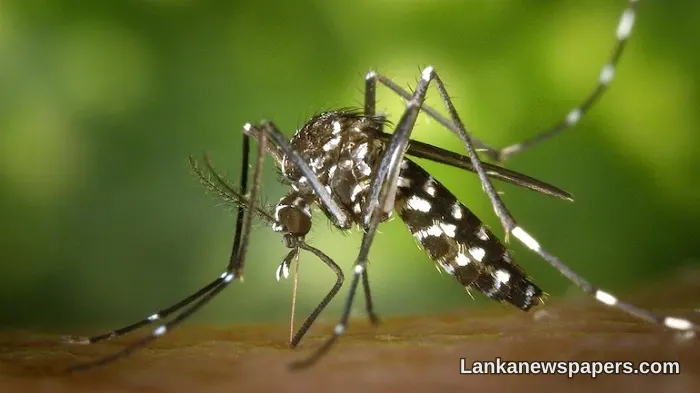
Sri Lanka's dengue fever outbreak has reached alarming proportions, with the National Dengue Control Unit (NDCU) confirming that the total number of reported cases nationwide has surpassed 71,000 as of midnight in mid-July.
A Rapidly Escalating Public Health Emergency
The NDCU recorded 71,235 dengue cases across the island, signalling a significant and concerning acceleration in the spread of the mosquito-borne disease. Health authorities are closely monitoring the situation as the numbers continue to climb during what has historically been a high-risk season for dengue transmission in Sri Lanka.
The surge comes as the country experiences seasonal rainfall that creates ideal breeding conditions for the Aedes aegypti mosquito, the primary vector responsible for spreading the dengue virus. Stagnant water in urban and suburban areas following heavy rains has been identified as a key contributor to the rapid rise in infections.
Public Urged to Take Preventive Action
Health officials are calling on the public to take immediate and decisive steps to eliminate mosquito breeding grounds around their homes and workplaces. Recommended preventive measures include:
- Regularly emptying and cleaning containers that collect water, such as flowerpots, tyres, and buckets
- Covering water storage tanks and barrels securely
- Using mosquito repellents and wearing protective clothing, particularly during dawn and dusk
- Seeking medical attention promptly if symptoms such as high fever, severe headaches, joint pain, or a skin rash develop
- Reporting potential mosquito breeding sites to local authorities
Strain on Healthcare Services
The rapid increase in dengue cases is placing considerable pressure on hospitals and healthcare facilities throughout the country. Medical staff are attending to a growing number of patients presenting with dengue symptoms, and health institutions have been urged to ensure adequate stocks of medical supplies to manage the caseload effectively.
The NDCU has been coordinating with provincial health departments and local government bodies to intensify awareness campaigns and vector control operations across high-risk areas.
Dengue has long been a seasonal challenge for Sri Lanka, but this year's figures indicate that the outbreak may be tracking at a higher rate compared to previous years. Authorities are appealing to communities, schools, and workplaces to actively participate in clean-up drives and to remain vigilant in protecting themselves and their families from infection.
Residents experiencing any symptoms associated with dengue fever are strongly advised to consult a doctor without delay rather than attempting self-medication at home.


💬 Join the Discussion 4
See what readers are saying — and add your view.
can someone explain why colombo always gets hit hardest? is it the drains?
my whole street got dengue last month. mosquitoes everywhere after the rains.
71,000 cases and goverment still doing nothing properly. shameful.
exactly, every year same story, no action until ppl die.