Sri Lanka's Cigarette Tax Reductions Have Cost the Treasury Over Rs. 25 Billion Since 2025
Revised Tobacco Tax Policy Triggers Significant Revenue Shortfall
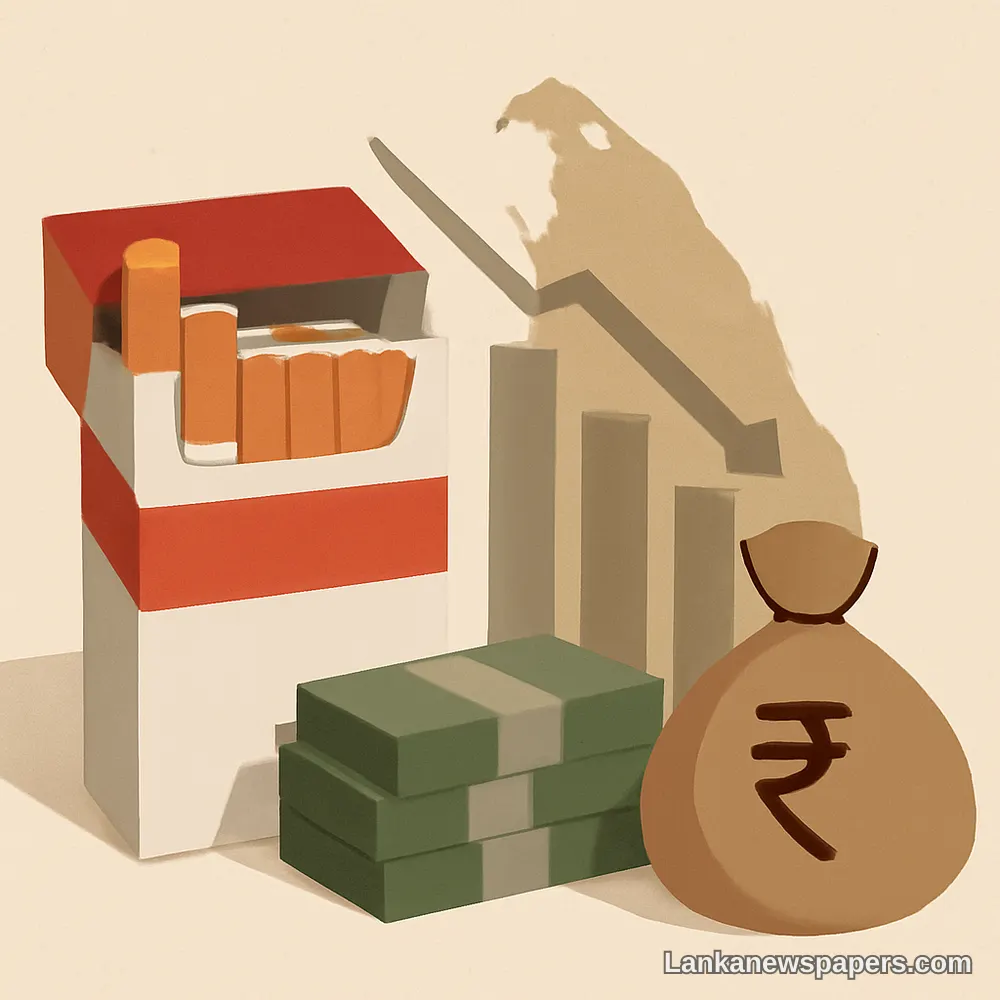
Sri Lanka has suffered a tax revenue loss exceeding Rs. 25 billion since 2025 as a direct consequence of reductions made to cigarette excise duties, raising serious concerns among fiscal analysts and public health advocates alike.
A Costly Policy Reversal
The cuts to cigarette taxation, which were introduced in the early part of 2025, were intended to address illicit tobacco trade and bring informal cigarette markets under the formal tax net. However, the move has triggered an unexpectedly sharp decline in government revenue, with cumulative losses now surpassing the Rs. 25 billion mark.
Critics argue that the policy has effectively handed a financial windfall to tobacco manufacturers while depriving the state of funds that could have been directed towards essential public services, including healthcare and education.
Fiscal Implications at a Sensitive Time
The revenue shortfall comes at a particularly delicate moment for Sri Lanka, as the country continues to navigate the conditions of its International Monetary Fund recovery programme, which places strong emphasis on improving domestic revenue mobilisation and maintaining fiscal discipline.
Excise duties on tobacco have historically been among the most reliable and substantial contributors to Sri Lanka's indirect tax base. Any meaningful erosion of that revenue stream is therefore viewed with considerable alarm by economists monitoring the country's economic recovery trajectory.
Public Health Concerns Compound the Debate
Beyond the financial dimension, the tax reductions have drawn sharp criticism from the public health community. Tobacco taxation is widely recognised internationally as one of the most effective tools for reducing smoking rates, particularly among younger demographics and low-income groups.
- Lower cigarette prices resulting from tax cuts are likely to increase consumption.
- Higher smoking rates place additional strain on an already stretched public health system.
- Sri Lanka's commitments under the World Health Organisation's Framework Convention on Tobacco Control call for progressive increases in tobacco taxes, not reductions.
Calls for Policy Reassessment
Pressure is now mounting on policymakers to reassess the cigarette tax framework and consider reversing or modifying the cuts. Fiscal experts suggest that reinstating higher excise duties could simultaneously restore lost revenue and align the country's tobacco policy with both its economic recovery goals and its public health obligations.
Tobacco taxation remains one of the few policy instruments that simultaneously generates government revenue and delivers measurable public health benefits — reducing it runs counter to Sri Lanka's best interests on both fronts.
As Parliament and the Finance Ministry come under increasing scrutiny, the coming months are likely to see intensified debate over whether the cigarette tax cuts were a miscalculation that Sri Lanka's fragile fiscal position can ill afford.


💬 Join the Discussion 0
Be the first to share your view on this story.