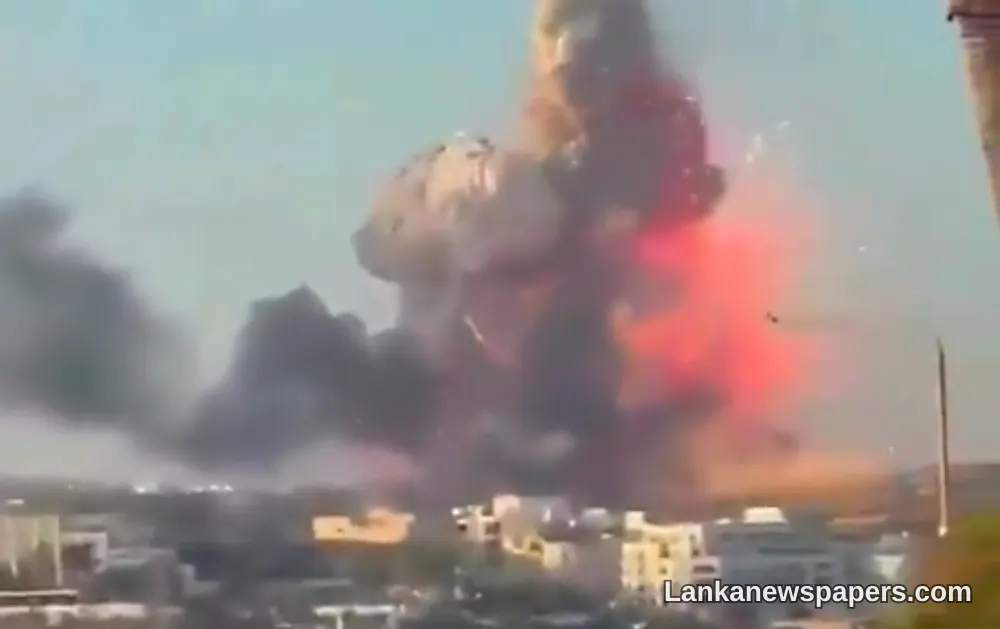
Iran has issued a stark warning to the international community, threatening to block key oil and gas export routes across the Middle East as the United States launched a fresh wave of military strikes against Iranian targets.
A Dangerous Escalation
The threat marks a significant escalation in tensions between Tehran and Washington, raising fears of severe disruptions to global energy supplies at a time when markets are already under pressure. Iran's warning signals a willingness to extend the conflict beyond its own borders, potentially drawing in neighbouring states and destabilising one of the world's most critical energy corridors.
Iranian officials indicated that if American military action continued, they would consider measures to impede the flow of oil and gas through key regional transit points, a move that could send shockwaves through global energy markets.
US Military Action
The United States confirmed it had carried out a new round of strikes targeting Iranian positions, framing the offensive as a necessary response to ongoing regional threats. American officials defended the military action as measured and targeted, though Iran condemned the strikes as acts of aggression that violated its sovereignty.
Implications for Global Energy Markets
The threat to energy routes has drawn immediate concern from international observers and market analysts. The Middle East remains the backbone of global oil supply, and any deliberate disruption to export infrastructure or shipping lanes could trigger sharp increases in crude oil prices worldwide.
- Iran controls strategic access points along major regional energy corridors
- A blockade or disruption could affect oil supplies to Asia, Europe, and beyond
- Energy-importing nations, including Sri Lanka, could face increased fuel costs
Regional and International Response
The escalating confrontation has prompted urgent calls from regional governments and international bodies for both sides to exercise restraint and return to diplomatic channels. With memories of past Gulf crises still fresh, neighbouring states are watching developments with considerable anxiety.
Any deliberate interference with regional energy infrastructure would represent an unprecedented and deeply destabilising act with consequences felt far beyond the Middle East.
For Sri Lanka, which relies heavily on imported fuel to meet its energy needs, a prolonged disruption to Middle Eastern energy routes would compound existing economic pressures and drive up the cost of living for ordinary citizens.
The situation continues to evolve rapidly, and diplomatic efforts are underway at multiple levels to prevent the crisis from spiralling into a broader regional conflict.


💬 Join the Discussion 2
See what readers are saying — and add your view.
petrol prices going up again for sure, we are the ones suffering
exactly men, every time these countries fight we pay more at the pump