Welikade Riot Lays Bare Sri Lanka's Festering Prison Crisis of Drugs, Violence and Overcrowding
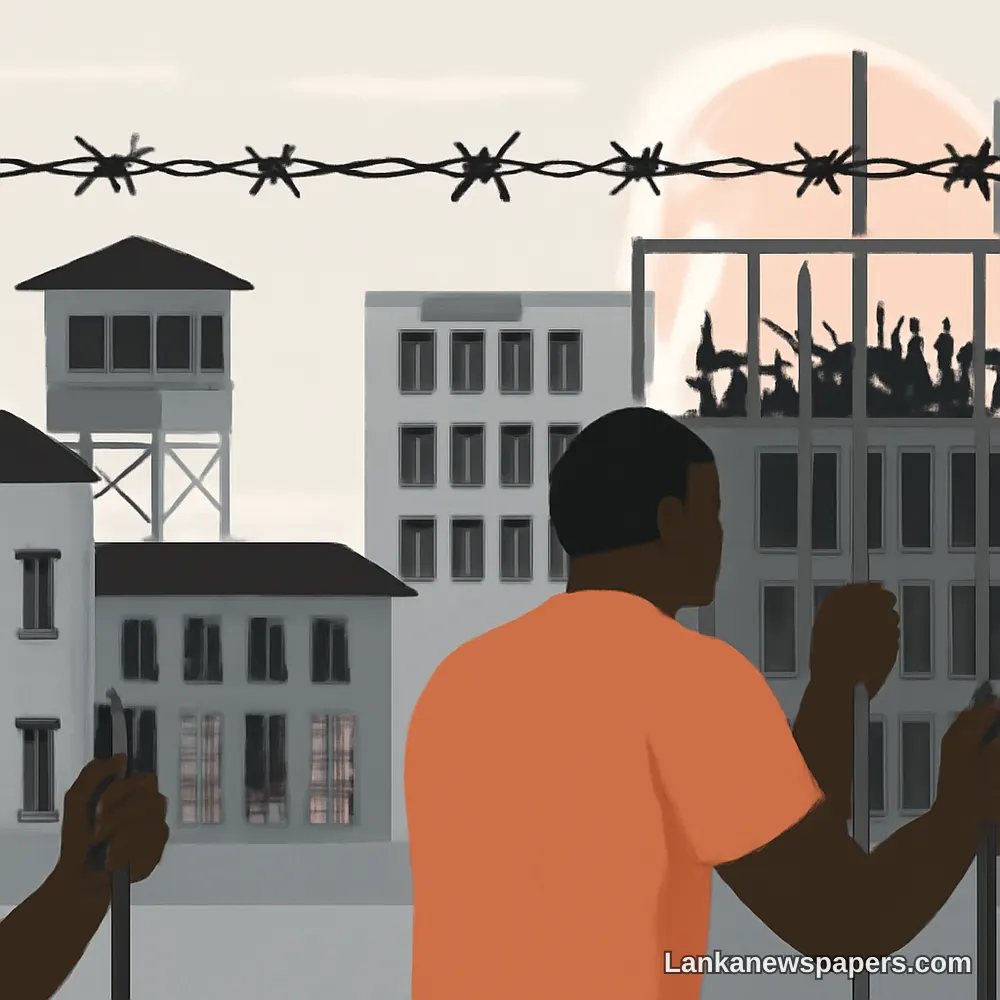
A violent riot that erupted inside one of Sri Lanka's most notorious prisons has thrown a harsh spotlight on the deeply entrenched problems plaguing the country's correctional system — a toxic combination of rampant drug use, organised criminal networks operating behind bars, and dangerously overcrowded facilities.
A System Under Severe Strain
Sri Lanka's prisons have long been stretched well beyond their intended capacity, housing far more inmates than the infrastructure was ever designed to accommodate. This chronic overcrowding has created conditions in which violence can ignite rapidly, and authorities have repeatedly struggled to maintain order within facilities that are bursting at the seams.
The latest unrest has brought these underlying tensions into sharp public focus, raising urgent questions about whether successive governments have done enough to reform a prison system that experts and rights advocates have warned for years is on the verge of collapse.
Drugs at the Heart of Prison Violence
Investigators and prison officials point to the illegal drug trade as a central driver of violence within Sri Lankan detention facilities. Narcotics continue to find their way inside prisons despite security measures, fuelling rivalries between criminal factions competing for control of the trade. Inmates with connections to organised crime networks on the outside are believed to coordinate drug distribution operations from within their cells, making the prison environment a continuation — rather than an interruption — of criminal activity.
The flow of drugs into prisons does not merely reflect a law enforcement failure; it is a symptom of how deeply criminal networks have embedded themselves within the broader social fabric.
Overcrowding Amplifies Every Problem
Sri Lanka's prison population has swelled dramatically in recent decades, driven in large part by mandatory sentencing laws related to drug offences. A significant proportion of those behind bars are serving time for relatively minor narcotics-related charges, occupying space and resources that the system can ill afford. This reality has prompted renewed calls for sentencing reform and greater use of alternative rehabilitation programmes to ease the burden on physical prison infrastructure.
- Sri Lankan prisons are reported to be holding several times their intended inmate populations.
- A large share of inmates are incarcerated for drug-related offences, many of them non-violent.
- Rehabilitation programmes remain underfunded and inadequately staffed across most facilities.
- Criminal gang hierarchies frequently reconstitute themselves inside prison walls.
Calls for Systemic Reform Grow Louder
Civil society organisations and legal experts in Sri Lanka have renewed their calls for comprehensive prison reform in the wake of the latest violence. They argue that treating the symptoms — deploying additional security personnel or imposing temporary lockdowns — without addressing the root causes will only delay the next crisis rather than prevent it.
Proposed reforms include decriminalising the personal use of certain substances, investing heavily in drug rehabilitation both inside and outside prisons, expanding legal aid services for remand prisoners who often wait years for their cases to be heard, and modernising prison infrastructure to meet basic humanitarian standards.
Government Under Pressure to Act
The riot has placed the government under considerable political pressure to demonstrate that it takes prison conditions seriously. While officials have pledged investigations and promised accountability, critics note that similar assurances have followed previous incidents without producing meaningful structural change.
For the families of inmates, prison staff fearing for their safety, and a broader Sri Lankan public concerned about the reach of organised crime, the message from the latest unrest is unmistakable — the country's prison crisis is not a peripheral issue, but one that touches the health, security and justice of society as a whole.

💬 Join the Discussion 0
Be the first to share your view on this story.