President Rajapaksa Calls for Greater Protections for Sri Lankan Migrant Workers in Gulf Countries
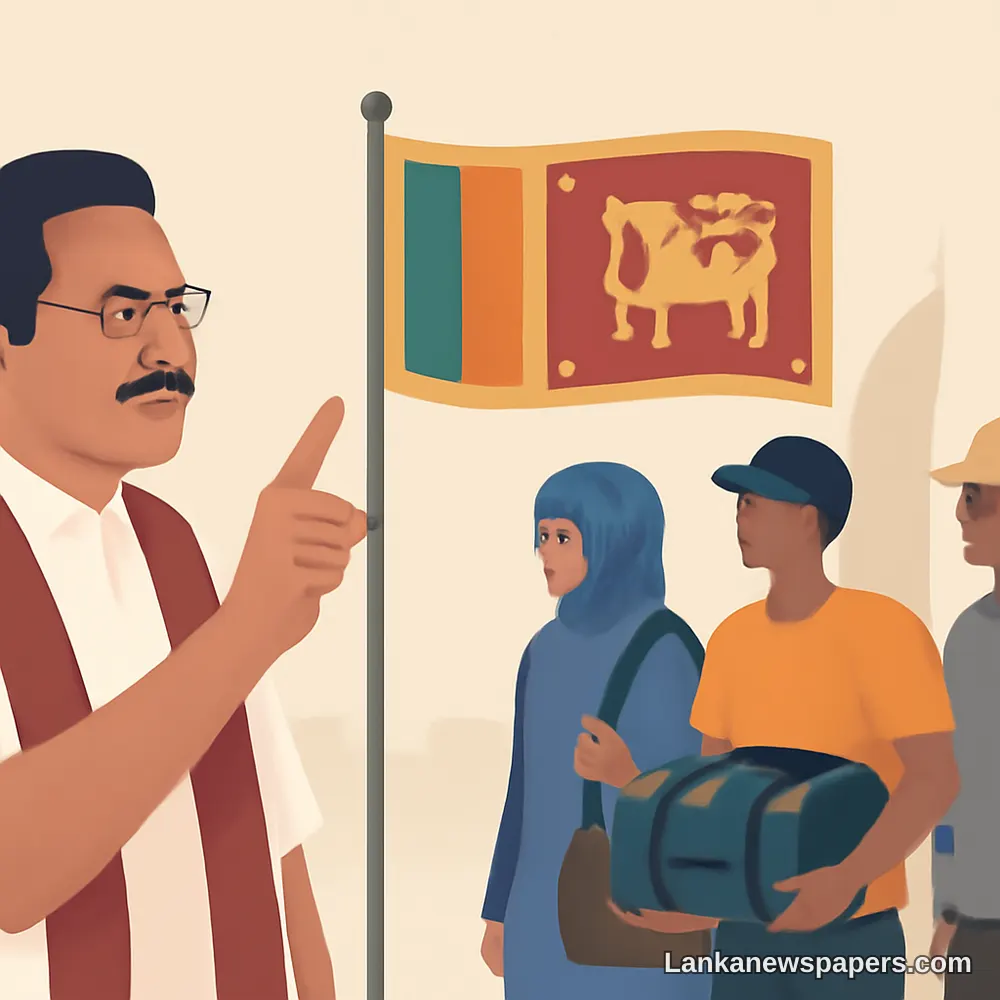
President Mahinda Rajapaksa has called for stronger measures to protect Sri Lankan migrant workers employed in Gulf countries, acknowledging that while remittances from these workers provide significant economic benefits to the nation, many face humiliation and poor treatment abroad.
A Vital But Vulnerable Workforce
Sri Lankan workers in the Gulf region represent one of the country's most important sources of foreign income, with billions of rupees in remittances flowing back to the island each year. Despite this economic contribution, a large number of these workers — many of them women employed as domestic helpers — endure difficult and often degrading conditions at the hands of their employers.
Rajapaksa's remarks highlight a long-standing tension in Sri Lanka's labour migration policy: the country depends heavily on the income generated by overseas workers, yet has struggled to ensure their safety, dignity, and legal protection once they are abroad.
Calls for Systemic Change
The President urged authorities and relevant agencies to take concrete steps to safeguard the rights and welfare of Sri Lankans working in the Gulf. Among the key concerns raised were:
- Exploitation and abuse faced by domestic workers, particularly women
- Lack of adequate legal recourse for workers mistreated by employers
- The need for stronger bilateral agreements with Gulf nations to enforce worker protections
- Improved pre-departure training and awareness programmes for prospective migrants
Economic Gains Must Not Come at Human Cost
The labour export sector is profitable for the country, but that profit must never come at the expense of the dignity and safety of our people working overseas.
Sri Lanka has for decades sent hundreds of thousands of workers to countries such as Saudi Arabia, Kuwait, the United Arab Emirates, and Qatar. While many return with savings that transform their families' lives, a troubling number come back with accounts of mistreatment, unpaid wages, and in some cases, severe abuse.
Rights organisations have repeatedly urged the Sri Lankan government to take a firmer stance in negotiations with Gulf states, demanding enforceable protections rather than relying solely on voluntary commitments from host countries.
A Renewed Commitment
The President's statement is being viewed as a renewed signal of intent to address these issues at the policy level. Observers note, however, that meaningful reform will require sustained diplomatic pressure, stronger monitoring mechanisms, and genuine political will to prioritise human dignity alongside economic interests.
For the thousands of Sri Lankan families whose livelihoods depend on a loved one working far from home, the hope is that this time, words will translate into lasting action.


💬 Join the Discussion 0
Be the first to share your view on this story.