CRIB's Bold Vision to Draw Every Sri Lankan Into the Formal Financial System
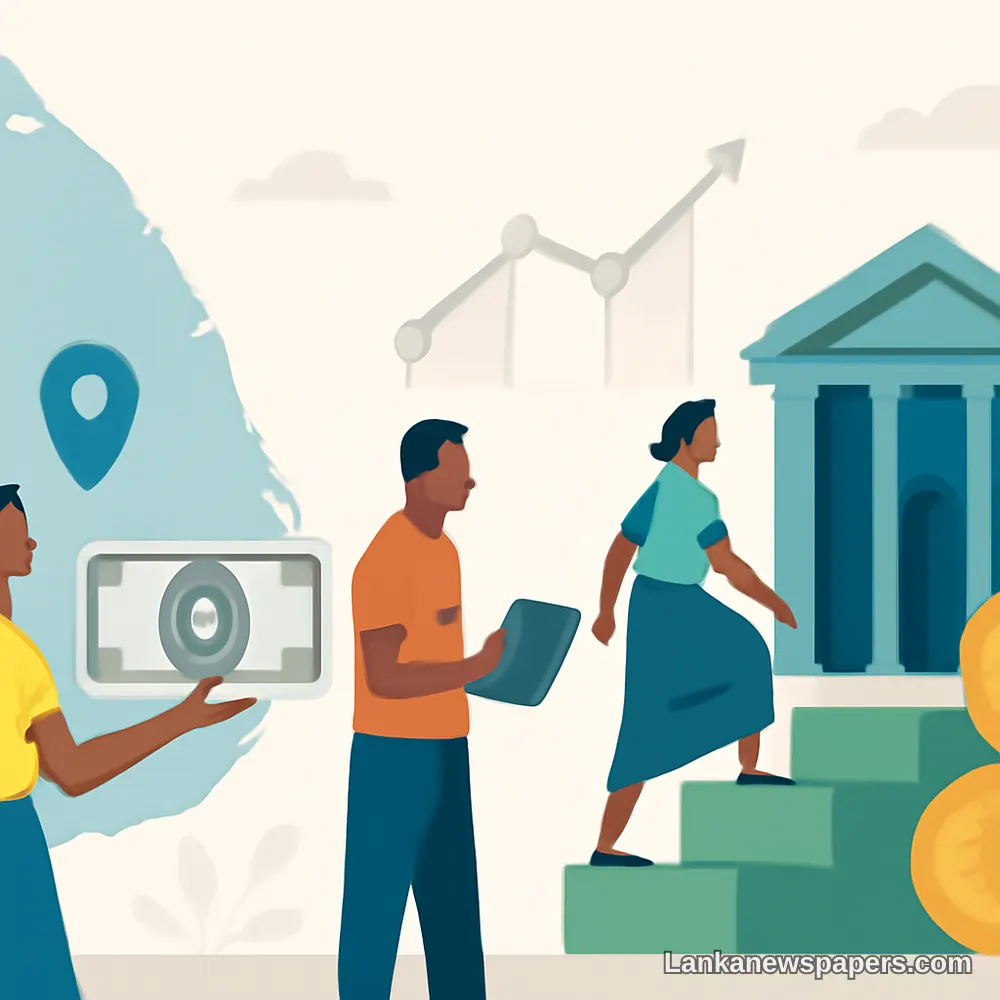
The Credit Information Bureau of Sri Lanka, commonly known as CRIB, is advancing an ambitious plan to bring the entire population into the formal economy — a move that could transform the way millions of Sri Lankans access financial services and build economic security.
Bridging the Gap Between Informal and Formal Finance
A significant portion of Sri Lanka's population continues to operate outside the formal financial system, relying on informal lending networks, unregistered money lenders, and cash-based transactions that leave little to no traceable credit history. CRIB's initiative aims to change this by expanding its data collection and credit reporting frameworks to capture a far broader segment of society.
The bureau is looking to incorporate financial data from non-traditional sources — including microfinance institutions, cooperative societies, and utility payment records — to help build credit profiles for individuals who have never previously held a formal bank account or loan.
What This Means for Ordinary Sri Lankans
For many low-income earners and rural communities, the absence of a formal credit history has long served as a barrier to accessing bank loans, housing finance, and other regulated financial products. By widening the scope of data used to assess creditworthiness, CRIB hopes to open doors for these underserved groups.
- Individuals with no formal banking history could gain access to regulated credit for the first time
- Microfinance borrowers may see their repayment records formally recognised
- Cooperatives and rural lending bodies could be integrated into the national credit reporting network
- Utility and telecommunications payment behaviour may be factored into credit assessments
Strengthening Financial Inclusion Nationally
The push aligns with broader national efforts to deepen financial inclusion across Sri Lanka, particularly as the country continues its economic recovery following the 2022 financial crisis. Greater participation in the formal economy is widely seen by policymakers and international financial institutions as essential to sustainable growth and reducing systemic vulnerability.
CRIB's expanded role would also benefit lenders, who would gain access to richer, more reliable data when assessing loan applications — potentially reducing default risks while enabling more confident lending to previously overlooked segments of the population.
Challenges Ahead
Despite the promise of the initiative, significant challenges remain. Bringing informal sector participants into a structured credit reporting system requires not only technological investment but also extensive public awareness campaigns and regulatory coordination across multiple sectors. Privacy concerns and data security will also need to be carefully addressed as the bureau expands its information gathering.
Nevertheless, CRIB's direction signals a meaningful shift in how Sri Lanka approaches financial identity — one that could ultimately give every citizen a recognised place within the country's formal economy.


💬 Join the Discussion 0
Be the first to share your view on this story.