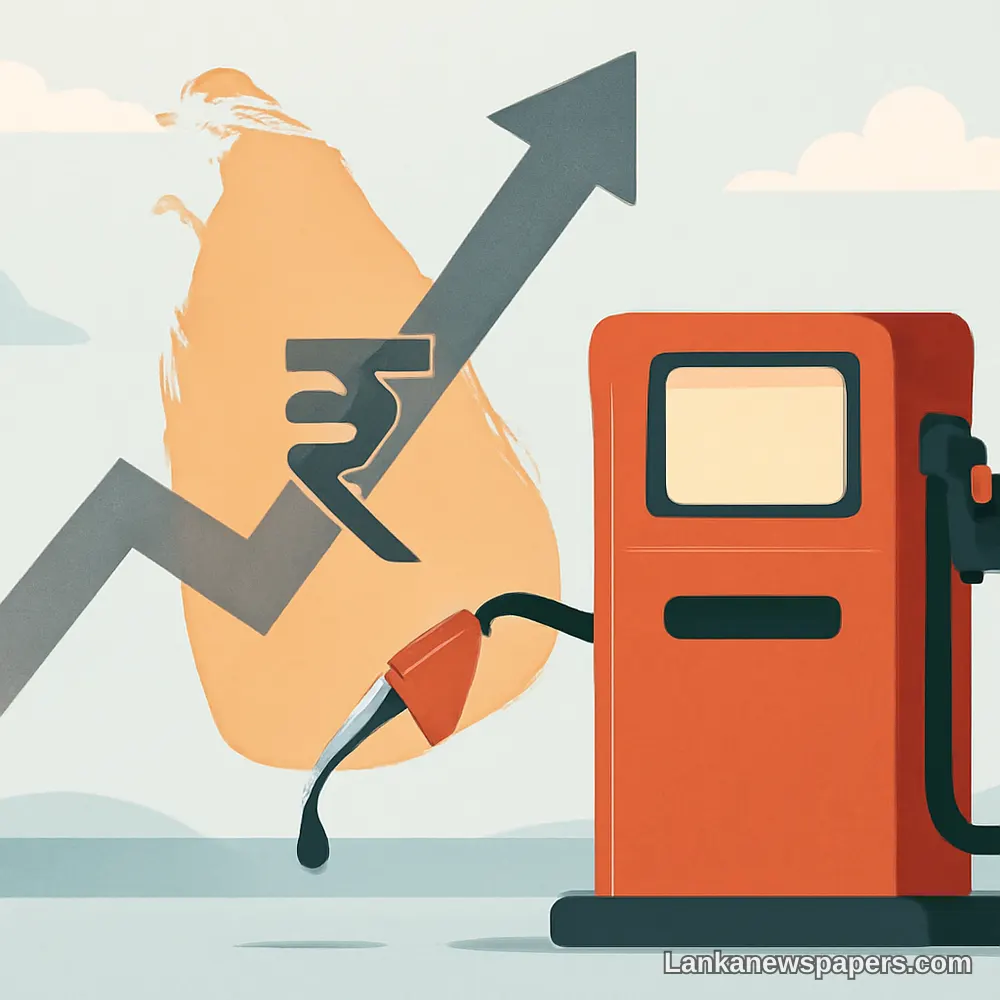
Sri Lanka has announced an upward revision to fuel prices, with petrol prices climbing by more than Rs. 24, placing fresh pressure on consumers and businesses already navigating a challenging economic environment.
Revised Prices Take Effect
The price adjustment, announced by the relevant authorities, marks a notable increase for motorists and transport operators across the island. The rise of over Rs. 24 per litre on petrol is expected to have a ripple effect across multiple sectors, including public transport, logistics, and everyday household expenditure.
Impact on Consumers and the Economy
For ordinary Sri Lankans, the hike represents yet another strain on household budgets at a time when the cost of living remains a pressing concern. Private vehicle owners, three-wheeler operators, and small businesses that rely heavily on fuel are among those likely to feel the impact most acutely.
Transport industry stakeholders are expected to review fare structures in response to the revised prices, a move that could further affect commuters who depend on buses and other modes of hired transport on a daily basis.
Broader Context
Fuel pricing in Sri Lanka has undergone significant fluctuations in recent years, closely tied to global oil market movements and the country's ongoing efforts to stabilise its economy following the severe financial crisis of 2022. Authorities periodically revise fuel prices in line with international crude oil prices and foreign exchange considerations.
The government has not yet issued a detailed statement outlining the specific reasoning behind the current revision or indicating whether further adjustments are anticipated in the near term.
Members of the public and industry groups are urged to monitor official announcements from the Ceylon Petroleum Corporation and relevant government ministries for the most up-to-date pricing information.


💬 Join the Discussion 0
Be the first to share your view on this story.