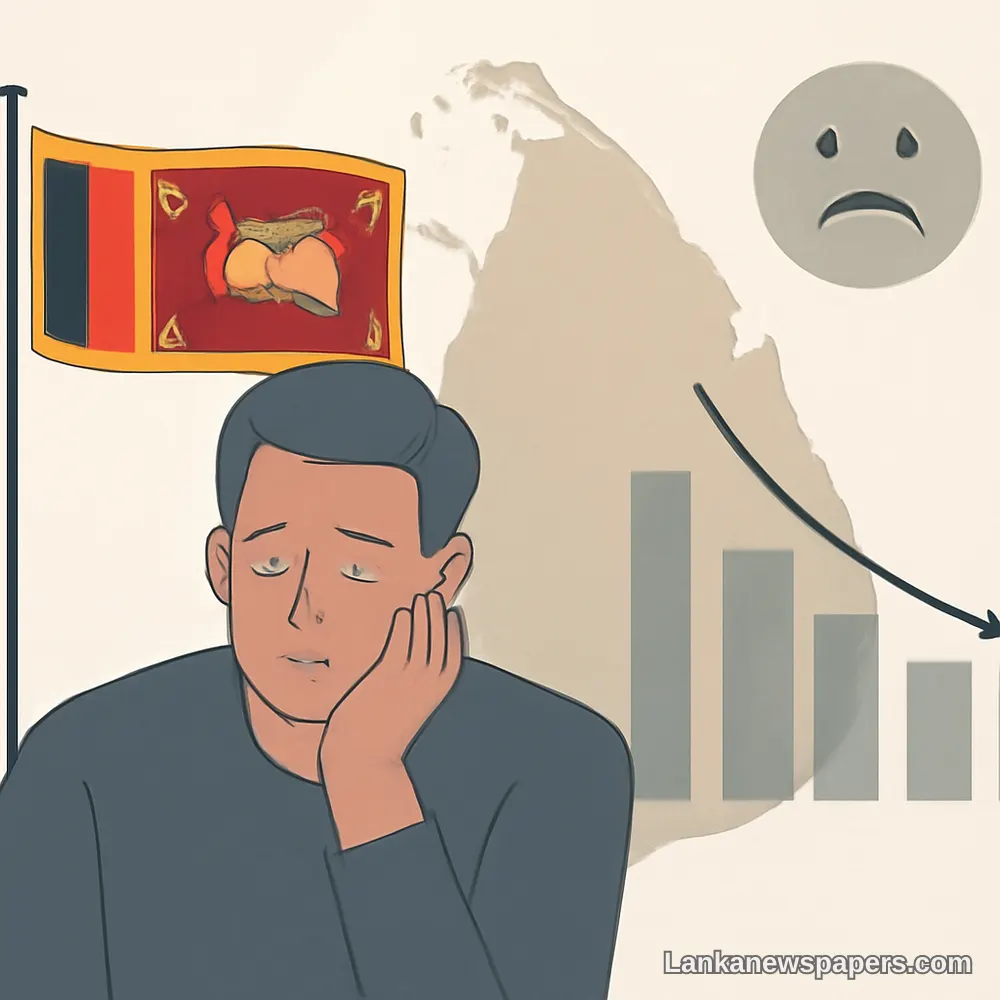
Sri Lanka has once again found itself placed among the least happy countries in the world, according to the newly released World Happiness Report 2026, delivering a sobering assessment of the island nation's overall wellbeing.
A Troubling Global Ranking
The annual World Happiness Report, widely regarded as one of the most comprehensive global measures of human wellbeing, has ranked Sri Lanka toward the lower end of its international index. The findings reflect the continued hardships faced by millions of Sri Lankans in the wake of the country's devastating economic crisis in recent years.
The report evaluates countries based on a range of factors including income levels, social support, life expectancy, freedom to make life choices, generosity, and perceptions of corruption. Sri Lanka's performance across several of these indicators has contributed to its unfavourable standing on the global stage.
Economic Struggles Casting a Long Shadow
Sri Lanka's placement among the world's unhappiest nations comes as little surprise to many observers, given the prolonged economic turmoil the country has endured. The 2022 economic collapse — marked by severe shortages of fuel, medicine, and essential goods — left deep psychological and financial scars on the population that continue to affect daily life.
Although the government has made strides in stabilising the economy through an International Monetary Fund bailout programme, the recovery remains uneven, and many ordinary citizens are still grappling with the high cost of living, unemployment, and reduced public services.
What the Report Measures
The World Happiness Report draws primarily on data from the Gallup World Poll, which asks respondents to evaluate their own lives on a scale from zero to ten. Key contributing factors assessed include:
- GDP per capita and economic security
- Access to social support networks
- Healthy life expectancy at birth
- Freedom to make personal life decisions
- Levels of generosity within society
- Public trust and perceptions of government and business corruption
A Call for Reflection
The report serves as a stark reminder that economic recovery alone is insufficient — restoring the happiness and wellbeing of a population requires sustained investment in social trust, mental health, and equitable opportunity.
Civil society groups and policy analysts have urged the Sri Lankan government to treat the country's happiness ranking not merely as a statistical footnote, but as a meaningful indicator that should guide public policy priorities moving forward.
As Sri Lanka navigates its path toward recovery, advocates stress the importance of addressing not just macroeconomic indicators, but the lived experiences of everyday people — ensuring that growth translates into genuine improvements in quality of life for all citizens.

💬 Join the Discussion 0
Be the first to share your view on this story.