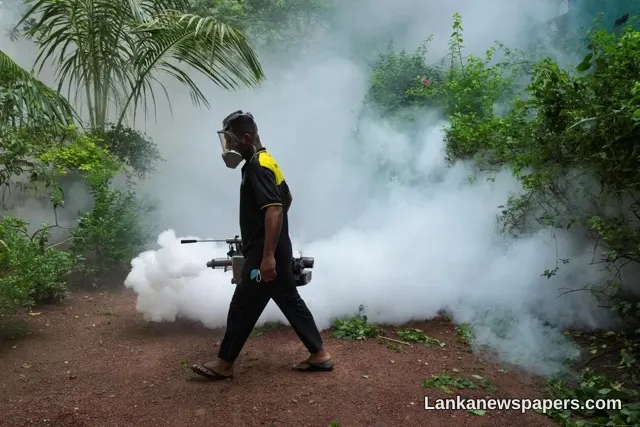
Sri Lanka is facing a serious public health challenge as dengue fever continues to spread across the island, with authorities recording 67,143 cases and 47 deaths reported so far this year.
A Growing Public Health Emergency
The latest figures paint a concerning picture of the dengue situation in Sri Lanka, with both case numbers and fatalities climbing steadily. Health officials are urging the public to take immediate preventive action as the outbreak shows little sign of slowing down.
Dengue fever, transmitted through the bite of the Aedes aegypti mosquito, remains one of the most persistent and dangerous vector-borne diseases affecting Sri Lanka. The country's tropical climate and seasonal rainfall create ideal breeding conditions for the mosquito, making dengue a recurring annual threat.
What the Public Can Do
Health authorities continue to remind residents that prevention begins at home. Key steps to reduce the risk of dengue transmission include:
- Eliminating stagnant water collections around homes, including in flowerpots, tyres, and containers
- Using mosquito repellents and protective clothing, especially during early morning and evening hours
- Ensuring proper disposal of waste that may collect rainwater
- Seeking immediate medical attention if symptoms such as high fever, severe headache, or joint pain develop
A Call for Urgent Action
Dengue is preventable, and every household has a role to play in breaking the transmission cycle before the situation worsens further.
With over 67,000 cases already recorded, medical professionals and public health officials are stressing the urgency of community-level action. Hospitals across affected districts are managing increased patient loads, placing additional pressure on an already stretched healthcare system.
Sri Lankans are urged to remain vigilant, cooperate with local health authorities conducting inspections, and report potential mosquito breeding sites in their communities without delay.



💬 Join the Discussion 4
See what readers are saying — and add your view.
anyone know if colombo hospitals are coping or not? genuine question.
67000 cases and still drains full of water near my house. unbelievable.
goverment always late to act. every year same story with dengue.
true no, they only talk after ppl die.