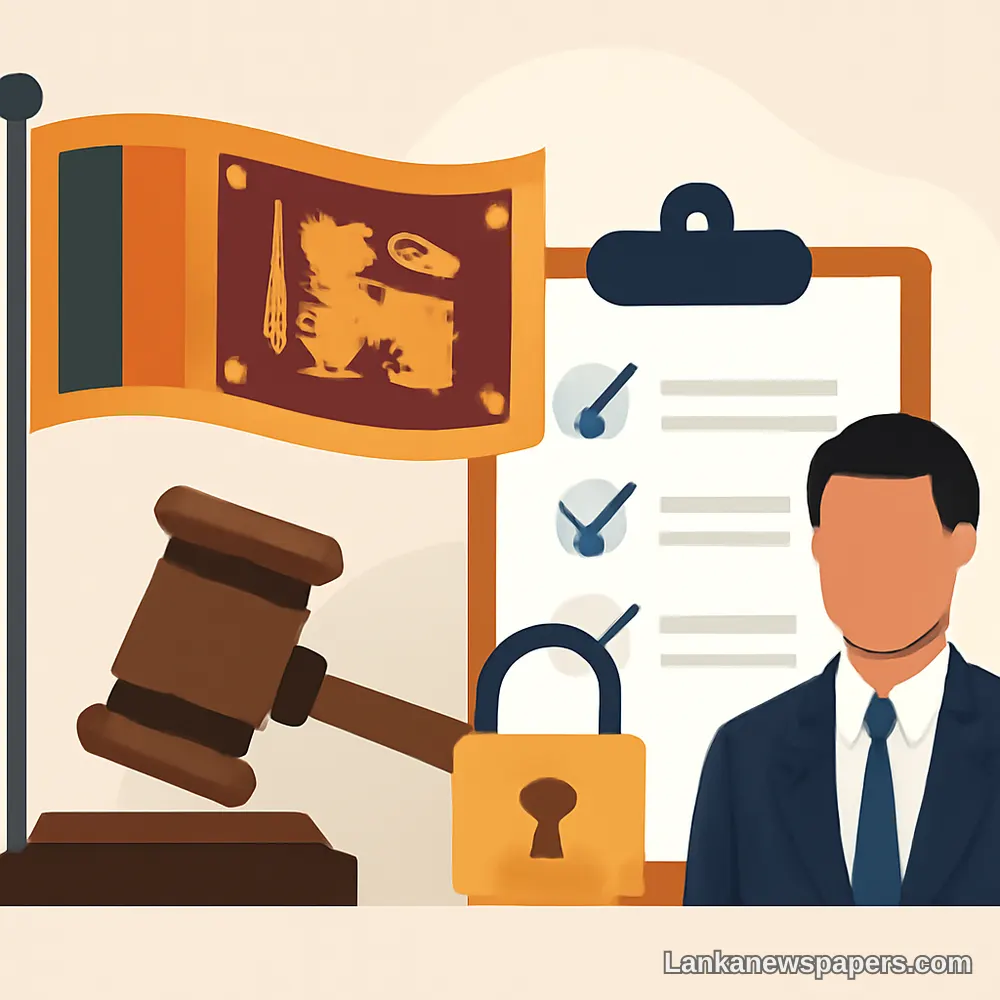
Sri Lanka is set to implement new regulations governing the exercise of presidential pardons, a significant development that touches on the intersection of executive power and the country's justice system.
Changes to the Pardon Process
The proposed rules are aimed at bringing greater structure and transparency to the process by which the President grants pardons to convicted individuals. Presidential pardons have long been a subject of public debate in Sri Lanka, with critics frequently raising concerns over the lack of clear guidelines surrounding their use.
The new framework is expected to introduce formal procedures that must be followed before a pardon is considered and granted, addressing longstanding calls for accountability in the exercise of this executive privilege.
A Power Under Scrutiny
The power to grant pardons is enshrined in the Sri Lankan Constitution, granting the sitting President broad authority to pardon, suspend, or commute sentences handed down by the courts. However, the absence of defined procedural safeguards has drawn criticism from legal experts, civil society groups, and opposition politicians over the years.
Several high-profile pardon decisions in recent history have sparked public controversy, intensifying demands for a more regulated and transparent approach to the process.
Significance for Sri Lanka's Justice System
Legal analysts have noted that the introduction of clear rules could help restore public confidence in the fairness of the justice system, ensuring that pardons are not perceived as politically motivated decisions.
- Formal criteria for eligibility may be established under the new rules
- A structured review process could be introduced prior to any pardon being granted
- Greater oversight mechanisms are anticipated as part of the regulatory changes
The move is being watched closely by legal professionals and rights advocates, who have long argued that unchecked executive clemency poses a risk to judicial independence and public trust in state institutions.
Further details on the specific provisions of the new regulations are expected to be made public in the coming weeks, with stakeholders urging the government to conduct broad consultations before finalising the framework.


💬 Join the Discussion 3
See what readers are saying — and add your view.
who is going to monitor this? same goverment ppl monitoring themselves?
about time, too many pardons given for political reasons only
exactly, but will they actually follow these new rules or just find loopholes