Minister Accepts Responsibility as Sri Lanka's Deadliest Prison Riot Leaves 26 Dead
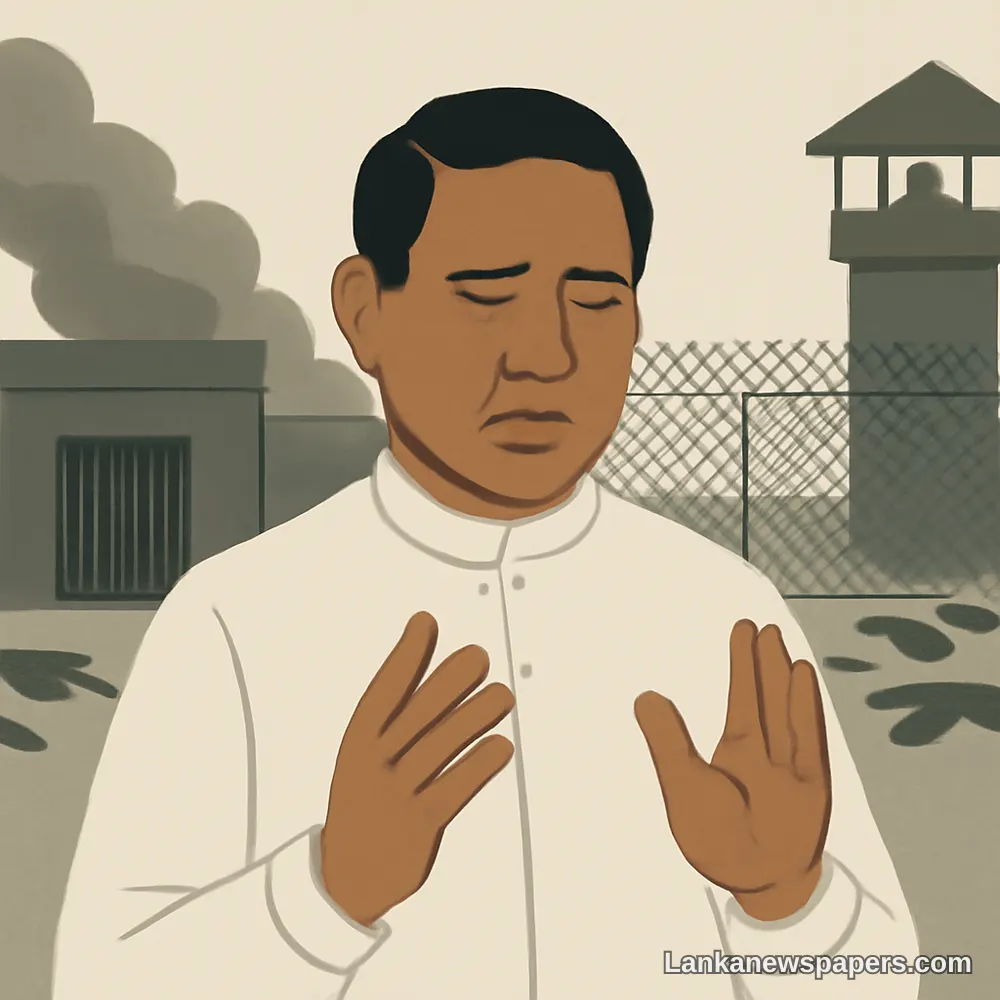
Nation Reels From Unprecedented Prison Violence
Sri Lanka is confronting the aftermath of the deadliest prison riot in its history, after violence erupted inside a correctional facility leaving 26 inmates dead. The incident has sent shockwaves across the country and drawn urgent calls for accountability at the highest levels of government.
Minister Steps Forward Amid Public Outcry
In the wake of the tragedy, the minister responsible for the prison system publicly acknowledged his role in the failure, stating plainly, "I accept responsibility." The admission came as citizens and opposition figures demanded answers over how violence of such a catastrophic scale was allowed to unfold within a state-run institution.
The minister moved to reassure the public that authorities had since regained full control of the facility, insisting that the situation had been stabilised and that no further threat to order remained within the prison.
Deadliest Incident of Its Kind in Sri Lankan History
The riot is being described as the single most deadly prison disturbance ever recorded in Sri Lanka. The loss of 26 lives within a correctional facility raises profound questions about the conditions inmates are subjected to, the adequacy of security arrangements, and the overall management of the country's prison system.
Overcrowding has long been cited as a persistent and dangerous problem in Sri Lankan prisons, with human rights advocates repeatedly warning that deteriorating conditions could give rise to exactly the kind of explosive violence that has now claimed dozens of lives.
Calls for Independent Investigation
Critics and civil society groups are pressing the government to go beyond ministerial statements and launch a thorough, independent investigation into the circumstances that led to the riot. Among the key concerns being raised are:
- The root causes that triggered the violent outbreak among inmates
- Whether prison staff responded adequately and in a timely manner
- The living conditions and levels of overcrowding inside the facility
- What systemic reforms are needed to prevent a recurrence
Nation Awaits Answers
The minister's acceptance of responsibility, while notable, has done little to quell public anger over a tragedy that many believe was preventable.
As Sri Lanka mourns the lives lost, attention is now turning to what concrete steps the government will take to reform the prison system and ensure that the conditions which led to this disaster are urgently addressed. Families of the deceased are expected to demand further transparency as investigations proceed in the days ahead.



💬 Join the Discussion 1
See what readers are saying — and add your view.
Accepting responsibility means nothing if 26 ppl are already dead