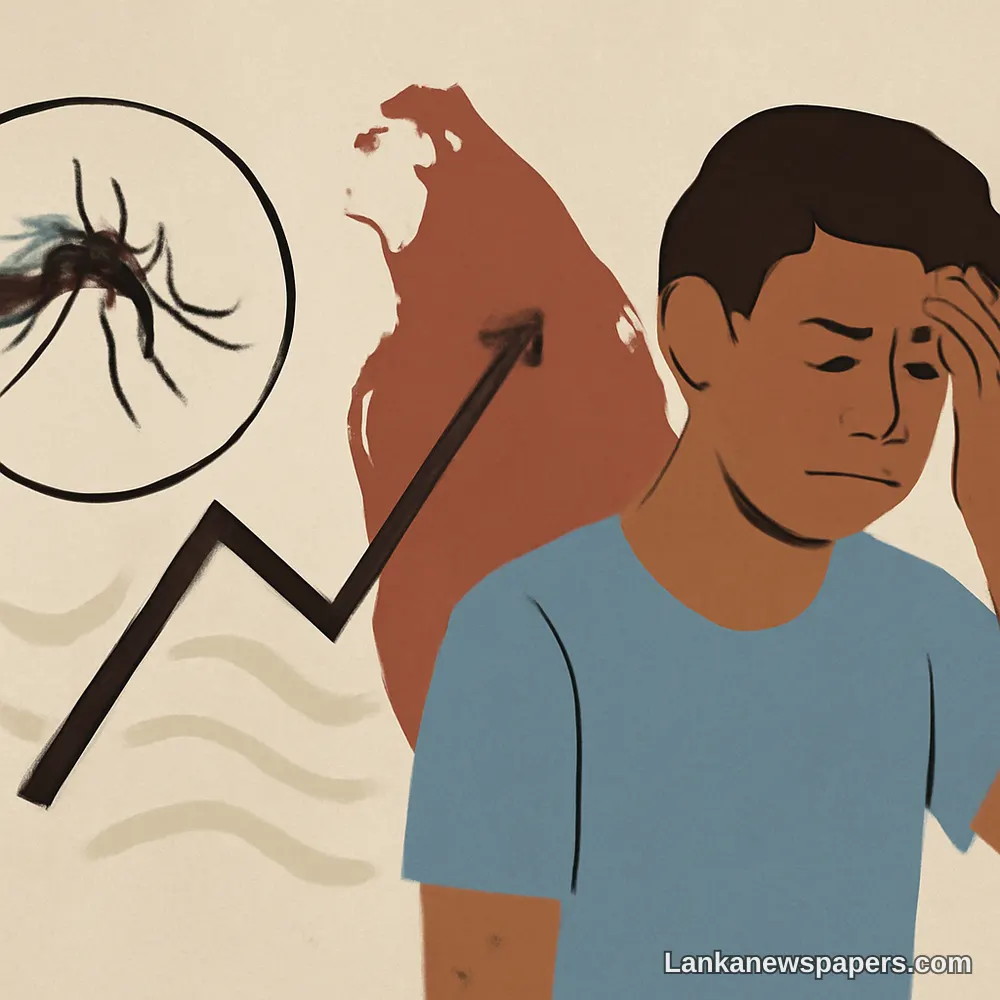
Island-wide dengue activity intensifies in mid-July
Sri Lanka is grappling with a significant rise in dengue fever cases, with health authorities reporting nearly 8,000 new infections recorded during the second week of July alone. The sharp uptick has raised fresh concerns among public health officials as the country continues to battle one of its most persistent vector-borne disease threats.
A recurring seasonal crisis
Dengue fever, transmitted through the bite of the Aedes aegypti mosquito, has long posed a serious public health challenge for Sri Lanka. The mid-year period, which coincides with seasonal rainfall and increased mosquito breeding conditions, typically sees a surge in reported cases across the island. This year's figures suggest the situation is following a particularly concerning trajectory.
What the numbers mean
Nearly 8,000 cases in a single week represents a heavy burden on the country's healthcare system. Hospitals and clinics in affected districts are expected to experience heightened demand for medical attention as patients present with classic dengue symptoms, which include:
- High fever and severe headaches
- Pain behind the eyes
- Joint and muscle pain
- Nausea and skin rashes
- In severe cases, bleeding complications requiring urgent hospitalisation
Public urged to take preventive action
Health authorities continue to stress the critical importance of eliminating mosquito breeding sites in and around homes, schools, and workplaces. Stagnant water in containers, tyres, flowerpots, and blocked drains remains the primary environment in which the Aedes mosquito breeds and multiplies.
Preventing dengue begins at home. Removing standing water and maintaining clean surroundings are the most effective measures every Sri Lankan can take right now.
Residents across all provinces are encouraged to seek prompt medical attention if dengue symptoms develop, as early treatment significantly reduces the risk of the disease progressing to its more dangerous haemorrhagic form.
Authorities on alert
The Epidemiology Unit of the Ministry of Health is closely monitoring the situation and coordinating responses with regional health offices. Fogging operations and community awareness campaigns are expected to be intensified in high-risk areas as officials work to bring the outbreak under control before case numbers climb further.
Sri Lankans are reminded that dengue prevention is a collective responsibility, and community cooperation with health authorities remains essential in containing the spread of this potentially life-threatening disease.



💬 Join the Discussion 1
See what readers are saying — and add your view.
8000 in one week only?? actual number must be way higher