Sri Lankan Universities Switch to Online Learning as Dengue Crisis Surpasses 65,000 Cases
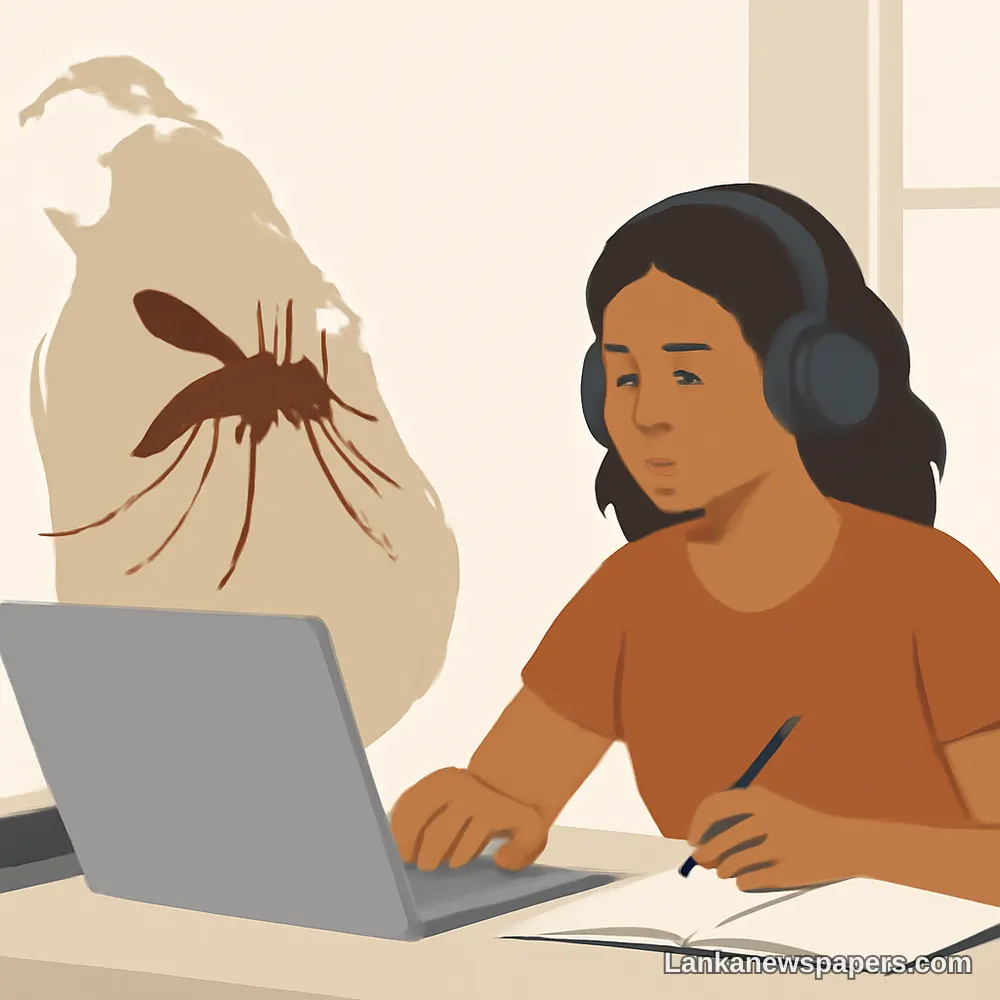
Sri Lanka's university system has been forced to shut its physical doors and transition to online learning as the island grapples with a rapidly escalating dengue outbreak, with confirmed cases now exceeding 65,000 across the country.
Universities Respond to Public Health Emergency
Higher education institutions across Sri Lanka have taken the precautionary step of closing their campuses and moving academic activities to virtual platforms in a bid to curb the spread of the mosquito-borne illness. The decision reflects growing concern among health and education authorities about the risk of large student gatherings on university grounds during the outbreak.
University campuses, which typically bring together thousands of students, academic staff, and administrative personnel in close proximity, have been identified as environments that could accelerate transmission of the dengue virus if left open during a surge of this scale.
Dengue Toll Mounts Across the Island
The outbreak has placed enormous pressure on Sri Lanka's public health system, with case numbers climbing steadily to surpass the 65,000 mark. Health officials have been urging citizens to eliminate mosquito breeding grounds around their homes and seek immediate medical attention at the first sign of symptoms, which commonly include high fever, severe headache, pain behind the eyes, joint and muscle pain, and skin rashes.
- Cases have been reported across multiple provinces, with urban and suburban areas particularly affected
- The Aedes aegypti mosquito, the primary carrier of the dengue virus, thrives in stagnant water found in discarded containers, tyres, and poorly maintained drains
- Health authorities have intensified fogging and vector control operations in high-risk areas
- Citizens are being advised to use mosquito repellent and wear protective clothing
Academic Continuity Under Threat
The shift to online classes poses a fresh challenge for Sri Lankan universities, many of which are still navigating connectivity and resource gaps following disruptions caused by previous national crises. Students in rural areas in particular may face difficulties accessing stable internet connections required for virtual lectures and coursework.
University authorities have assured students that academic calendars will be managed carefully to minimise disruption to examinations and the completion of the academic year.
A Recurring National Challenge
Dengue has long been a recurring seasonal threat in Sri Lanka, with outbreaks typically peaking during and after monsoon periods when standing water becomes more prevalent. However, the scale of the current outbreak — surpassing 65,000 reported cases — has prompted an unusually strong institutional response, extending beyond the health sector into education.
Public health experts are calling on local government bodies, community leaders, and households to redouble their efforts in eliminating breeding sites, warning that without collective action, case numbers could continue to climb in the weeks ahead.


💬 Join the Discussion 0
Be the first to share your view on this story.