Sri Lankan Universities Shut Doors and Go Online as Dengue Crisis Surpasses 65,000 Cases
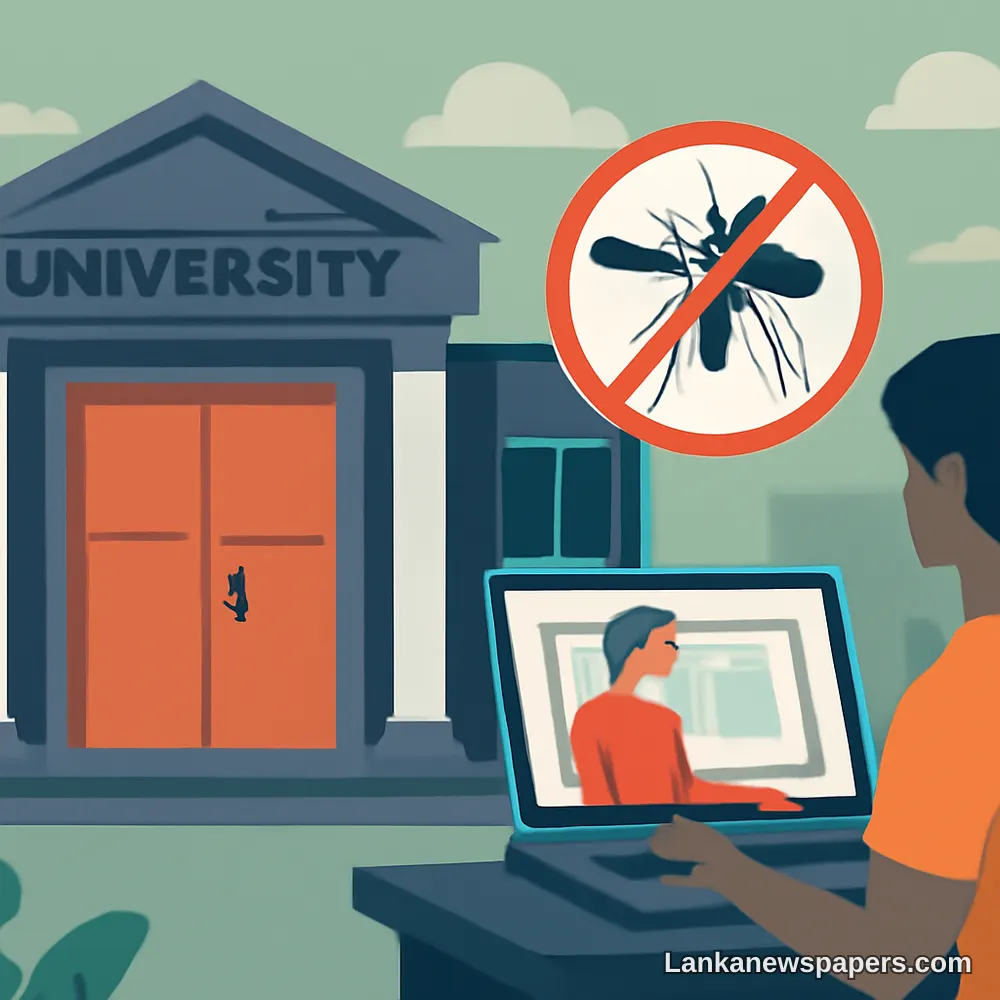
Sri Lankan universities have been forced to close their physical campuses and transition to online learning as the country grapples with a rapidly escalating dengue fever outbreak, with confirmed cases island-wide now exceeding 65,000.
Universities Switch to Remote Learning
In a significant move aimed at protecting students and staff, higher education institutions across Sri Lanka have suspended in-person classes and shifted to virtual platforms. The decision reflects growing alarm among health authorities and university administrators over the speed at which dengue is spreading, particularly in densely populated areas where student accommodation and campus environments can accelerate transmission.
The closure of university campuses marks one of the more dramatic public health responses to the current outbreak, underscoring how seriously officials are treating the threat posed by the mosquito-borne illness.
A Mounting Public Health Emergency
The dengue situation in Sri Lanka has deteriorated sharply, with the total number of reported cases surpassing the 65,000 mark across the island. Health authorities have been on high alert as hospitals in multiple provinces report increased admissions of patients suffering from dengue fever and its more severe complications.
Dengue, transmitted through the bite of the Aedes mosquito, tends to surge during and after periods of heavy rainfall, which creates ideal breeding conditions in stagnant water. Sri Lanka's tropical climate and seasonal rain patterns make the country particularly vulnerable to such outbreaks.
Concerns for Students and Communities
Students living in university hostels and boarding houses in urban centres are considered especially at risk, given the often-cramped living conditions and the presence of potential mosquito breeding sites nearby. By moving classes online, universities hope to reduce student congregation and limit exposure.
Public health officials have urged citizens to take immediate preventive measures, including:
- Eliminating stagnant water around homes and workplaces
- Using mosquito repellents and protective clothing
- Seeking prompt medical attention at the first sign of dengue symptoms such as high fever, severe headache, and joint pain
- Participating in community clean-up drives to reduce mosquito breeding grounds
Pressure on the Health System
With case numbers continuing to climb, Sri Lanka's health system faces considerable strain. Medical professionals and hospital staff are working under pressure to manage the patient load while ensuring quality care is maintained. The government has been called upon to intensify vector control operations and public awareness campaigns to bring the outbreak under control.
As the situation develops, university administrators have indicated they will monitor conditions closely before deciding when it may be safe to resume face-to-face instruction. For now, the priority remains the health and safety of students, academic staff, and the wider Sri Lankan community.


💬 Join the Discussion 0
Be the first to share your view on this story.