Sri Lanka's Dengue Crisis Deepens as Cases Surpass 66,000 and Death Toll Reaches 46
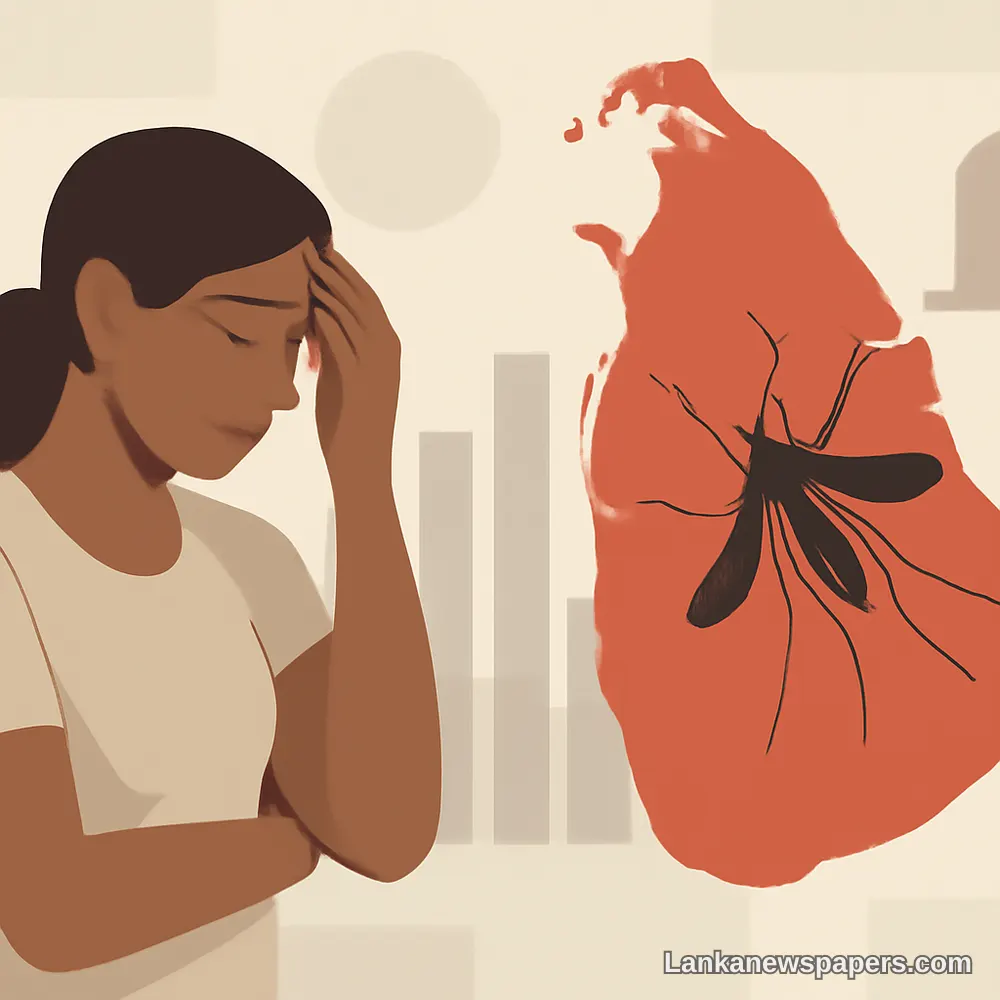
Island Nation Grapples With Mounting Dengue Burden
Sri Lanka is facing a serious public health crisis as the number of confirmed dengue fever cases has surpassed the 66,000 mark, with the disease claiming at least 46 lives across the country. The figures paint a sobering picture of the scale of the outbreak and the pressure it is placing on the nation's healthcare system.
A Disease That Strikes Without Warning
Dengue fever, transmitted through the bite of the Aedes aegypti mosquito, remains one of the most persistent vector-borne illnesses to afflict Sri Lanka year after year. The disease can progress rapidly from mild symptoms — including high fever, severe headaches, and joint pain — to life-threatening complications if not identified and treated in time.
Health authorities have repeatedly warned the public that stagnant water in and around homes, workplaces, and construction sites provides ideal breeding conditions for the mosquitoes responsible for spreading the virus.
What the Public Can Do
Officials and medical professionals continue to urge Sri Lankans to take practical preventive steps to curb the spread of dengue, including:
- Eliminating standing water in containers, flower pots, and drains around the home
- Using mosquito repellents and wearing protective clothing, especially during early morning and evening hours
- Seeking immediate medical attention if symptoms such as sudden high fever, rashes, or severe body pain develop
- Cooperating with health officers during community-level inspections and fumigation drives
Pressure on the Healthcare System
With case numbers already exceeding 66,000, hospitals around the island are under considerable strain. Medical staff are working to manage patient loads while ensuring those with severe dengue receive timely and adequate care. The situation is particularly concerning in densely populated urban areas and regions with inadequate waste management infrastructure.
Dengue is preventable — but it requires the collective effort of every community, every household, and every individual to break the cycle of transmission.
As the outbreak continues to evolve, health authorities are expected to intensify surveillance and awareness campaigns in the weeks ahead. Sri Lankans are encouraged to remain vigilant and report potential mosquito breeding sites to local health offices without delay.



💬 Join the Discussion 0
Be the first to share your view on this story.