Sri Lanka Acts to Tackle Prison Overcrowding Crisis Following Deadly Riot That Claimed 28 Lives
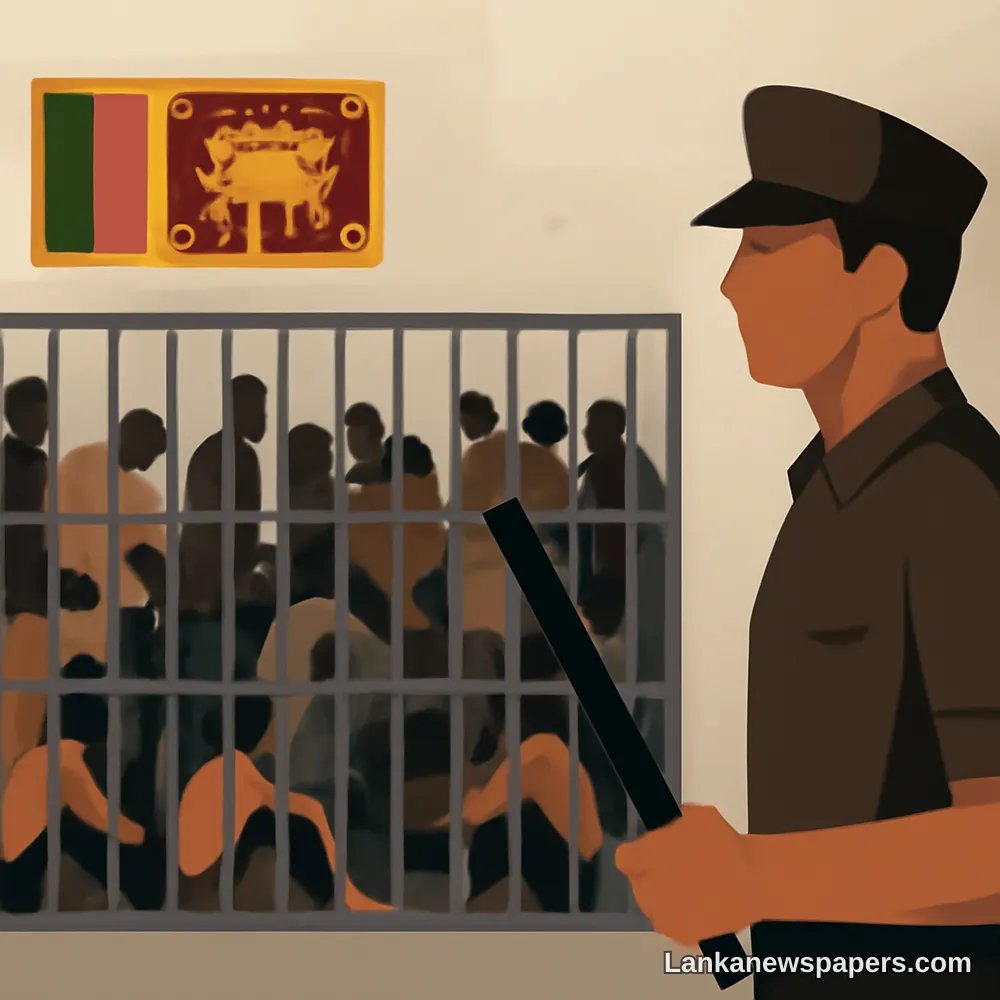
Sri Lanka's authorities have moved to address a long-standing crisis of prison overcrowding following a deadly riot that left 28 inmates dead, shining a harsh spotlight on the dire conditions within the country's correctional facilities.
A Tragedy That Forced Action
The violent uprising, which resulted in the deaths of 28 prisoners, has prompted the government to fast-track measures aimed at easing dangerous levels of congestion in Sri Lanka's jails. The incident has reignited urgent debate over the state of the island nation's prison system, which has for years struggled under the weight of a population far exceeding its intended capacity.
Overcrowding at the Root of the Crisis
Sri Lanka's prisons have long been identified as critically overcrowded, with facilities housing significantly more inmates than they were designed to accommodate. Experts and human rights advocates have repeatedly warned that such conditions create volatile environments where tensions can rapidly escalate into violence.
- Overcrowding has been a persistent and well-documented problem across Sri Lankan correctional institutions
- The riot has been widely attributed, at least in part, to the extreme pressures of overcrowded conditions
- Calls for systemic reform within the prison system have grown louder following the deadly incident
Government Response
In the wake of the riot, Sri Lankan authorities have signalled their intention to implement measures to reduce the prison population and improve conditions for those currently incarcerated. While specific policy details continue to be worked out, the government's response represents a significant acknowledgement that the status quo is no longer sustainable.
The deaths of 28 people within a state facility underscores the urgent need for meaningful and lasting reform of Sri Lanka's prison system.
Calls for Lasting Reform
Civil society groups and legal advocates are urging the government to go beyond immediate stopgap measures and commit to comprehensive, long-term reform. Among the steps being discussed are expanded use of non-custodial sentencing, expedited processing of remand prisoners — who make up a substantial portion of the prison population — and increased investment in prison infrastructure.
The tragedy has placed Sri Lanka's prison system firmly in the national and international spotlight, with many observers stressing that genuine reform cannot be delayed any further if further loss of life is to be prevented.


💬 Join the Discussion 3
See what readers are saying — and add your view.
What was the actual cause of the riot? Article doesnt say clearly.
28 people dead and only NOW they act? Too late men.
Exactly, goverment always waiting for tragedy to do something.