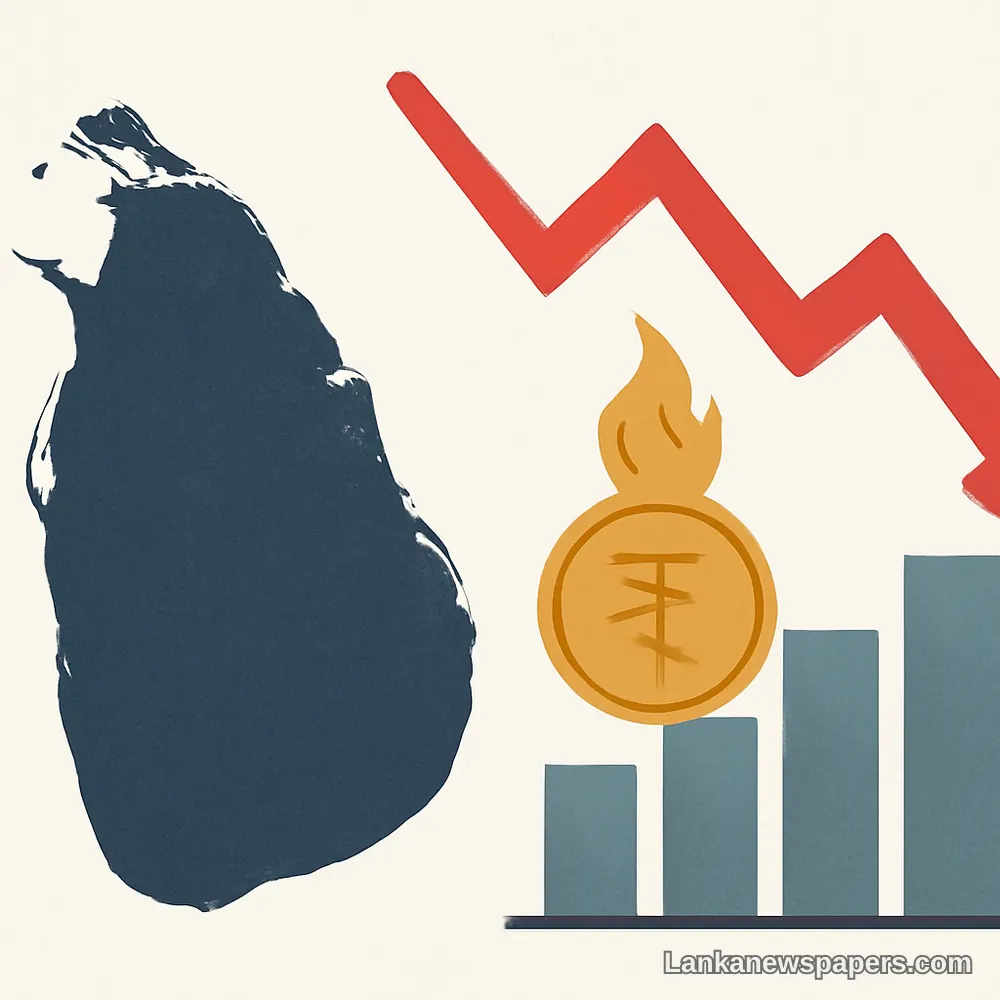
The Asian Development Bank (ADB) has projected a more challenging economic road ahead for Sri Lanka, forecasting slower growth rates and persistently higher inflation stretching through 2027, raising fresh concerns about the pace of the island nation's recovery from its worst financial crisis in decades.
Revised Growth Outlook
The Manila-based multilateral lender has tempered its earlier optimism about Sri Lanka's economic rebound, signalling that the recovery process will be more gradual than previously anticipated. The revised projections reflect a combination of both domestic vulnerabilities and external pressures that continue to weigh on the Sri Lankan economy.
Sri Lanka has been navigating a painful restructuring process following the devastating economic collapse of 2022, which triggered widespread fuel and medicine shortages, lengthy power cuts, and mass public protests that ultimately led to a change of government. While the country has made notable strides in stabilising its finances under an International Monetary Fund bailout programme, the ADB's latest assessment suggests the path to full recovery remains arduous.
Inflation Concerns Persist
Beyond sluggish growth, the ADB has flagged elevated inflation as an ongoing concern for Sri Lankan households and businesses. Rising prices are expected to continue exerting pressure on household purchasing power, particularly among lower-income segments of the population who are least equipped to absorb the burden of sustained cost-of-living increases.
The bank's warning comes at a critical juncture, as Sri Lankan authorities work to maintain fiscal discipline while simultaneously attempting to stimulate economic activity and restore investor confidence in the country.
Structural Challenges Remain
Analysts have long pointed to several deep-rooted structural issues that hamper Sri Lanka's growth potential, including:
- A narrow export base heavily reliant on garments and tourism
- Persistent foreign exchange vulnerabilities
- High levels of public debt requiring sustained management
- The need for broader tax reforms to generate stable government revenue
A Cautious Path Forward
Despite the sobering projections, the ADB's assessment is not without a degree of cautious optimism. The bank acknowledges that Sri Lanka has demonstrated a measure of macroeconomic resilience, and that continued commitment to reform implementation under the IMF programme will be essential to keeping the recovery on track.
Sri Lanka's ability to meet its medium-term growth targets will depend heavily on the consistency and quality of its reform agenda, as well as conditions in key trading partner economies.
For ordinary Sri Lankans, the ADB's forecast is a sobering reminder that the road to economic normalcy is far from over. Policymakers in Colombo will be under increasing pressure to balance fiscal responsibility with the urgent need to ease the burden on a population that has already endured years of economic hardship.


💬 Join the Discussion 1
See what readers are saying — and add your view.
until 2027 means what, after that suddenly everything will be fine ah?