
Government Moves to Ease Prison Overcrowding Following Deadly Unrest
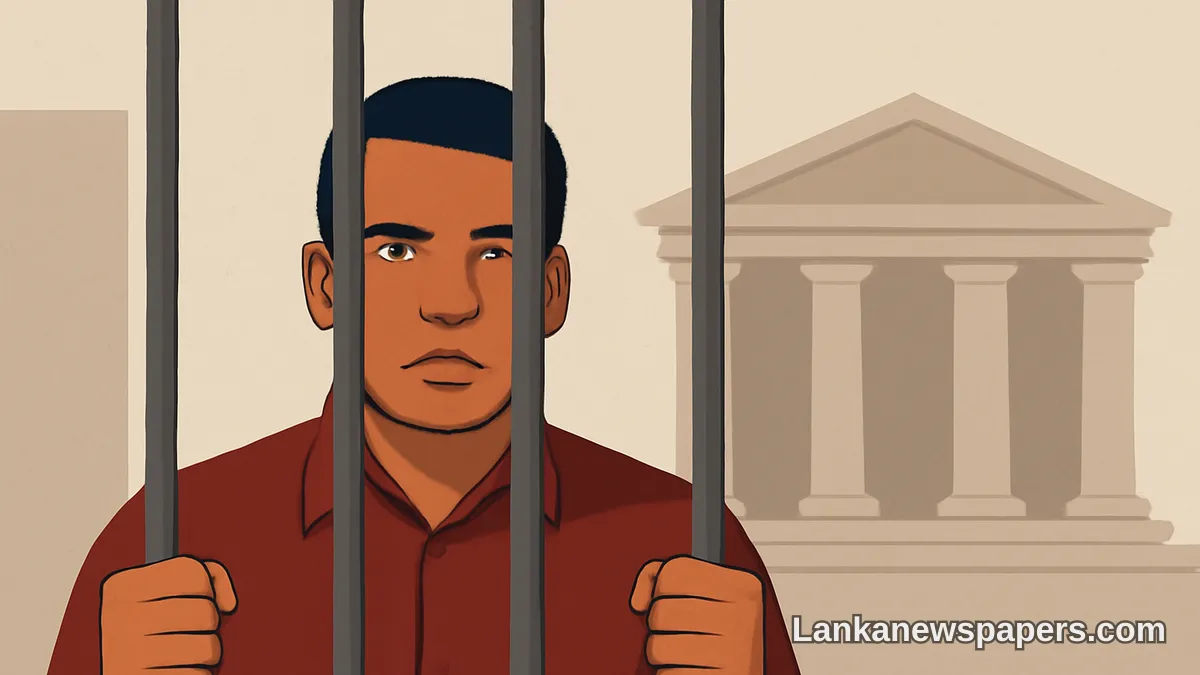
Sri Lanka's government is preparing to introduce legislation that would allow house arrest as an alternative to incarceration, a move prompted by a deadly riot that recently broke out inside one of the country's overcrowded prisons.
Riot Sparks Urgent Reform Push
The fatal prison riot has intensified long-standing concerns about the state of Sri Lanka's correctional facilities, where dangerously high inmate populations have created volatile and inhumane conditions. The unrest served as a stark reminder of the urgent need for systemic reform within the country's prison network.
Authorities have indicated that introducing a formal house arrest framework is among the key measures being considered to address the crisis, allowing certain categories of offenders to serve their sentences outside of prison walls under supervised conditions.
What the Proposed Law Could Mean
While full details of the proposed legislation have yet to be made public, the house arrest mechanism is expected to target non-violent and low-risk offenders, helping to reduce the burden on an already strained prison system. Such a policy shift would represent a significant departure from Sri Lanka's traditionally detention-heavy approach to sentencing.
- House arrest would serve as a legal alternative to conventional imprisonment
- The measure is aimed primarily at reducing dangerous overcrowding in prisons
- Implementation is expected to follow formal legislative approval in Parliament
A System Under Pressure
Sri Lanka's prisons have for years been flagged by human rights organisations and local advocates as critically overcrowded, with facilities often holding several times their intended capacity. The combination of limited resources, delayed judicial proceedings, and a high volume of remand prisoners has compounded the problem over successive governments.
The deadly riot has brought renewed urgency to reforms that advocates say have been overdue for decades.
The government now faces pressure to act swiftly and decisively, both to prevent further loss of life and to demonstrate a credible commitment to modernising the country's criminal justice system. Lawmakers and civil society groups will be watching closely as the proposed house arrest bill takes shape in the coming weeks.


💬 Join the Discussion 2
See what readers are saying — and add your view.
finally goverment doing something, prisons too overcrowded for so long
doing something after ppl died no? bit late no