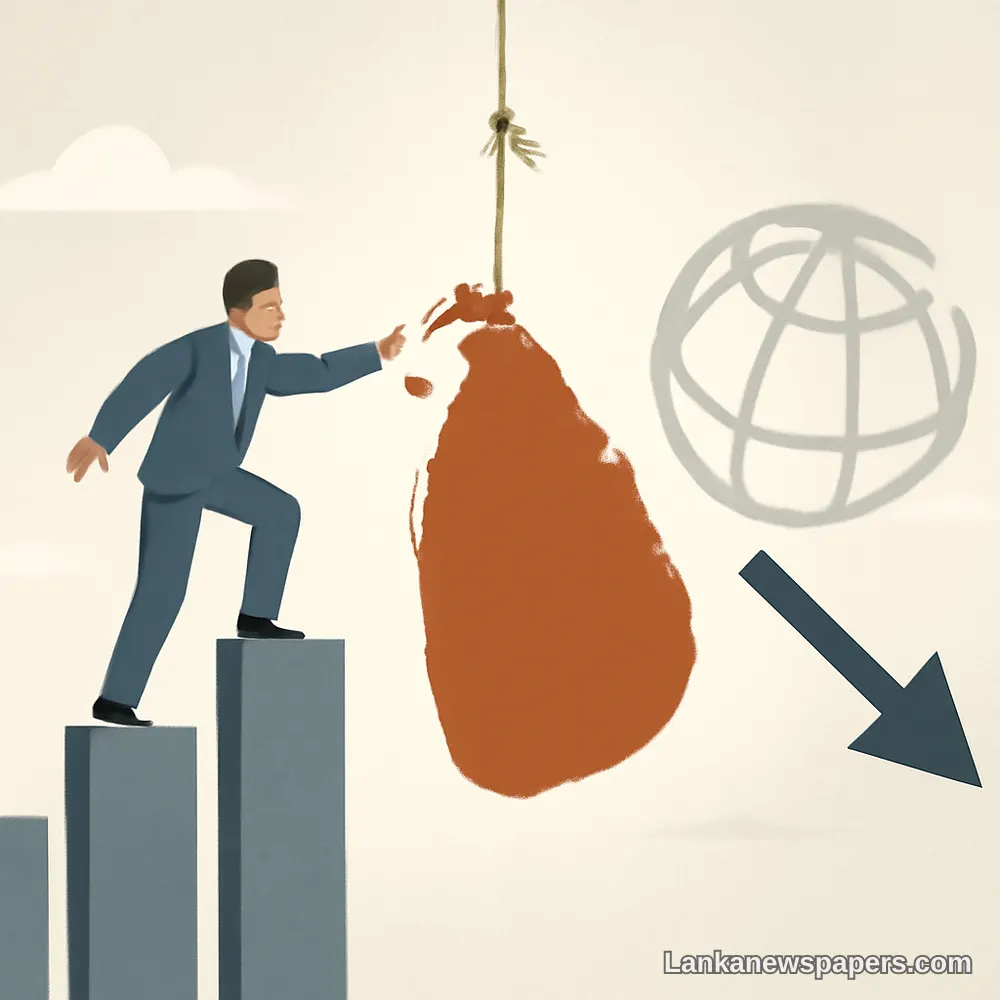
The World Bank has issued a cautionary note to Sri Lanka, warning that the country's recent reclassification to a higher income category remains fragile and could easily be reversed if the nation fails to sustain its economic reform momentum.
A Hard-Won but Vulnerable Milestone
Sri Lanka was upgraded in the World Bank's country income classifications following a period of intense economic restructuring, but the institution has made clear that this achievement should not be taken as a sign of full recovery. Officials have stressed that the reclassification reflects only a snapshot of progress and does not guarantee long-term stability.
The warning comes as Sri Lanka continues to navigate the aftermath of its worst economic crisis in decades, which saw foreign exchange reserves collapse, fuel and medicine shortages grip the country, and the government default on its external debt in 2022.
Reform Momentum Must Continue
The World Bank's caution underscores the importance of Sri Lanka maintaining the structural reforms it has undertaken as part of its International Monetary Fund bailout programme. Analysts have noted that any slippage in fiscal discipline, revenue collection, or debt restructuring negotiations could put the upgraded status at risk.
The country has made notable strides in stabilising its macroeconomic fundamentals, including bringing down inflation from historic highs and rebuilding foreign reserves to more comfortable levels. However, the World Bank's message is clear — these gains remain reversible.
What the Classification Means
The World Bank revises its country income groupings annually based on Gross National Income per capita figures. Moving into a higher bracket carries significance for a country's access to certain categories of concessional financing and its standing in the international development community.
- A downgrade would signal regression in Sri Lanka's recovery narrative.
- Sustained reform implementation is considered essential to consolidating gains.
- Debt restructuring with bilateral and private creditors remains a critical outstanding issue.
A Cautious Road Ahead
For Sri Lankan policymakers, the World Bank's remarks serve as both an acknowledgement of progress and a firm reminder that complacency carries real consequences. With general elections having recently reshaped the country's political landscape, the new administration faces the challenge of balancing reform commitments with the social pressures of a population still feeling the weight of the economic crisis.
Economists and civil society groups alike have echoed the World Bank's sentiment, urging the government to treat the income reclassification not as a finishing line, but as an early marker on a much longer road to genuine and inclusive economic recovery.



💬 Join the Discussion 2
See what readers are saying — and add your view.
middle income on paper only, people still struggling to buy vegetables
exactly, statistics and real life are two different things no