Sri Lanka Climbs Back to Upper-Middle-Income Status in Latest World Bank Rankings
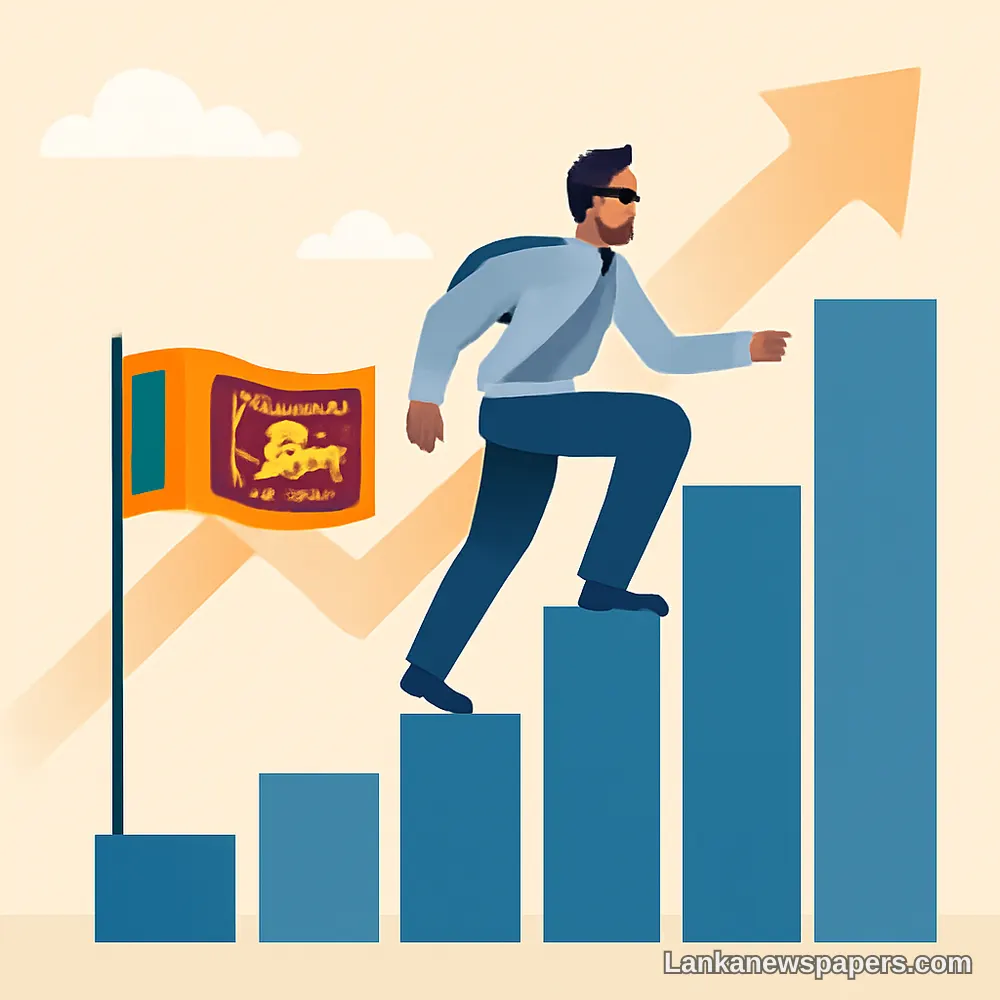
Sri Lanka has reclaimed its upper-middle-income country status according to the latest World Bank income classification update, marking a significant milestone in the island nation's ongoing economic recovery following one of the worst financial crises in its history.
A Return to Form
The World Bank's annual reclassification of countries by income level has placed Sri Lanka back among the upper-middle-income group, a category the country had previously fallen out of during the height of its devastating economic crisis in 2022. That crisis saw Sri Lanka default on its foreign debt for the first time, face crippling shortages of fuel, medicine and essential goods, and experience runaway inflation that battered ordinary citizens across the country.
The reclassification is based on Gross National Income (GNI) per capita figures and signals that Sri Lanka's economic stabilisation efforts — supported by an International Monetary Fund bailout programme and a series of painful structural reforms — are beginning to bear measurable results.
What the Classification Means
The World Bank groups countries into four income categories:
- Low-income economies
- Lower-middle-income economies
- Upper-middle-income economies
- High-income economies
Being classified as an upper-middle-income economy carries practical implications beyond prestige. It can influence the terms on which a country accesses international financing, development assistance, and investment flows.
Where India Stands
India, Sri Lanka's closest regional neighbour and one of its most important economic partners, remains classified as a lower-middle-income country in the same World Bank rankings. While India continues to post impressive GDP growth figures and is widely regarded as one of the world's fastest-growing major economies, its large population means that GNI per capita — the key metric used by the World Bank for these classifications — remains in the lower-middle bracket.
A Cautious Optimism for Sri Lanka
While the reclassification is undoubtedly a positive signal, economists and policymakers have urged caution. Sri Lanka's recovery remains fragile, with the country still navigating complex debt restructuring negotiations, rebuilding depleted foreign reserves, and managing the social impact of austerity measures introduced as part of its IMF programme.
For ordinary Sri Lankans who endured long queues for petrol, soaring food prices and power cuts just a few years ago, the World Bank's acknowledgement of progress will be welcomed — though many will be watching closely to see whether that progress translates into tangible improvements in daily life.
The government is expected to point to the reclassification as evidence that its reform agenda is working, even as opposition voices continue to debate the pace and fairness of the recovery across different segments of society.

💬 Join the Discussion 4
See what readers are saying — and add your view.
what does india ranking have to do with us, weird comparison
good news finally, at least some progress after 2022 disaster
on paper we are upper middle income but my salary still cant cover groceries
exactly, these rankings dont feed anyone bro