Sri Lanka at a Crossroads: Is the Nation Trapped in a Political and Financial Quagmire?
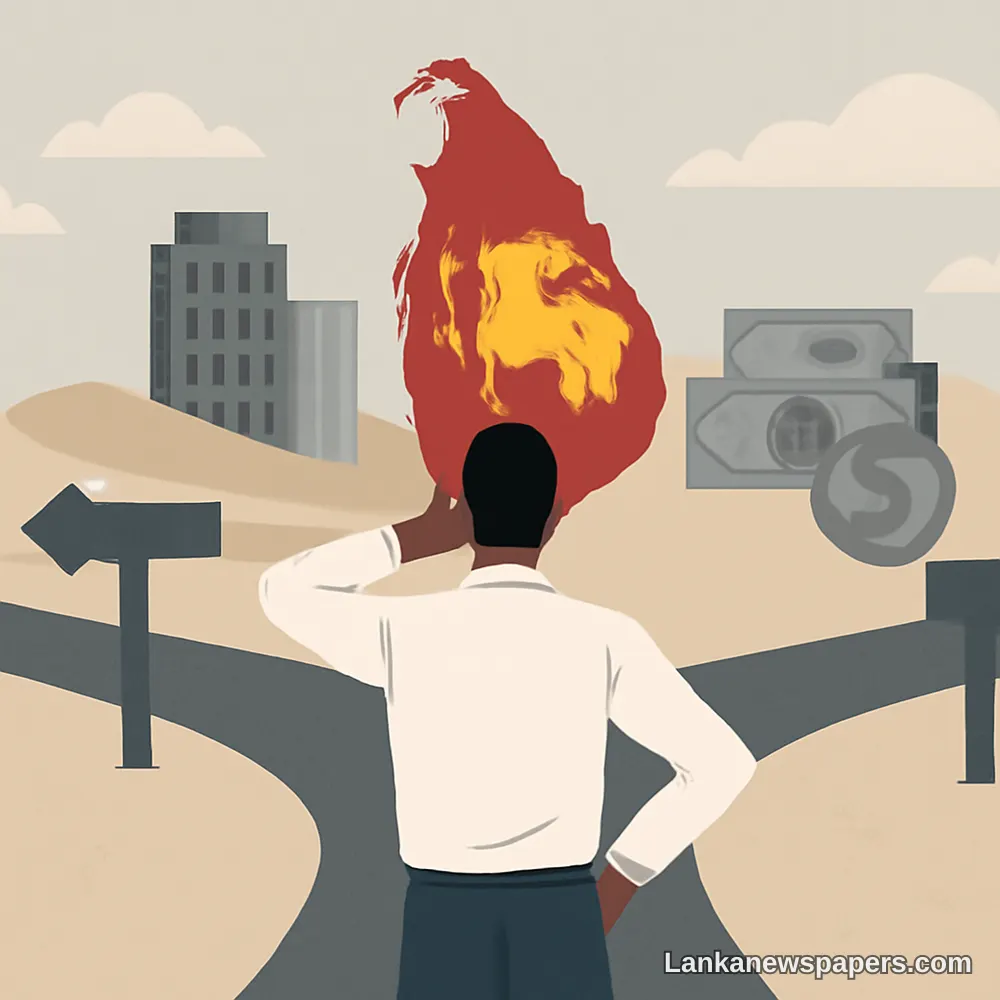
Sri Lanka finds itself navigating an uncertain path as questions mount over whether the island nation has become ensnared in a deepening political and financial quagmire — one that threatens to undermine the fragile progress made following its historic economic crisis.
A Nation Still Finding Its Footing
Despite emerging from its worst-ever economic collapse in recent years, Sri Lanka continues to grapple with structural challenges that have left both policymakers and ordinary citizens questioning the country's long-term stability. The road to recovery, many analysts argue, remains riddled with obstacles that no single administration has yet been able to fully overcome.
Political tensions continue to simmer beneath the surface, with competing interests among major parties making consensus on critical reform agendas increasingly difficult to achieve. Coalition dynamics, shifting alliances, and the pressure of upcoming electoral cycles have added further complexity to an already volatile governance landscape.
Financial Pressures Refuse to Ease
On the economic front, Sri Lanka's recovery narrative — while cautiously optimistic in tone — masks persistent vulnerabilities. The country remains under the watchful eye of the International Monetary Fund as it works through a structured bailout programme, with fiscal discipline and revenue generation being key benchmarks that must be met to maintain credibility with international creditors.
Rising cost-of-living pressures continue to weigh heavily on Sri Lankan households, with many families still struggling to absorb the consequences of the rupee's depreciation, elevated inflation, and reduced purchasing power accumulated during the crisis years. Business confidence, though recovering in pockets, has yet to reach the levels needed to drive meaningful job creation and investment.
Political Will Under Scrutiny
Critics have pointed to what they describe as a lack of decisive political leadership as a central factor in the country's inability to break free from its current stalemate. Key structural reforms — including state-owned enterprise restructuring, tax policy overhauls, and anti-corruption measures — have moved at a pace that many economists and civil society groups consider far too slow.
- Delays in implementing promised governance reforms have eroded public trust
- Debt restructuring negotiations continue to demand careful political management
- Social welfare programmes face funding pressures amid tight fiscal constraints
- Foreign direct investment remains below the levels required for sustained growth
The Path Forward
For Sri Lanka to escape what some are characterising as a quagmire, observers stress that both political cohesion and financial prudence must work in tandem. Half-measures and short-term political calculations, they warn, will only deepen the country's vulnerabilities rather than resolve them.
The central question facing Sri Lanka today is not simply whether it can repay its debts, but whether it possesses the political maturity to implement the reforms necessary to ensure it never finds itself in this position again.
As Sri Lanka looks ahead, the burden falls on its leadership to demonstrate that the lessons of the economic crisis have been genuinely absorbed — and that the nation is capable of charting a course toward lasting stability, rather than remaining caught between the twin pressures of political dysfunction and financial fragility.


💬 Join the Discussion 4
See what readers are saying — and add your view.
honestly give the new goverment some time la, cant fix overnight
quagmire? we been stuck since 2022 bro wake up
same politicians, same problems, nothing new here
exactly, they just change the face but system is same