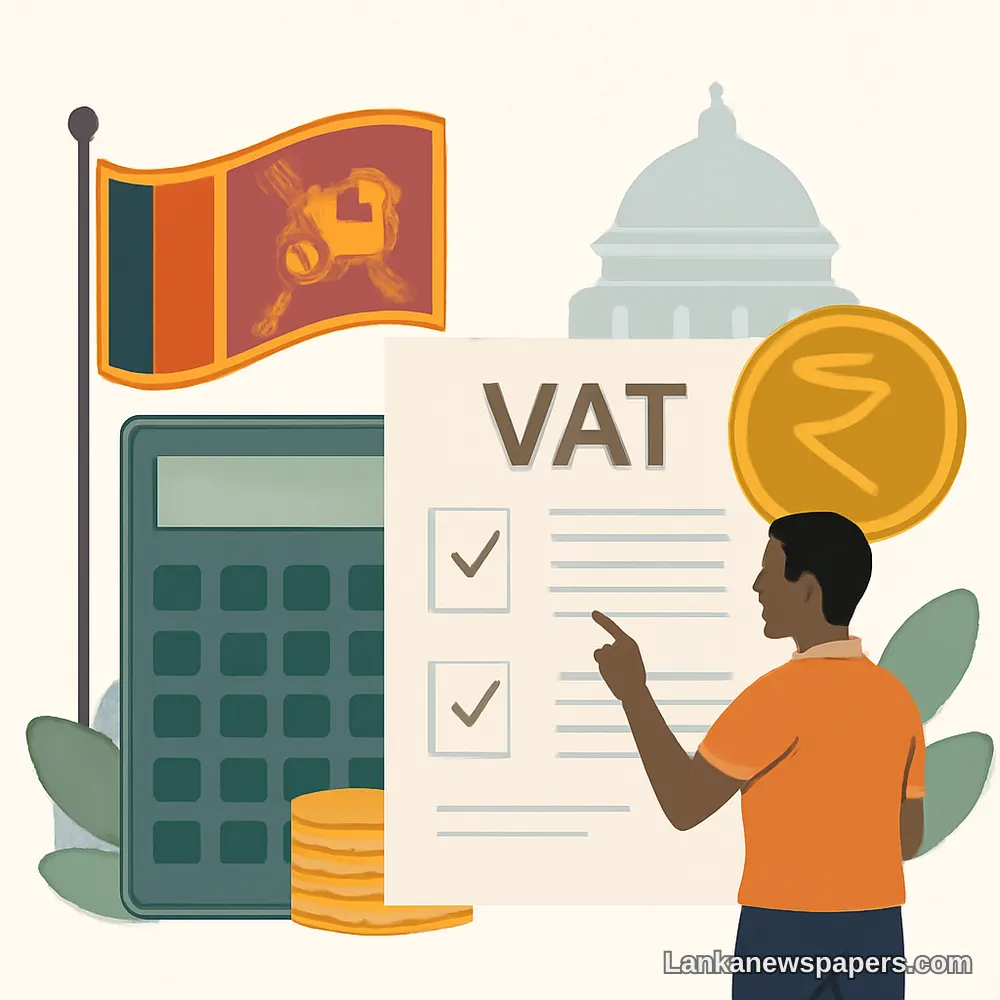
A Landmark Shift in Sri Lanka's Tax Framework
Sri Lanka has introduced sweeping amendments to its Value Added Tax (VAT) legislation, marking one of the most significant overhauls of the country's indirect tax system in recent years. The changes are expected to affect businesses, consumers, and government revenue collection alike, as authorities seek to broaden the tax base and improve fiscal discipline.
The Nine Key Changes at a Glance
Here is a breakdown of the most important reforms introduced under the new VAT law:
- Revised VAT Rate: The standard VAT rate has been adjusted as part of the government's broader revenue-enhancement strategy, directly impacting the pricing of goods and services across sectors.
- Expanded Tax Base: A wider range of goods and services have been brought under the VAT net, reducing the number of exemptions that previously allowed many transactions to escape taxation.
- Threshold Adjustments: The registration threshold for businesses has been revised, meaning more enterprises will now be required to register for VAT and comply with filing obligations.
- Digital Services Taxation: Foreign entities providing digital services to Sri Lankan consumers are now subject to VAT obligations, reflecting the growing importance of the digital economy.
- Input Tax Credit Reforms: Rules governing input tax credits have been tightened, with clearer guidelines on what businesses can and cannot claim as offsets against their VAT liability.
- Simplified Filing Procedures: The new law introduces streamlined processes for VAT return submissions, aimed at reducing the administrative burden on compliant taxpayers.
- Penalties and Enforcement: Stricter penalties have been introduced for non-compliance, late filing, and tax evasion, signalling a firmer stance by the Inland Revenue Department.
- Sector-Specific Provisions: Certain industries, including healthcare and education, have been subject to revised exemption criteria, altering their previous VAT treatment.
- Transition Arrangements: Provisions have been included to manage the transition for businesses currently operating under the old framework, providing a defined window for adjustment and compliance.
Why These Changes Matter
Sri Lanka's tax reforms come at a critical juncture, as the country continues its economic recovery journey following the severe financial crisis of recent years. The International Monetary Fund (IMF), which is supporting Sri Lanka through a bailout programme, has consistently urged Colombo to raise tax revenues to sustainable levels as a core condition of continued financial assistance.
The new VAT framework is widely seen as a direct response to those demands, with the government under pressure to demonstrate fiscal credibility both domestically and to international creditors.
Impact on Businesses and Consumers
Industry groups have expressed mixed reactions to the changes. While some welcome the greater clarity and simplified procedures, others have raised concerns about the expanded tax base and higher compliance costs for small and medium-sized enterprises. Consumers, meanwhile, may feel the impact through price adjustments on previously exempt goods and services.
Tax professionals are advising businesses to conduct immediate reviews of their VAT positions to ensure full compliance with the new requirements and to avoid exposure to the enhanced penalty regime.
Looking Ahead
The Inland Revenue Department is expected to issue further guidance and circulars to help taxpayers navigate the transition. Businesses operating across multiple sectors are being urged to seek professional advice to fully understand how the new provisions apply to their specific circumstances.
As Sri Lanka works to rebuild economic stability, the success of these VAT reforms will be closely watched as a key indicator of the country's ability to strengthen its public finances and meet its revenue targets in the years ahead.


💬 Join the Discussion 1
See what readers are saying — and add your view.
nine changes means nine more ways to take our money no?