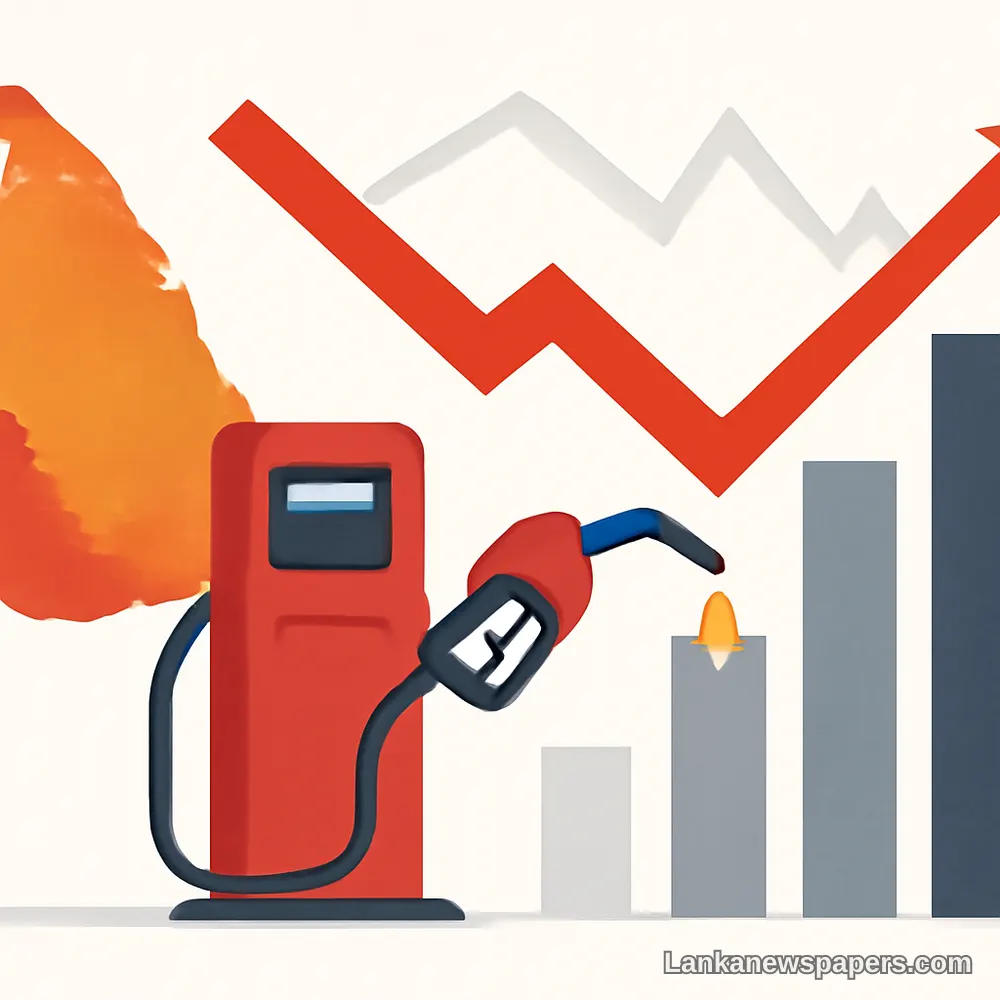
Sri Lanka has moved to reduce fuel prices in a bid to ease the burden on consumers and businesses, even as the country grapples with inflation climbing to its highest point in three years — a development that signals continuing economic pressures on the island nation.
Fuel Price Relief for Consumers
Authorities announced a downward revision in fuel prices, offering some respite to motorists, transport operators, and industries that have been struggling under the weight of elevated energy costs. The reduction is expected to have a ripple effect across several sectors of the economy, potentially lowering the cost of transportation and goods distribution in the short term.
The move comes as part of ongoing efforts by the government to stabilise living conditions for ordinary Sri Lankans, many of whom are still recovering from the devastating economic crisis that gripped the country in recent years.
Inflation Reaches Three-Year Peak
Despite the fuel price cut, broader economic indicators paint a more concerning picture. Inflation has risen to its highest level in three years, raising fresh questions about the sustainability of Sri Lanka's economic recovery and the effectiveness of current monetary and fiscal policies.
Rising prices across food, household goods, and services have placed renewed strain on consumers, particularly lower-income households that spend a larger proportion of their earnings on essential items.
A Delicate Balancing Act
Economists and policy observers note that the simultaneous occurrence of a fuel price reduction and surging inflation reflects the complex and often contradictory pressures facing Sri Lanka's economy at this stage of its recovery. While price cuts at the pump are a welcome short-term measure, underlying inflationary forces could quickly erode those gains.
- Fuel prices have been revised downward, providing immediate relief to consumers and transport sectors.
- Inflation has reached a three-year high, indicating persistent cost-of-living pressures.
- The dual developments highlight the fragile nature of Sri Lanka's ongoing economic stabilisation.
Sri Lanka continues to work within the framework of its International Monetary Fund recovery programme, which imposes fiscal discipline requirements while the country seeks to rebuild its foreign reserves and restore macroeconomic stability. How the government navigates the tension between supporting growth and controlling inflation will be closely watched in the months ahead.


💬 Join the Discussion 1
See what readers are saying — and add your view.
Fuel price cut but inflation highest in 3 years? Something doesnt add up.