Sri Lanka's Pursuit of Israeli Ties Goes Beyond the Kfir Fighter Jet, Analysts Say
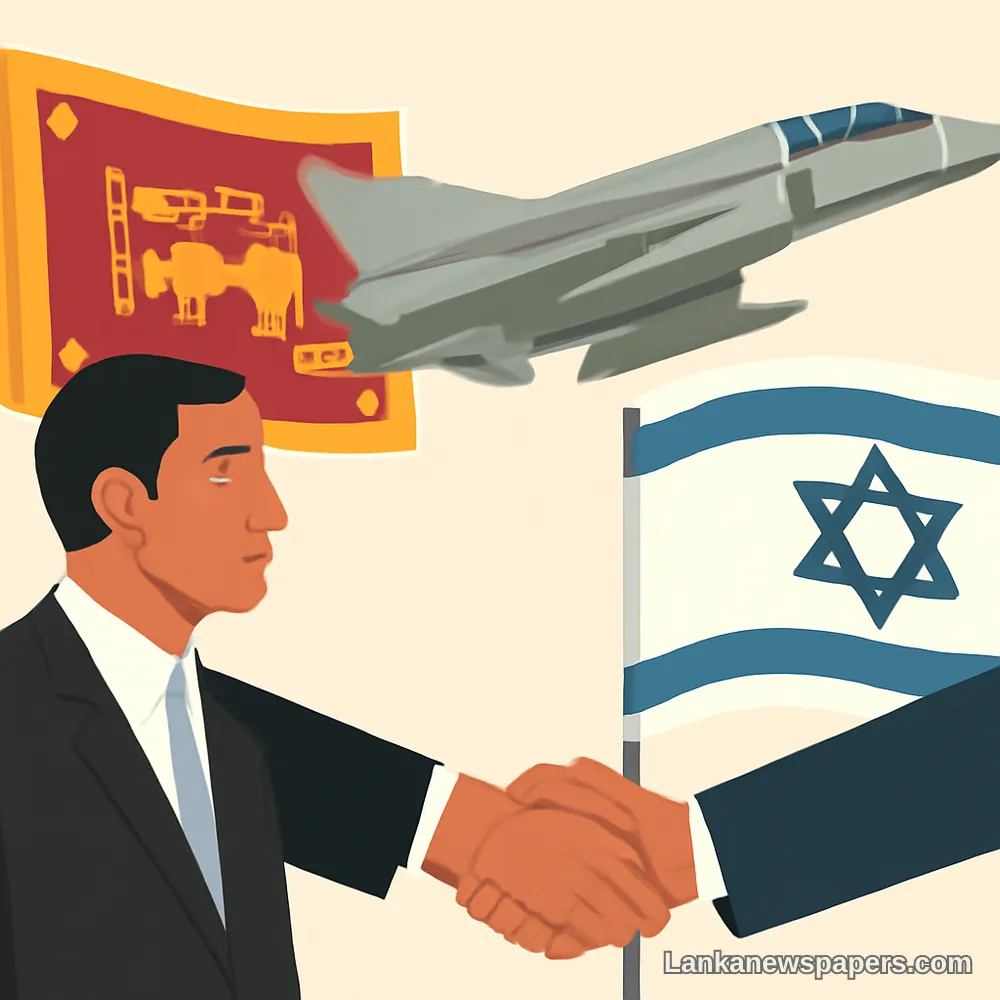
Sri Lanka's renewed interest in acquiring the IAI Kfir fighter jet from Israel has sparked debate among defence analysts and political observers, with many arguing that Colombo's strategic motivations extend well beyond the procurement of a single aircraft.
More Than a Military Transaction
While the Kfir — a decades-old Israeli-designed combat aircraft — has drawn attention as a potential addition to the Sri Lanka Air Force fleet, analysts suggest the real prize for Colombo lies in deepening its broader relationship with Israel. The Jewish state is widely regarded as a significant supplier of advanced military technology, intelligence systems, and defence expertise, all of which Sri Lanka has historically sought to bolster its security apparatus.
Sri Lanka and Israel share a long, if sometimes quietly maintained, defence relationship dating back to the decades of conflict with the Liberation Tigers of Tamil Eelam (LTTE). Israeli weapons systems, surveillance technology, and military advisory support played a notable role during that period, and Colombo has shown continued interest in sustaining those ties in the post-war era.
The Kfir as a Symbol
Defence observers note that the Kfir aircraft itself may serve as something of a symbolic centrepiece for a wider strategic partnership rather than a purely operational acquisition. The aircraft, while still capable, is considered aging by modern standards, leading some to question its military value compared to the diplomatic and commercial benefits that could accompany the broader bilateral relationship.
Sri Lanka's defence procurement decisions have often reflected geopolitical considerations as much as battlefield requirements. Engaging Israel through a high-profile purchase such as the Kfir could open doors to more sophisticated technology transfers, joint training arrangements, and access to Israel's renowned defence industry networks.
Regional and Diplomatic Implications
Any deepening of Sri Lanka-Israel defence ties is unlikely to go unnoticed in the region. Several of Sri Lanka's key partners and aid donors maintain complex relationships with Israel, and Colombo will need to carefully navigate the diplomatic sensitivities involved. The island nation has traditionally pursued a non-aligned foreign policy, balancing relationships with diverse global powers.
At the same time, Sri Lanka's Tamil diaspora and domestic Tamil political groups have expressed concern over the country's historical use of Israeli military technology, citing its deployment during the final stages of the civil war and the alleged civilian casualties that resulted.
A Strategic Calculation
Ultimately, analysts contend that Colombo's pursuit of the Kfir should be read as an opening move in a broader strategic calculation — one aimed at locking in long-term Israeli cooperation across defence, technology, and intelligence domains. For Sri Lanka's military planners, the relationship with Israel may prove far more valuable than any single weapons platform it provides.
Whether the government moves forward with the Kfir acquisition or not, the underlying message from Colombo appears clear: Israel remains a partner of strategic importance to Sri Lanka's defence establishment, and the island nation intends to keep that relationship firmly in place.



💬 Join the Discussion 4
See what readers are saying — and add your view.
Tamil Guardian saying this so obviously biased but the point still valid
what does Israel want from us though? nothing is free in geopolitics
goverment always finding ways to waste money on things we dont need
exactly, fix the roads first then talk about fighter jets