Sri Lanka's GSP+ Trade Privileges Under Threat Over Controversial PTA, Opposition Warns
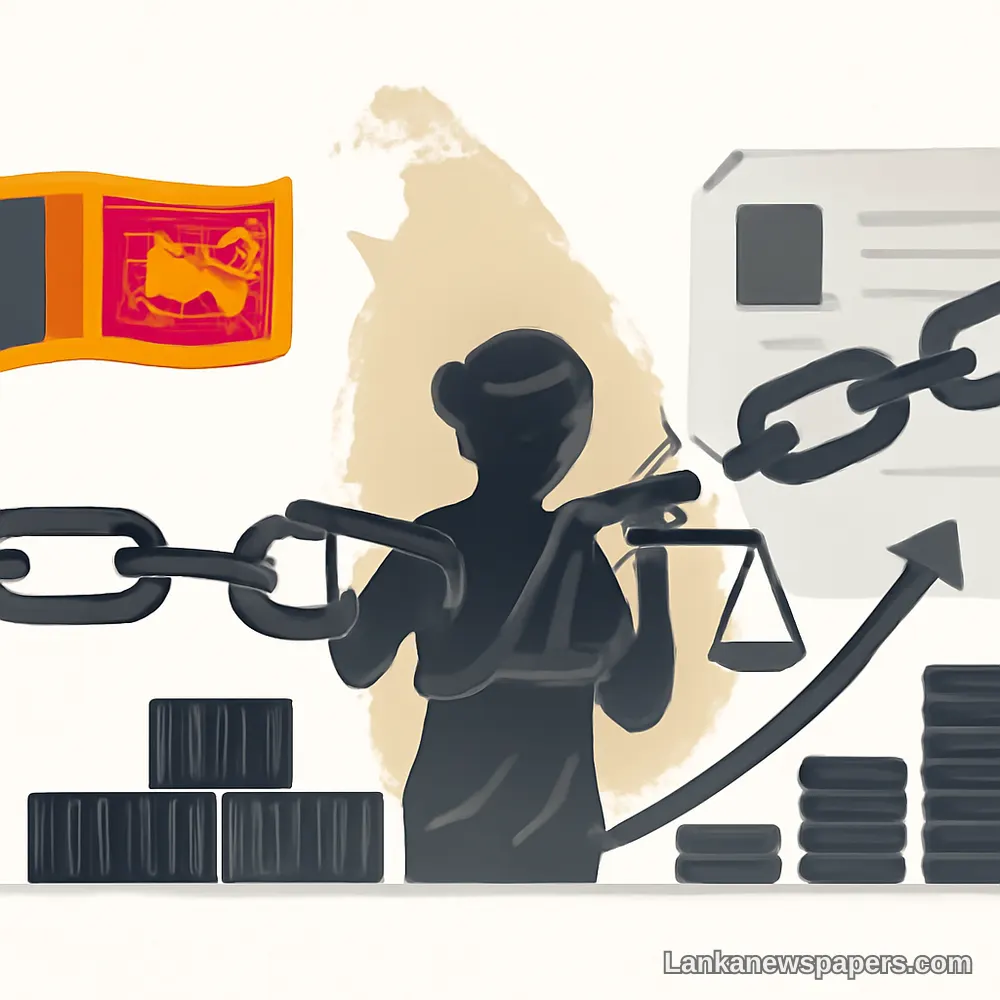
Sri Lanka's preferential access to European Union markets could be at serious risk if the government continues to maintain the Prevention of Terrorism Act (PTA) in its current form, opposition parliamentarians have cautioned, raising fresh concerns about the country's long-term trade prospects.
What Is at Stake
The Generalised Scheme of Preferences Plus, commonly known as GSP+, grants Sri Lankan exporters significantly reduced tariffs when selling goods to the European Union. The arrangement has been a vital economic lifeline for key Sri Lankan industries, particularly the garment and apparel sector, which employs hundreds of thousands of workers across the island.
Retaining this status requires Sri Lanka to demonstrate meaningful progress in upholding a range of international human rights and governance conventions. Critics argue that the PTA, widely condemned by rights groups as enabling arbitrary detention and abuse, represents a direct obstacle to meeting those benchmarks.
Opposition Raises the Alarm
Opposition politicians have warned that the government's continued reliance on the PTA puts Sri Lanka on a collision course with its European trading partners. They argue that repeated international calls to repeal or fundamentally reform the legislation have gone largely unanswered, creating growing unease among EU officials who periodically review GSP+ eligibility.
The PTA has long drawn criticism from human rights organisations, United Nations bodies, and foreign governments, who say it has been disproportionately used against Tamil and Muslim communities, allowing suspects to be held for extended periods without adequate judicial oversight.
Economic Consequences Could Be Severe
A withdrawal or suspension of GSP+ benefits would deliver a significant blow to Sri Lanka's export economy at a time when the country is still navigating the aftermath of its worst financial crisis in decades. The garment industry alone accounts for a substantial share of the nation's foreign exchange earnings, and any increase in tariffs on Sri Lankan goods entering European markets could render local manufacturers less competitive against regional rivals.
A Recurring Point of Contention
Sri Lanka previously lost its GSP+ status in 2010 following concerns over human rights violations, a setback that dealt considerable damage to the export sector before the country regained the concession in 2017 after undertaking a series of commitments to the EU.
Opposition voices are now urging the government to heed the lessons of that earlier loss and take concrete legislative steps to reform or replace the PTA before international patience runs out and trade consequences follow.
The government has yet to issue a formal public response to the latest opposition warnings regarding the potential impact on GSP+ eligibility.



💬 Join the Discussion 0
Be the first to share your view on this story.