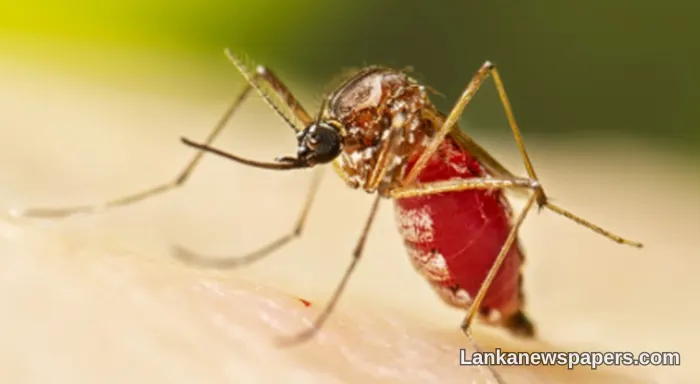
Sri Lanka's dengue fever outbreak has taken a serious turn, with the total number of reported cases surpassing 54,000 as the country continues to grapple with persistent rainy weather that is fuelling the rapid spread of the mosquito-borne disease.
Worsening Outbreak Amid Wet Weather
Health authorities have expressed growing concern as the ongoing rainfall across much of the island creates ideal breeding conditions for the Aedes aegypti mosquito, the primary carrier of the dengue virus. Stagnant water collecting in drains, containers, and low-lying areas has been identified as a key contributor to the escalating transmission rate.
The surge in cases places significant pressure on hospitals and healthcare workers across the country, with medical facilities in several districts reporting increased admissions of dengue patients, including children and elderly individuals who are particularly vulnerable to severe complications.
Public Urged to Take Preventive Action
Health officials are urging the public to take immediate and consistent precautions to reduce mosquito breeding grounds around their homes and workplaces. Key recommended measures include:
- Emptying and cleaning water-storage containers regularly
- Ensuring drains and gutters remain clear of blockages
- Using mosquito repellents and protective clothing
- Seeking medical attention promptly at the first sign of fever or dengue symptoms
- Reporting mosquito breeding sites to local authorities
A Recurring National Challenge
Dengue fever remains one of Sri Lanka's most persistent public health challenges, with outbreaks typically intensifying during and after monsoon seasons. The disease can progress rapidly to severe dengue, also known as dengue haemorrhagic fever, which can be life-threatening if not treated promptly.
Health authorities have stressed that community participation is essential in controlling the outbreak, noting that no single agency can effectively eliminate breeding sites without the active involvement of residents across all provinces.
With the rainy season showing little sign of easing in the near term, officials warn that case numbers could continue to rise unless urgent preventive measures are adopted at both the household and community levels. The public is encouraged to remain vigilant and cooperate fully with local health and municipal authorities conducting inspection and awareness campaigns.



💬 Join the Discussion 0
Be the first to share your view on this story.