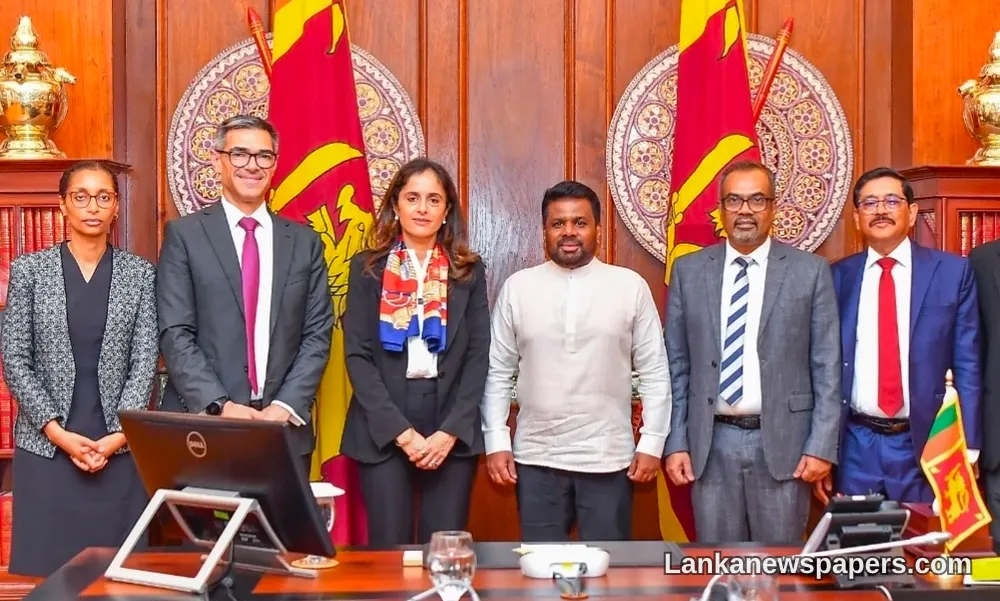
The International Monetary Fund (IMF) has indicated that Sri Lanka's ongoing economic reform programme has played a significant role in helping the island nation weather considerable external pressures, as the country continues its fragile but steady recovery from its worst financial crisis in decades.
The Washington-based lender's latest assessment points to meaningful progress made under the bailout arrangement, which has served as a critical lifeline for Sri Lanka since the country descended into economic turmoil in 2022, triggering widespread fuel shortages, power cuts, and a severe shortage of essential goods.
Reform Programme Bearing Fruit
Sri Lanka secured a nearly three billion US dollar rescue package from the IMF in 2023, with the funds disbursed in tranches contingent on the government meeting a series of fiscal and structural benchmarks. Officials say the discipline imposed by the programme has helped restore a degree of macroeconomic stability that seemed unimaginable just a few years ago.
Key indicators that have shown improvement include foreign exchange reserves, inflation, and the exchange rate — all of which had deteriorated sharply during the height of the crisis.
Challenges Remain
Despite the encouraging signs, the IMF has underscored that Sri Lanka's recovery remains vulnerable and that sustained commitment to reform is essential. Analysts warn that any backsliding on fiscal consolidation or structural adjustments could jeopardise the hard-won gains of the past two years.
- Continued fiscal discipline remains a core requirement for future tranche releases
- Debt restructuring negotiations with bilateral and commercial creditors must be concluded
- Revenue reforms, including improvements to tax collection, need to be maintained
- Social safety nets must be strengthened to protect the most vulnerable citizens
What Comes Next
The IMF has outlined that future disbursements under the programme will depend on Sri Lanka's ability to stay on track with agreed targets. Periodic reviews conducted by IMF staff serve as the mechanism through which progress is assessed and funds are unlocked.
Sri Lanka's reform programme has demonstrated resilience in the face of global headwinds, but the work ahead is no less demanding than the challenges already overcome.
For ordinary Sri Lankans, the stakes could not be higher. While economic indicators have stabilised at the macro level, the cost of living remains a pressing concern for millions of households still feeling the aftershocks of the crisis. The government faces the delicate task of maintaining IMF-mandated fiscal targets while also addressing the social and economic needs of its citizens.
As Sri Lanka looks ahead, its continued engagement with the IMF programme is widely regarded as essential not only for securing further financial support but also for rebuilding the confidence of international investors and development partners whose backing will be crucial to any durable recovery.

💬 Join the Discussion 3
See what readers are saying — and add your view.
at least economy didnt fully collapse, goverment did something right for once
on paper sounds good but ppl on the ground still struggling no
exactly, supermarket prices still mad high bro