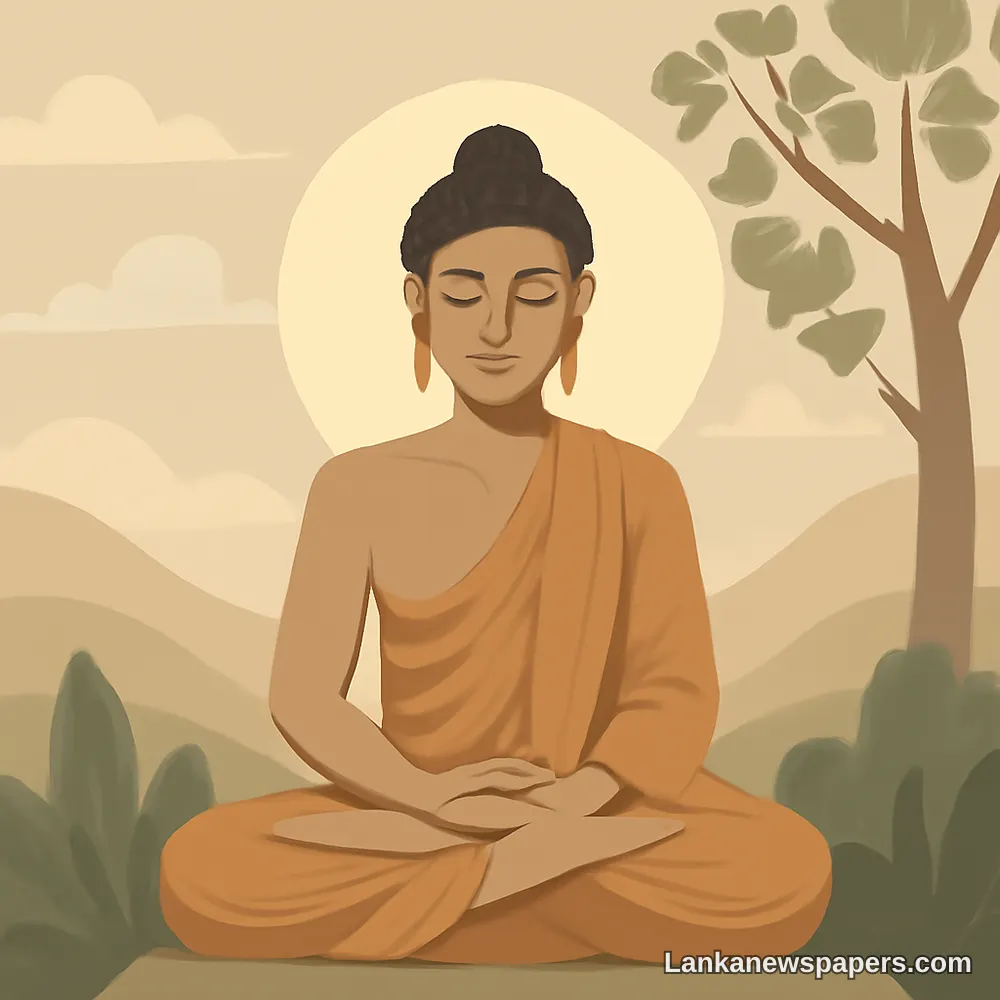
Buddhism stands as one of humanity's most enduring philosophical and moral traditions, offering a comprehensive framework for understanding the nature of existence and charting a course toward the cessation of suffering. At the very heart of this ancient wisdom lies a concept that invites practitioners to look beyond surface appearances and perceive reality as it truly is — the Three Marks of Existence.
A Framework Rooted in Truth
The Three Marks of Existence form a foundational pillar of Buddhist thought, providing a lens through which individuals can examine the world around them and their own inner lives with greater clarity and honesty. Rather than viewing life through the distortions of desire, attachment, or illusion, Buddhist teaching encourages a direct and unflinching engagement with the true nature of all phenomena.
The Journey Toward Enlightenment
Buddhism does not merely present a set of abstract philosophical ideas. It offers a practical path — a lived experience of inquiry and discipline aimed at genuine transformation. Understanding reality accurately is not an intellectual exercise alone; it is considered an essential step on the road to liberation from suffering.
- Recognising the impermanent nature of all things
- Acknowledging the unsatisfactory quality inherent in conditioned existence
- Perceiving the absence of a fixed, unchanging self
Buddhism teaches that suffering arises not from the world itself, but from our misperception of it — and that wisdom begins the moment we see things as they truly are.
Relevance for a Sri Lankan Audience
For Sri Lanka, a nation with Buddhism woven deeply into its cultural and national identity, these teachings carry particular resonance. The Theravada Buddhist tradition, which predominates across the island, places special emphasis on the direct study and contemplation of the Dhamma as a means of personal and communal wellbeing.
As modern life grows increasingly complex and distraction-filled, the timeless call of Buddhist philosophy to pause, reflect, and see clearly remains as urgent and meaningful as ever — both for individuals seeking inner peace and for communities striving toward harmony and understanding.


💬 Join the Discussion 3
See what readers are saying — and add your view.
good article. more of this kind of content please instead of politics nonsense
anicca dukkha anatta. we learned this in school no. nothing new here.
yes but how many ppl actually live by it that is the question