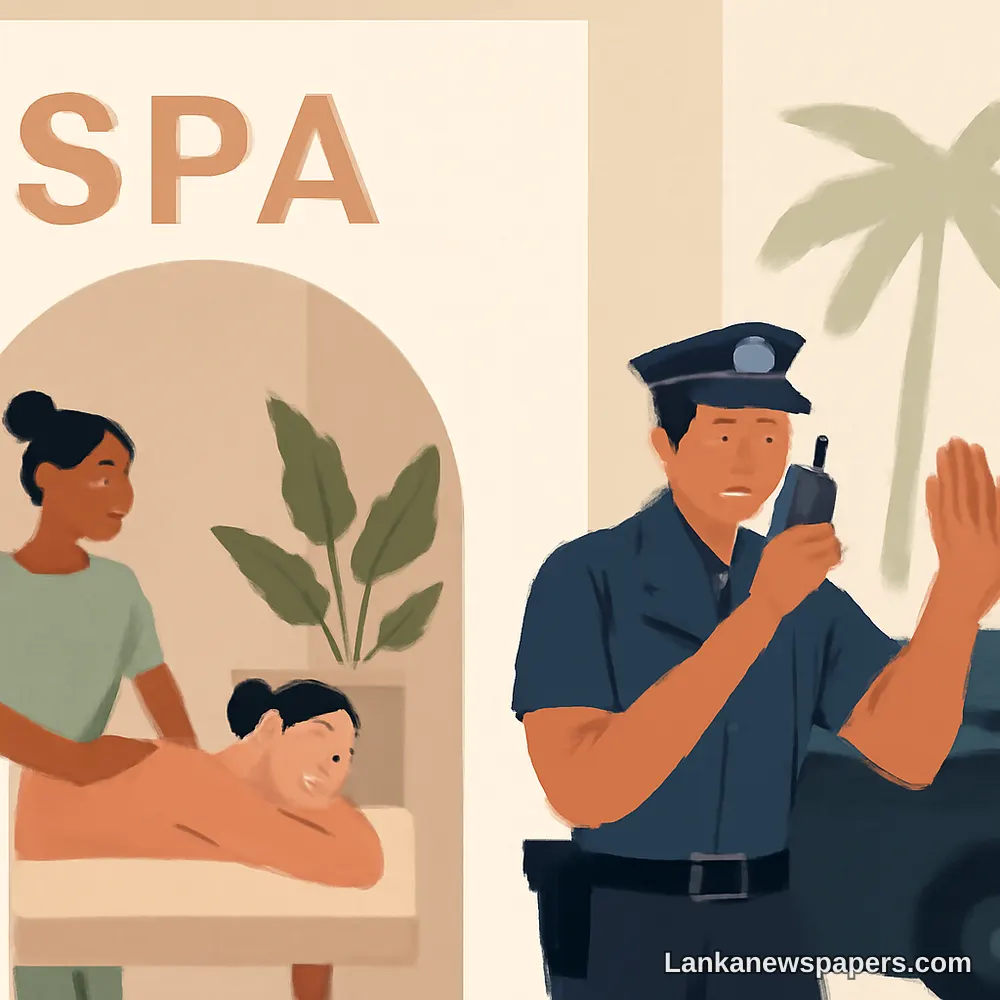
An Industry Under Pressure
Sri Lanka's spa and wellness industry is facing growing scrutiny, but operators and advocates argue that what the sector truly needs is a clear legal framework — not the heavy-handed police raids that have increasingly disrupted legitimate businesses across the country.
Raids Without a Regulatory Foundation
In recent months, law enforcement authorities have conducted a series of raids on spa establishments, targeting premises suspected of operating outside the boundaries of the law. However, critics point out a fundamental problem: there is currently no comprehensive legislation specifically governing the spa industry in Sri Lanka, making it difficult to distinguish between lawful wellness businesses and establishments engaged in illicit activity.
Without a proper regulatory structure in place, legitimate spa owners argue they are being unfairly caught in the crossfire, with their businesses suffering reputational and financial damage as a result of indiscriminate enforcement actions.
The Case for Legislation
Industry stakeholders are urging the government to prioritise the drafting and enactment of laws that would formally define, license, and regulate spa and wellness businesses operating in Sri Lanka. Such legislation, they say, would establish clear standards for operators, protect workers within the industry, and provide law enforcement with a proper legal basis on which to act against genuinely illegal enterprises.
A well-regulated spa industry would not only protect consumers and workers but also contribute meaningfully to Sri Lanka's tourism and wellness economy.
Balancing Enforcement and Economic Value
The spa and wellness sector forms a notable part of Sri Lanka's tourism-related economy, attracting both local clientele and foreign visitors seeking therapeutic and relaxation services. Advocates warn that continued unregulated raids risk undermining investor confidence and damaging the country's reputation as a wellness destination.
Rather than relying solely on enforcement operations that lack a firm legal foundation, stakeholders are calling on relevant government ministries to engage with industry representatives and develop a regulatory regime that is fair, transparent, and enforceable.
A Path Forward
The broader consensus emerging from within the industry is clear: raids alone will not solve the problem. What is needed is a structured, legislative approach that separates legitimate wellness businesses from those operating unlawfully, ensuring accountability on all sides while allowing a valuable sector of the Sri Lankan economy to function with confidence and clarity.



💬 Join the Discussion 3
See what readers are saying — and add your view.
how do we know which spas are legitimate tho. thats the real question
finally someone said it. raids wont solve anything without proper law first
exactly. but goverment will just ignore and carry on raiding