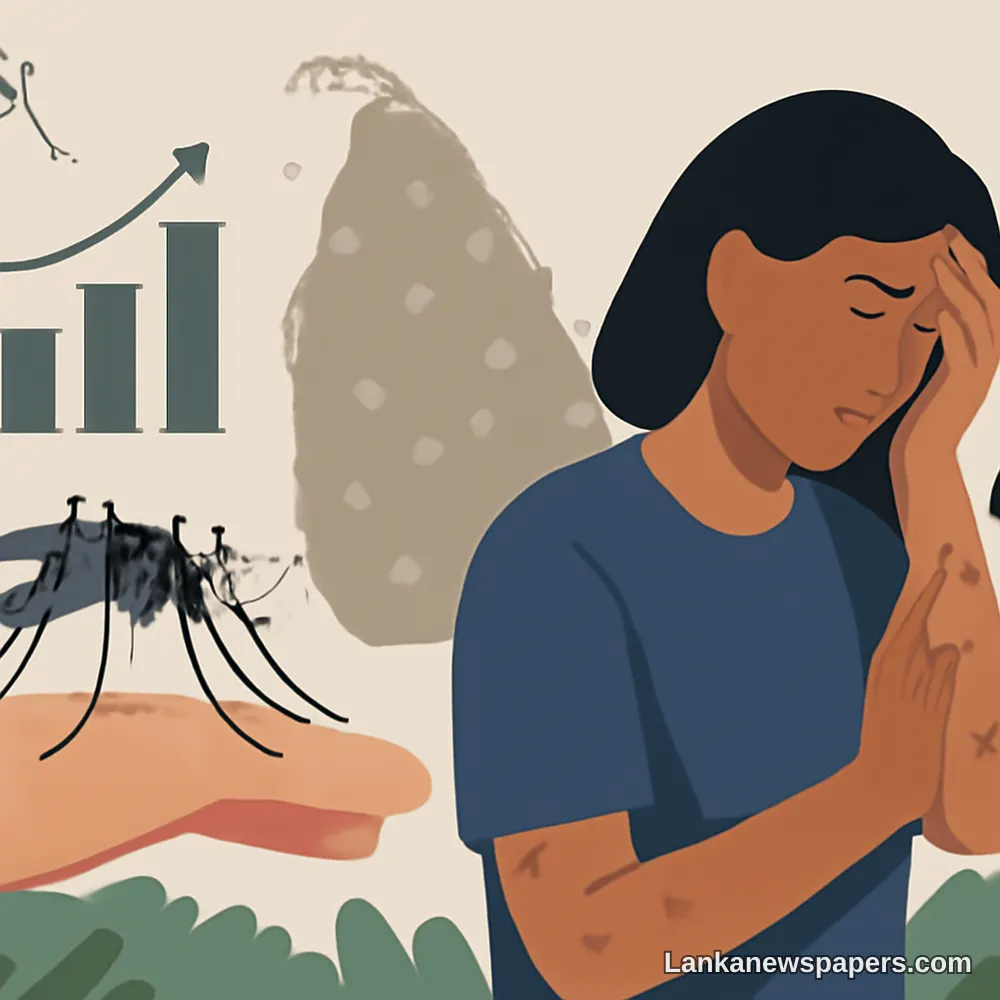
Island Nation Battles Mounting Dengue Burden
Sri Lanka is grappling with a worsening dengue situation as the country's cumulative case count has climbed past the 52,000 mark, raising fresh concerns among health authorities and public health experts about the trajectory of the outbreak.
A Growing Public Health Emergency
The latest figures represent a significant caseload for the island nation, which has historically experienced seasonal surges in dengue fever driven by monsoon rains and the proliferation of mosquito breeding sites in both urban and rural areas. The Aedes aegypti mosquito, the primary vector responsible for transmitting the dengue virus, thrives in stagnant water — a common byproduct of heavy rainfall.
Health officials have long warned that densely populated cities such as Colombo, Gampaha, and Kandy remain particularly vulnerable to rapid transmission, given the concentration of potential breeding grounds in construction sites, discarded containers, and poorly maintained drainage systems.
What the Public Should Know
Dengue fever typically presents with a sudden high fever, severe headaches, pain behind the eyes, muscle and joint pain, nausea, and a skin rash. In more serious cases, the illness can progress to dengue haemorrhagic fever, which can be life-threatening if not treated promptly. Residents are urged to seek medical attention immediately upon experiencing symptoms.
Key preventive measures recommended by health authorities include:
- Eliminating stagnant water around homes and workplaces where mosquitoes can breed
- Using mosquito repellents and wearing protective clothing, particularly during early morning and evening hours
- Ensuring water storage containers are tightly covered at all times
- Reporting potential mosquito breeding sites to local public health inspectors
- Seeking early medical care at the first sign of fever
Community Action Is Critical
Dengue prevention is not solely the responsibility of health authorities — it requires active participation from every household and community across the country.
Public health inspectors have been conducting awareness campaigns and inspection drives across affected districts, but experts emphasise that sustained community involvement remains the most effective weapon against the spread of the disease.
As the case total continues to rise, health authorities are calling on all Sri Lankans to remain vigilant, take preventive action seriously, and support national efforts to bring the outbreak under control before the situation deteriorates further.



💬 Join the Discussion 3
See what readers are saying — and add your view.
clean your drains people, dont wait for authorities to do it
52,000 and goverment still acting like nothing is happening
exactly, they only talk during election time no