Sri Lanka Deploys Drones in Battle Against Dengue as Cases Climb Dangerously High
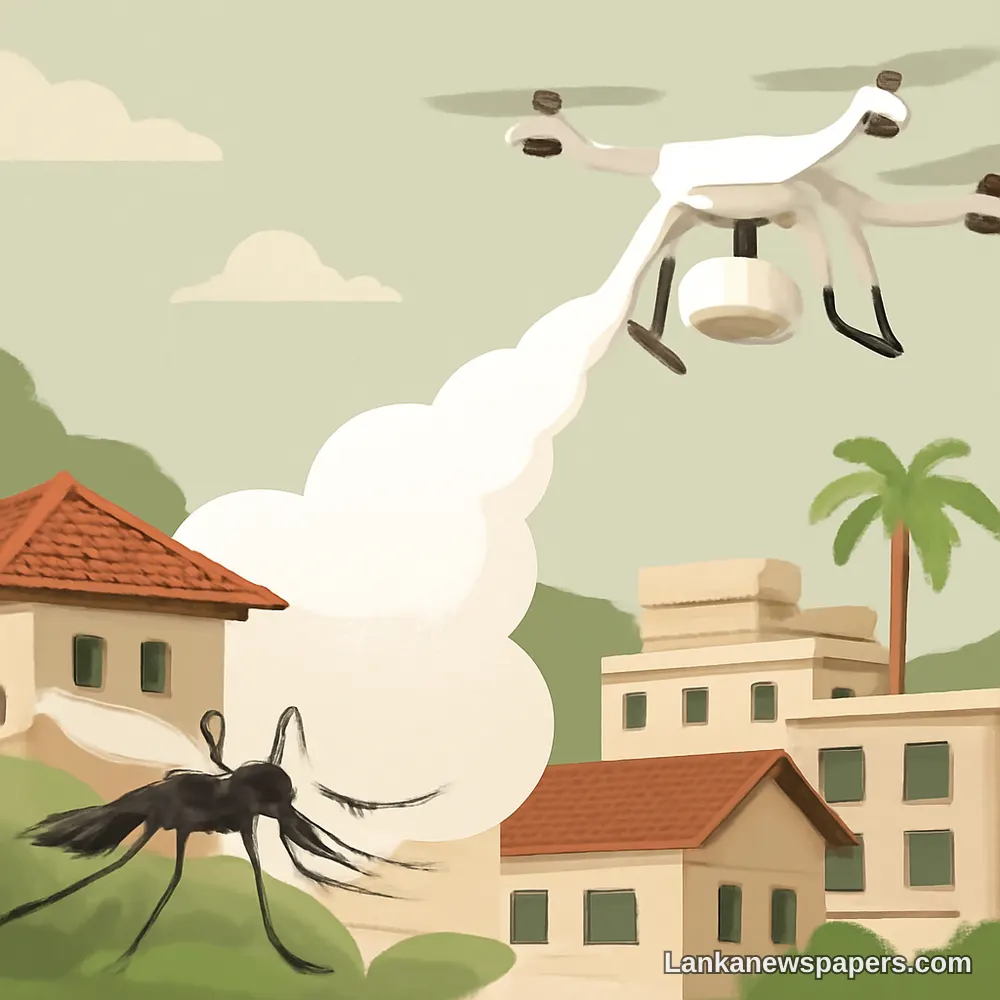
Sri Lanka has turned to drone technology in its fight against a worsening dengue fever outbreak, deploying unmanned aerial vehicles to combat the mosquito populations driving a sharp rise in cases across the island.
A High-Tech Response to a Growing Public Health Crisis
As dengue fever continues to surge across Sri Lanka, health authorities have embraced an unconventional weapon in their arsenal — drones. The unmanned aircraft are being used to target mosquito breeding grounds, marking a significant shift in how the country is approaching vector control in the face of a mounting public health emergency.
The move reflects growing urgency among officials who are under pressure to contain the spread of the mosquito-borne illness, which has long been a seasonal burden on Sri Lanka's healthcare system but has recently shown alarming signs of escalation.
Why Dengue Remains a Persistent Threat
Dengue fever, transmitted primarily through the bite of the Aedes aegypti mosquito, thrives in Sri Lanka's tropical climate. Stagnant water in urban and semi-urban areas provides ideal breeding conditions, making traditional ground-level fogging and larval control efforts difficult to sustain at scale.
Drones offer a distinct advantage in this regard, allowing authorities to cover large and hard-to-reach areas far more efficiently than conventional methods. The aircraft can be used to spray larvicides or identify water pooling in locations that ground teams may struggle to access.
Broader Implications for Public Health Strategy
The adoption of drone technology signals a broader willingness within Sri Lanka's public health sector to invest in modern solutions to age-old problems. Experts have long argued that fighting dengue requires innovation, particularly as climate patterns shift and mosquito populations adapt.
- Drones can cover terrain that is inaccessible to ground-based teams
- Aerial spraying allows for more precise and widespread application of mosquito control agents
- Real-time monitoring capabilities can help identify new breeding hotspots quickly
Public health officials are urging Sri Lankan residents not to rely solely on government interventions, emphasising that community participation remains critical. Households are being reminded to empty standing water from containers, flowerpots, and gutters — common breeding sites for the Aedes mosquito.
A Nation on Alert
With dengue cases continuing to rise, Sri Lanka's health authorities are calling for heightened vigilance at both the institutional and community levels. The integration of drone technology into the national response is being watched closely, both domestically and internationally, as a potential model for other tropical nations grappling with similar vector-borne disease burdens.
For now, the priority remains clear — bring the outbreak under control before the situation deteriorates further, and protect communities across the island from a disease that, while preventable, continues to claim lives every year.



💬 Join the Discussion 0
Be the first to share your view on this story.